
Best Luxury Safari Lodges in Tanzania
- September 23, 2026
- Accomodations, For Travelers, Safari Planning
Best Luxury Safari Lodges in Tanzania: Where to Stay for an Exceptional Safari Choosing where to stay can completely change the way... Read More
 by Safari Lala
A 5-day safari from Zanzibar is a great way to combine a beach holiday with Tanzania’s incredible wildlife. You can leave the Indian Ocean behind in the morning and be on safari in the mainland by the afternoon.
You do not need to spend a full day travelling to Arusha before starting your safari. Domestic flights connect Zanzibar with several safari destinations, making it possible to build a five-day itinerary around your available time.
For a 5-day trip, the best approach is to focus on a small number of parks. Trying to visit too many destinations can make the safari feel rushed.
A route through Tarangire, Ngorongoro and Serengeti gives you a classic Northern Tanzania experience. If you prefer less driving, you can fly from Zanzibar directly towards the Serengeti and spend more time inside the park.
A well-planned safari can look like this.
Day 1: Zanzibar to Arusha and Tarangire National Park
Day 2: Tarangire to Ngorongoro
Day 3: Ngorongoro Crater to Serengeti
Day 4: Full-day Serengeti safari
Day 5: Serengeti to Zanzibar
This route gives you a taste of three major safari destinations.
However, there is another option.
You can fly from Zanzibar directly to the Serengeti and spend more time in the park. This reduces driving but usually increases the overall cost.
The right choice depends on whether you prioritize budget, convenience or maximum safari time.
Yes.
Zanzibar is well connected to Tanzania’s mainland through domestic flights. Several airlines operate routes between the islands and safari destinations.
This makes a safari extension from Zanzibar relatively easy to arrange.
You can spend several days relaxing on the beach and then add a 3, 4 or 5-day safari before returning to Zanzibar.
For travellers already staying in Zanzibar, this can be more convenient than travelling back to their international departure point and starting a separate safari.
Your safari begins in Zanzibar.
An early morning domestic flight takes you towards mainland Tanzania. Depending on the flight schedule, you can connect through Arusha or fly towards an airport serving your safari route.
Once you meet your safari guide, you continue towards Tarangire National Park.
Tarangire is one of the best parks to include in a short safari.
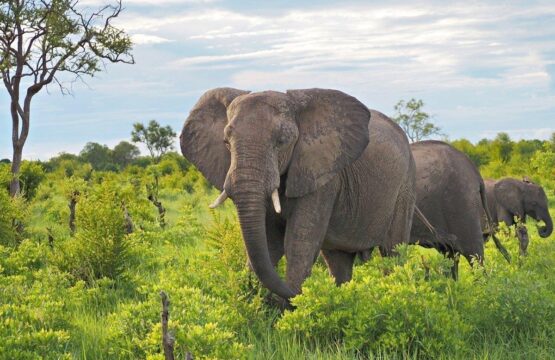
The park is famous for its large elephant population and enormous baobab trees. During the dry season, wildlife gathers around the Tarangire River and other water sources.
Your first game drive can begin in the afternoon.
You may see elephants, giraffes, zebras, buffalo and many species of antelope. Lions are also present, and with a good guide you may encounter predators during the drive.
After the game drive, you head to your lodge or safari camp.
The first night is spent around Tarangire.
Wake up early and enjoy breakfast before beginning your journey towards the Ngorongoro Conservation Area.
The distance between Tarangire and Ngorongoro depends on your exact accommodation and route, but the drive generally takes several hours.
The journey is part of the experience.
As you leave Tarangire, the landscape gradually changes. Farmland and villages give way to the highlands surrounding Ngorongoro.
You can arrive at your accommodation in the afternoon.
If you stay on or near the crater rim, you may have your first view of the enormous caldera from above.
Ngorongoro sits at a high elevation, so temperatures can be noticeably cooler than Zanzibar or the lower-lying safari parks.
Bring a warm layer for the evening.
Day three begins with one of the highlights of the trip.
You descend into the Ngorongoro Crater for a morning game drive.
The crater is approximately 20 kilometres wide and covers around 260 square kilometres. Its enclosed environment supports a high concentration of wildlife.
You may see lions, buffalo, zebras, wildebeest and hippos.
Ngorongoro is also an important habitat for the endangered black rhinoceros. A sighting is never guaranteed, but the crater provides one of Tanzania’s better opportunities to see this rare animal.
After your crater game drive, you ascend and continue towards Serengeti National Park.
The journey can take several hours, but wildlife can still appear along the way.
By late afternoon or evening, you arrive at your Serengeti accommodation.
The atmosphere changes completely.
The open plains stretch towards the horizon, and the sounds of the wilderness become part of the evening.
Day four is dedicated to the Serengeti.
An early start gives you the best opportunity to see wildlife while temperatures are cooler.
The Serengeti covers approximately 14,750 square kilometres, so one day cannot cover the entire park.
Your guide will choose the best area based on the season, recent sightings and your interests.
You may spend time searching for lions, leopards and cheetahs. Elephants and buffalo can also be encountered, while large herds of wildebeest and zebras are common in many areas.
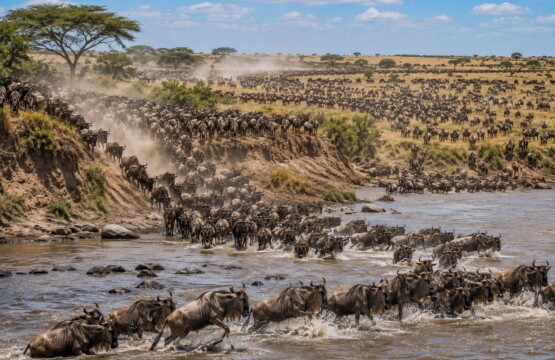
If you travel during the Great Migration, the location of the herds will influence your route.
The migration moves through different parts of the ecosystem during the year.
This is why choosing the right Serengeti area is important.
You return to your camp later in the afternoon.
After dinner, enjoy your final night in the Serengeti.
Your final safari morning can begin with an early game drive.
This is often a rewarding time to be in the park because animals are active and the morning light creates excellent conditions for photography.
After breakfast, you head towards the appropriate Serengeti airstrip for your flight to Zanzibar.
Flight time depends on the route and stops, but flying is considerably faster than returning to Arusha by road.
Once you arrive in Zanzibar, your safari adventure ends.
You can continue your beach holiday or prepare for your international departure.
A 5-day safari from Zanzibar can vary significantly in price.
As a general planning range, a budget or shared safari may cost around US$1,200–$1,800 per person.
A mid-range private safari can cost approximately US$1,800–$3,000 per person.
A luxury safari can reach US$3,500–$6,000+ per person, particularly when premium camps, private vehicles and flights are included.
These are approximate figures.
The final price depends on your travel dates, accommodation, group size, flights, park fees and safari style.
The cost can also be higher when flying directly between Zanzibar and the Serengeti because domestic air transfers add to the package.
A safari package will usually include accommodation, meals, game drives, a safari vehicle and a professional guide.
Park and conservation fees are generally included in organized safari packages.
Domestic flights may or may not be included.
This is important when comparing prices.
A package that appears cheaper may exclude flights, transfers or park fees.
Always check the inclusions before booking.
International flights to Tanzania are normally not included.
Travel insurance, drinks, tips and personal expenses are also usually separate.
Five days is enough for a good safari, but the itinerary needs to be carefully planned.
You should avoid trying to visit too many parks.
A route through Tarangire, Ngorongoro and Serengeti provides variety, but it also involves several long driving days.
If you want a more relaxed experience, flying directly from Zanzibar to the Serengeti can be a better choice.
You will spend less time on the road and more time watching wildlife.
For couples or honeymooners, this can be particularly appealing.
Flying is the most convenient way to connect Zanzibar with the Serengeti.
The journey is much faster than travelling overland through mainland Tanzania.
Depending on the flight schedule, you may have a direct flight or a route with one or more stops.
Your safari operator can arrange the flight together with your transfers and accommodation.
This is particularly useful when you have only five days.
Every hour saved on transportation gives you more time for game drives.
If you want a more affordable safari, travelling through the Northern Circuit by road can make sense.
You can fly from Zanzibar to mainland Tanzania before continuing to Tarangire.
From Tarangire, the safari continues towards Ngorongoro and then Serengeti.
This route offers more variety.
Tarangire gives you elephants and baobab landscapes.
Ngorongoro gives you the crater and concentrated wildlife.
Serengeti gives you vast plains and major predator sightings.
The disadvantage is that you spend more time travelling between destinations.
Tanzania is a year-round safari destination.
The dry season, particularly from around June to October, is popular because wildlife can be easier to spot.
The vegetation is generally thinner, and animals often gather around water sources.
If the Great Migration is important to you, timing becomes more specific.
Around January and February, the southern Serengeti and Ndutu area can be excellent for the calving season.
Between approximately July and October, the northern Serengeti becomes particularly important for the migration.
The exact movement of the herds changes each year.
For this reason, your itinerary should be planned around the area where the wildlife is expected to be.
A safari from Zanzibar is particularly popular with honeymoon couples.
The combination is simple.
You can spend several days exploring Tanzania’s wildlife before returning to the beaches of Zanzibar.
For honeymooners, a private safari vehicle can make the experience more comfortable.
You can choose your own pace and spend more time at interesting wildlife sightings.
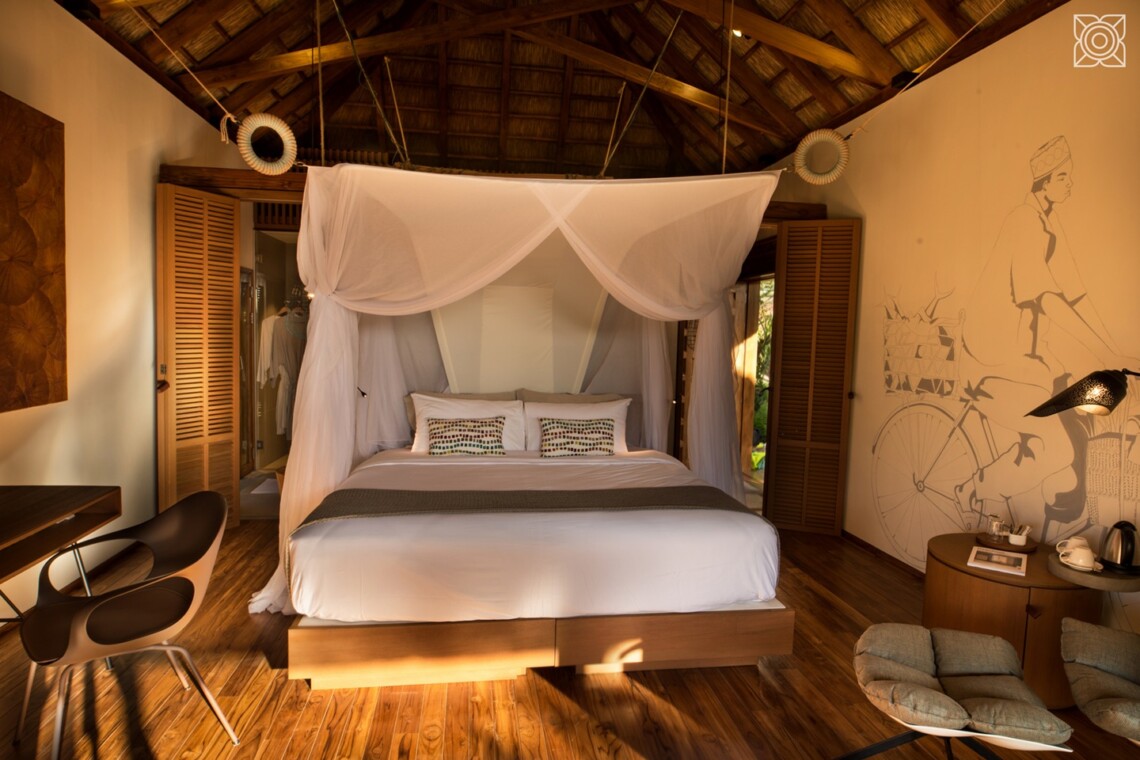
Luxury camps in the Serengeti can also add a romantic atmosphere to the trip.
After the safari, return to Zanzibar and spend several days relaxing at a beachfront resort.
The contrast between safari and beach makes the combination memorable.
You do not need to pack a completely separate suitcase for the safari.
Lightweight clothing works well during the day.
A warm jacket is useful for early morning game drives and the cooler Ngorongoro highlands.
Comfortable shoes are recommended.
Bring sunscreen, sunglasses and a hat because you will spend several hours outdoors.
A camera and binoculars are also useful.
If you are continuing to Zanzibar, remember to pack swimwear and light beach clothing.
Both options can work well.
Starting from Arusha is usually better if you want a classic Northern Circuit safari with several parks and more overland flexibility.
Starting from Zanzibar is more convenient if you are already on the island.
Flying from Zanzibar allows you to add a safari without returning to Arusha first.
The choice therefore depends on your overall holiday plan.
If you are already spending a week in Zanzibar, adding five safari days can create a well-balanced Tanzania holiday.
Yes.
If you have more than five days, adding another 2–3 nights can make the safari more relaxed.
You could spend additional time in the Serengeti or include another destination.
More time is particularly valuable if the Great Migration is your main reason for visiting.
The Serengeti is enormous, and extra nights allow your guide to explore more areas.
You can also spend more time at your lodge or camp instead of constantly travelling.
A 5-day safari from Zanzibar is an excellent way to combine Tanzania’s beaches with its famous wildlife.
You can explore Tarangire, descend into the Ngorongoro Crater and spend time in the Serengeti before flying back to Zanzibar.
A budget safari can start at around US$1,200 per person, while mid-range and luxury options can cost considerably more.
The most important decision is whether you want a road-based Northern Circuit safari or a fly-in safari that gives you more time in the Serengeti.
For travellers who already have a Zanzibar holiday planned, adding a safari is one of the best ways to experience more of Tanzania.
Safari Lala can help you discover safari camps, lodges and experiences across Tanzania and build a safari that fits your 5-day schedule, budget and travel style.
Best Luxury Safari Lodges in Tanzania: Where to Stay for an Exceptional Safari Choosing where to stay can completely change the way... Read More
Planning a trip to Tanzania as a couple is about more than deciding which national parks to visit. A safari can be... Read More

For many travelers, Arusha is the starting point for an unforgettable Tanzania safari. If your main goal is to visit Serengeti National... Read More

Zanzibar is famous for white-sand beaches,... Read More
Mana Pools National Park is one... Read More
Africa is one of the world’s... Read More
Join The Discussion