
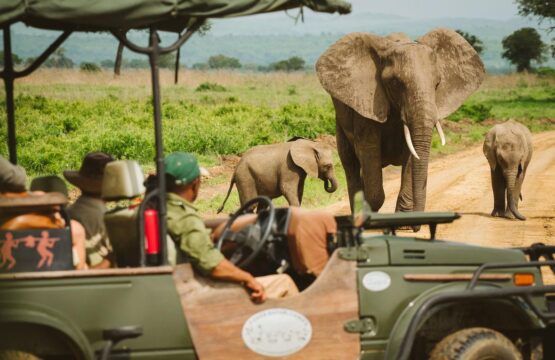

3-Day Tanzania Safari Itinerary: Best Routes, Costs & Where to Stay
- November 2, 2026
- For Travelers, Travel Guide
3-Day Tanzania Safari Itinerary: Best Routes, Costs & Where to Stay A 3-day Tanzania safari is a great choice if you have... Read More
 by Safari Lala

Tanzania is one of Africa’s most rewarding destinations for first-time visitors. You can watch elephants cross the plains of Tarangire, search for lions in the Serengeti, descend into the Ngorongoro Crater, climb Mount Kilimanjaro or finish your trip on Zanzibar’s white-sand beaches.
The challenge is planning a trip that makes sense geographically, financially and practically. Tanzania is a large country, and travelling between a national park, a major city and an island can take longer than visitors expect. Visa requirements, seasonal weather, domestic flights, health precautions and accommodation choices also deserve attention before departure.
These Tanzania travel tips will help you prepare for your first visit, avoid common planning mistakes and make better decisions about where to go, how to travel and what to budget.
Tanzania has several distinct travel regions. You do not need to visit all of them on your first trip. Choosing two or three destinations that work well together is usually more rewarding than spending your holiday moving between distant places.
The Serengeti is famous for its extensive grasslands, lions, leopards, cheetahs and the annual movement of wildebeest and zebra known as the Great Migration.
It is a strong choice for first-time safari travellers who want classic African wildlife viewing. The best area to visit depends on the time of year, especially if seeing the migration is a priority.
Ngorongoro is known for its volcanic crater, remarkable scenery and concentration of wildlife on the crater floor. It is often combined with the Serengeti on a northern Tanzania safari.
The crater can offer excellent wildlife viewing, but access, vehicle arrangements and conservation charges should be included in your planning.
Tarangire is particularly known for elephants, baobab trees and wildlife along the Tarangire River. It is a useful addition to a northern circuit itinerary, especially during the dry season when animals may gather around reliable water sources.
Zanzibar offers a different side of Tanzania, with beaches, coral reefs, spice-growing areas and historic Stone Town. Visitors can spend time swimming, snorkelling, diving, exploring local markets or relaxing at a beach resort.
Zanzibar works well before or after a mainland safari, but allow time for flights or ferry connections and transfers between the airport, Stone Town and your accommodation.
Mount Kilimanjaro attracts hikers who want to reach Africa’s highest peak. A climb requires more preparation than a normal sightseeing trip. You need an appropriate route, enough days for acclimatisation, suitable equipment and a licensed operator.
Do not schedule an ambitious climb immediately before a flight home. Allow time for recovery and unexpected changes to the itinerary.
First-time visitor tip: For a classic wildlife holiday, consider Serengeti, Ngorongoro and Tarangire. For a shorter safari from Dar es Salaam, consider Mikumi or Nyerere. If beaches are equally important, add Zanzibar rather than trying to fit every national park into one trip.
Entry requirements depend on your nationality, passport, purpose of travel and itinerary. Some visitors need a visa, while others may qualify for visa-free entry under applicable arrangements.
Check your eligibility through the official Tanzania Immigration website before booking or travelling.
If you need a tourist visa, review the permitted duration, entry conditions, fees and documents required for your nationality. Do not assume that the rules are identical for every passport.
Keep your passport, visa approval if applicable, accommodation details and return or onward travel information accessible. Border officials may request supporting documents.
As of October 2026, Tanzania has introduced mandatory inbound travel insurance for foreign visitors entering mainland Tanzania, with applicable exemptions. The government announced implementation from 1 October 2026. The stated premium is US$44 per visitor for coverage of up to 92 days, subject to the policy terms and applicable exemptions.
The required provider depends on your first point of entry:
The current government guidance says travellers generally need the relevant cover for their first point of entry rather than buying duplicate inbound policies for the same journey. Check the latest official requirements before departure, particularly if your trip includes both mainland Tanzania and Zanzibar. <Cite refs={[“turn934267search1″,”turn934267search0″,”turn934267search3”]} />
This mandatory inbound policy should not automatically be treated as a replacement for comprehensive travel insurance. Check whether you also need cover for trip cancellation, baggage, medical treatment, evacuation and activities such as trekking.
Yellow fever documentation requirements depend on your travel history and the countries you have visited or transited through. A certificate may be required when arriving from a country with yellow fever transmission risk.
Check the requirements for your particular route with an official health authority or travel clinic. Do not rely solely on the country where your international flight originated.
Tanzania can be visited throughout the year, but the weather affects road conditions, scenery, hiking and wildlife viewing.
These months are popular for safaris because vegetation is often thinner and animals may concentrate around water sources. Conditions are also generally favourable for many outdoor activities.
The dry season is a particularly popular time for northern circuit safaris, so sought-after camps and lodges can book out well in advance.
Short rains often occur during this period, although timing and intensity vary. Landscapes may become greener, and birdwatching can be rewarding. Rain does not necessarily prevent a successful safari, but it can affect road conditions and visibility.
The southern Serengeti and Ndutu area can offer excellent opportunities to see wildebeest calving, depending on rainfall and the movement of the herds.
Travellers interested in this experience should choose accommodation based on the expected location of the migration rather than booking any Serengeti camp at random.
The long rains usually bring greener scenery, but heavy rain can affect some roads and remote areas. Some seasonal camps may close or reduce operations.
This period can suit travellers seeking a quieter experience, but confirm that your selected accommodation and activities will be operating.
The important rule: There is no single best month for every Tanzania trip. Match the season to your destination and interests. The best time for a beach holiday may not be the best time for a particular wildlife event or mountain climb.
One of the most common first-time planning mistakes is underestimating travel time.
Tanzania is large, and two places that look close on a map may still require several hours of driving or a flight connection. A safari itinerary must account for transfers, park entry procedures, road conditions and the time needed to reach accommodation.
For example, a northern circuit trip may involve travel between Arusha, Tarangire, Ngorongoro and the Serengeti. The route can be rewarding, but it is not a series of short city transfers.
If you are travelling from Dar es Salaam, Mikumi is one of the more accessible parks by road. Nyerere can be reached by road or by flights serving suitable airstrips. Ruaha is more remote, and flights may be practical if you have limited time.
Before booking, ask for a day-by-day itinerary showing realistic transfer times and the amount of time available for actual activities.
Both options can work well, but they suit different budgets and schedules.
Road travel is useful when destinations are reasonably connected and you want flexibility. A guided safari normally includes a driver-guide and a suitable vehicle, with the exact arrangements depending on the operator.
A road trip can also let you experience the countryside between destinations. However, long drives can reduce the time available for sightseeing and game drives.
Domestic flights can save time when travelling between Dar es Salaam, safari airstrips, Arusha and Zanzibar. They are especially useful for fly-in safaris to remote parks.
Check the departure airport, baggage allowance, arrival time and airstrip transfer before paying. Small aircraft often have stricter luggage limits than international flights.
Ferries connect Dar es Salaam with Zanzibar, while flights are another option. Choose based on your schedule, luggage, budget and comfort preferences.
Book through a reputable provider and allow time for check-in and transfers at both ends. If your international flight departs shortly after you return to the mainland, avoid an unnecessarily tight connection.
The cost of visiting Tanzania varies considerably. A budget hotel stay in a city is very different from a private luxury safari with flights, high-end camps and exclusive game drives.
Build your budget around the actual activities you plan to do rather than using one national average.
| Expense | What to consider |
|---|---|
| International flights | Arrival airport, season, baggage and connections |
| Visa | Whether your nationality requires one and the applicable fee |
| Mandatory inbound insurance | Current rules, provider, exemptions and entry point |
| Accommodation | Location, room type, meal plan and cancellation terms |
| Safari | Park fees, guide, vehicle, accommodation and activities |
| Domestic transport | Flights, transfers, road journeys or ferry tickets |
| Food and drinks | Whether meals and drinks are included |
| Extra activities | Boat trips, balloon safaris, diving or guided walks |
| Tips and personal spending | Guide tips, souvenirs, laundry and incidental costs |
| Travel insurance | Medical treatment, evacuation, cancellation and baggage cover |
Safari prices can appear confusing because some operators quote a package that includes park fees, accommodation and game drives, while others list certain charges separately.
Request a written quote that explains what is included and excluded. Compare the total cost for the same dates, number of travellers and accommodation level.
For national parks, consult the official Tanzania National Parks Authority (TANAPA) website for current park information and applicable charges:
The Tanzanian shilling (TZS) is the country’s official currency. US dollars are also widely used for some tourism services, particularly when payments are arranged with safari operators and accommodation providers.
For everyday spending, local currency is useful for small purchases, snacks, local transport and markets. Cards may be accepted at larger hotels, established restaurants and some tourism businesses, but acceptance is not universal.
Before travelling to a remote park or island, check where you can access cash and whether your accommodation accepts your preferred payment method.
Keep some emergency cash separate from your main wallet. Avoid exchanging money with unlicensed individuals, and check the amount you receive before leaving a bureau or bank.
If a safari operator quotes in US dollars, confirm the currency and payment method in writing. Do not assume every local business will accept foreign currency or that every card terminal will work.
Swahili is widely spoken across Tanzania, and learning a few words can make everyday interactions easier. English is also used in many tourism settings, including established hotels and guided safaris.
Useful phrases include:
You do not need to speak Swahili fluently to travel around Tanzania. Even a few words can help you greet people politely and show interest in the local culture.
Tanzania is culturally diverse, and expectations can vary between communities and destinations.
In cities and villages, modest clothing is generally a considerate choice. Zanzibar has a strong Muslim cultural influence, so dress more conservatively when visiting Stone Town, local neighbourhoods, religious sites and other public places away from resort beaches.
Beachwear is appropriate at the beach or resort, but it is not suitable everywhere. Cover shoulders and knees when visiting religious or culturally significant places if requested or customary.
Ask permission before photographing people, especially children, market traders or anyone in a private setting. Do not assume that someone wants to be photographed because they are in a tourist area.
When visiting a village or community project, follow your guide’s advice, respect personal space and ask before entering private property.
Consult a qualified healthcare professional or travel clinic well before departure. Advice depends on your health, itinerary, length of stay and activities.
Malaria occurs in Tanzania, so ask whether preventive medication is recommended for your trip. Use insect repellent, wear suitable clothing, and sleep in screened or air-conditioned accommodation where possible. A mosquito net may be appropriate depending on where you stay.
Check yellow fever requirements for your route and seek advice about other recommended vaccinations. Carry enough prescription medication for the trip and keep it in your hand luggage.
Drink safe water from sealed bottles or properly treated sources. Use sun protection, stay hydrated and take care during hot-weather activities.
If you are climbing Kilimanjaro, diving, taking part in strenuous activities or visiting remote parks, make sure your insurance and health preparations match those activities.
Tanzania welcomes many visitors, but sensible precautions are important, as they are in any destination.
In busy urban areas, keep valuables secure, avoid displaying large amounts of cash and use reputable transport providers. At night, arrange transport rather than walking through unfamiliar areas without local guidance.
On safari, follow your guide’s instructions and park regulations. Never approach, feed or provoke wild animals. Stay inside the vehicle unless you are in an authorised safe area or taking part in an activity led by qualified professionals.
At the beach, follow local advice about currents, tides, boat conditions and marine life. Do not assume that every beach is safe for swimming at all times.
Keep your passport and travel documents secure, with digital copies stored separately. Share your itinerary with someone you trust, and save your accommodation and emergency contacts.
A luxury lodge is not automatically the best choice if it is poorly located for the wildlife experience you want.
If the Great Migration is your priority, select a Serengeti region and camp that fit the expected seasonal movement of the herds. If you want a short safari from Dar es Salaam, choose accommodation that makes sense for Mikumi or Nyerere. If you want to see the Ngorongoro Crater, consider how far your accommodation is from the crater access point and your next destination.
Check whether the rate includes meals, transfers, park fees, game drives and other activities. Also confirm the room type, cancellation terms and any minimum-stay requirements.
For budget travellers, simple lodges and public camps can make a safari more affordable. For families, ask about age limits on game drives, room configurations and child-friendly facilities.
Booking early is advisable for popular camps during peak periods. For remote destinations, confirm all transfers before finalising your accommodation.
A mainland safari and a Zanzibar beach holiday can make an excellent combination, but they involve separate logistics.
A common itinerary is to fly into northern Tanzania, complete a safari and then fly to Zanzibar. Travellers starting in Dar es Salaam can also organise southern Tanzania safaris before continuing to the island.
Allow enough time for domestic flights and transfers. If you are travelling by ferry, check departure times and build in a buffer for delays.
Foreign visitors should also review Zanzibar’s mandatory inbound insurance requirements and the applicable rules for travellers arriving via the mainland. As requirements can change, confirm the latest details through the official Zanzibar and Tanzania insurance portals before departure.
For a short holiday, avoid combining too many parks with too many beach destinations. A focused safari followed by several nights in Zanzibar can be more enjoyable than changing accommodation every day.
Tanzania’s climate varies between the coast, highlands, mountains and safari regions. Packing should reflect your itinerary.
For a safari, bring lightweight clothing, a hat, sunglasses, sunscreen, insect repellent and comfortable closed shoes. A warm layer is useful for early-morning game drives, particularly in higher-altitude areas.
For Zanzibar, include swimwear, light beach clothing, sandals and modest clothing for town visits. A light rain jacket can be useful during wetter periods.
For Kilimanjaro, use a dedicated equipment list from your trekking operator. A mountain climb requires appropriate layers, footwear, waterproof protection and gear suited to cold conditions at altitude.
Bring a power bank, charging cables, personal medication and a small first-aid kit. If you are flying to a remote safari airstrip, confirm luggage restrictions before packing.
Trying to see the whole country in one trip. Tanzania is too large for a rushed itinerary. Choose destinations that work well together.
Booking the wrong safari location for the season. The Great Migration moves throughout the Serengeti ecosystem. A camp that is well placed in one month may be far from the herds in another.
Ignoring travel time. A long transfer can take away hours that could otherwise be spent enjoying the destination.
Assuming every price includes everything. Check park fees, meals, activities, transfers and taxes before comparing safari quotes.
Leaving entry requirements until the last minute. Check visa eligibility, insurance, passport validity and vaccination documentation well before departure.
Underestimating health preparation. Seek medical advice before travel and make sure your insurance covers the activities you plan to do.
Booking a tight international connection after a safari. Delays can happen. An overnight stay before an important international flight may reduce stress.
Expecting guaranteed wildlife sightings. Safaris take place in natural habitats. Experienced guides improve your chances, but no operator can guarantee every animal or a particular event.
The right trip length depends on your priorities.
For a short visit, three to four days can work for a focused destination such as a Mikumi safari or a city-and-coast break.
For a northern Tanzania safari, five to seven days can allow time for several parks without making every day a transfer day.
For a safari combined with Zanzibar, seven to ten days or longer provides more flexibility. You can spend several days on safari and then enjoy the coast without rushing straight back to the airport.
A Kilimanjaro climb requires a separate time allowance based on the route and acclimatisation schedule. Do not try to squeeze a climb into a few spare days between flights and beach accommodation.
The best itinerary is not necessarily the one with the most stops. It is the one that gives you enough time to experience each place properly.
Yes. Tanzania offers a range of experiences, from guided safaris and mountain trekking to island beaches and cultural visits. Booking reliable transport, understanding entry requirements and choosing a realistic itinerary can make the first visit much easier.
June to October is popular for many safaris because it is generally the dry season. January and February can be attractive for wildebeest calving in the southern Serengeti. Zanzibar and Kilimanjaro have their own seasonal considerations, so choose dates according to your main activity.
It can be expensive, particularly for private luxury safaris, remote camps and domestic flights. However, costs vary widely. Travellers can control their budget by choosing simpler accommodation, limiting the number of parks, travelling in suitable shoulder periods and comparing complete package prices.
Independent travel is possible on many routes, particularly between towns and popular destinations. Remote parks, mountain climbs and some specialist activities require more planning and may need licensed guides or operators. Check local transport, road conditions and access rules before travelling independently.
Yes, comprehensive travel insurance is strongly recommended. As of October 2026, foreign visitors are also subject to the new mandatory inbound insurance requirement for mainland Tanzania, with applicable exemptions; Zanzibar has its own inbound insurance arrangements. Check the current official rules and make sure your wider policy covers your trip and planned activities.
Either order can work. Many travellers complete the safari first and then relax on Zanzibar’s beaches. The best sequence depends on international flights, domestic connections and whether you want to finish the holiday with a few quiet days by the sea.
Tanzania rewards travellers who plan around its geography rather than trying to see everything at once. Choose the right region, allow realistic travel times, confirm entry requirements and understand what your accommodation and safari package include.
For wildlife, match the park to your interests and the season. For the coast, allow time to enjoy Zanzibar beyond the airport and resort. For trekking, prepare carefully and use a qualified operator.
Most importantly, confirm important details through official sources shortly before departure. Entry requirements, fees, flight schedules and health advice can change, and accurate information makes it easier to enjoy the trip with confidence.

3-Day Tanzania Safari Itinerary: Best Routes, Costs & Where to Stay A 3-day Tanzania safari is a great choice if you have... Read More
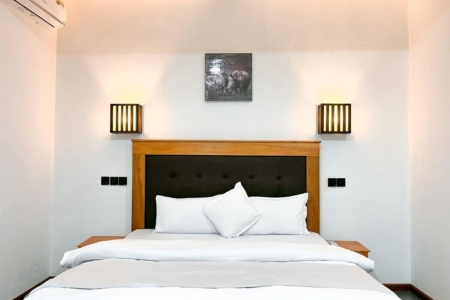
Moshi is one of the best places to stay before climbing Mount Kilimanjaro. Located in northern Tanzania, near the mountain’s southern slopes,... Read More
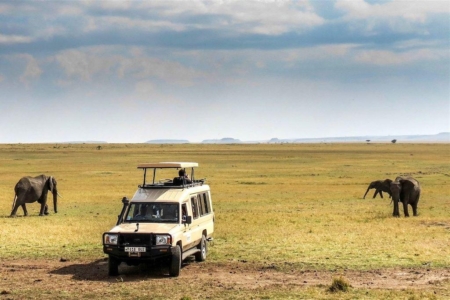
Planning a safari in Tanzania involves more than choosing national parks and wildlife experiences. You also need to decide where to spend... Read More
Join The Discussion