A 4-day safari through Tarangire, Serengeti and Ngorongoro Crater is a great choice when you want to experience several of Tanzania’s most famous wildlife destinations in a short time. The journey combines elephant-filled landscapes, the endless Serengeti plains and the incredible wildlife of the Ngorongoro Crater.
The itinerary starts in Arusha and covers three very different environments. You will spend your first day exploring Tarangire before continuing to Serengeti. The following day is dedicated to wildlife viewing in the Serengeti, followed by Ngorongoro on day three and a crater game drive before returning to Arusha on day four.
It is a fast itinerary, but it works well for travellers who have limited time and want to see the highlights of northern Tanzania.
Day 1: Arusha to Tarangire National Park and Serengeti
Your 4-day safari begins in Arusha in the morning. Your safari guide will collect you from your hotel, usually between 7:00 AM and 8:00 AM, before you begin the drive towards Tarangire National Park.
The journey from Arusha to Tarangire takes around 2 to 3 hours, depending on your starting point and road conditions. As you leave the city, the landscape gradually changes from busy streets and farmland to open countryside.
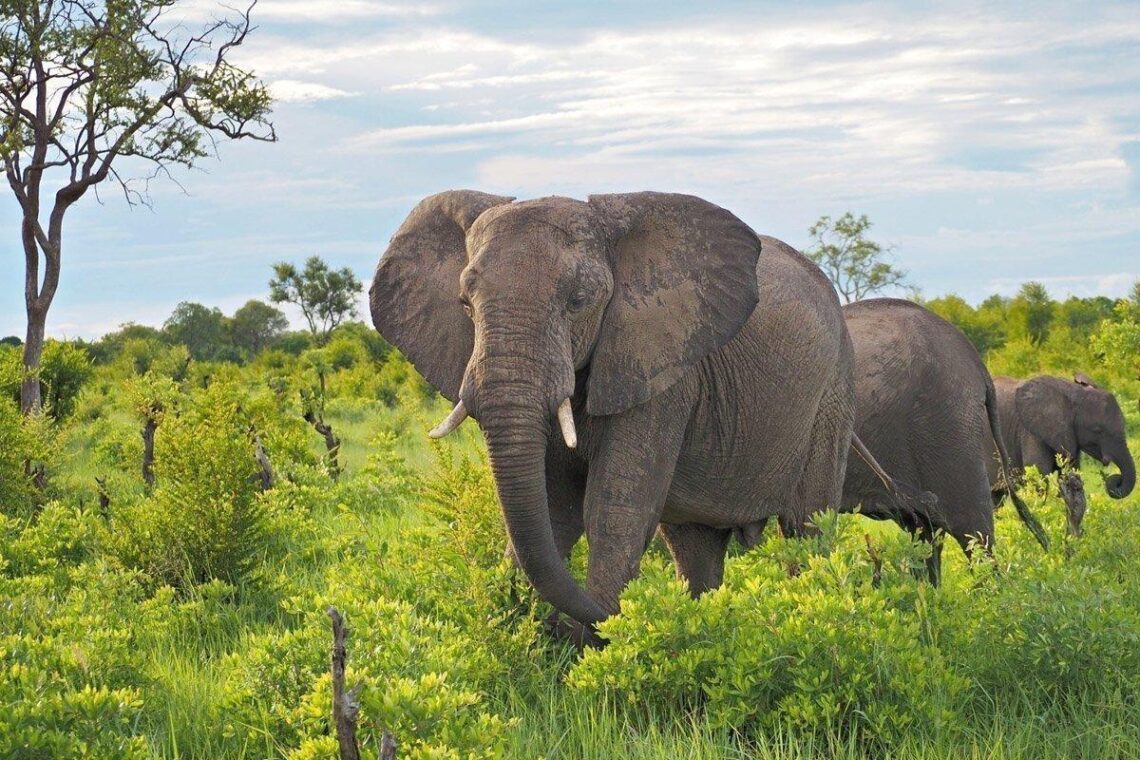
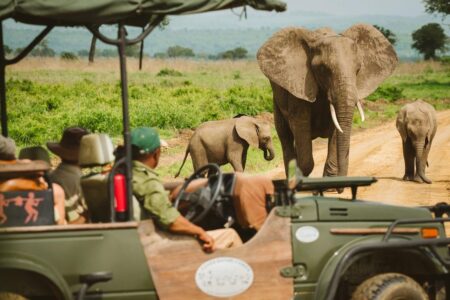
Tarangire is the first wildlife destination on the itinerary. The park covers approximately 2,850 square kilometres and is particularly famous for its large elephant population and enormous baobab trees.
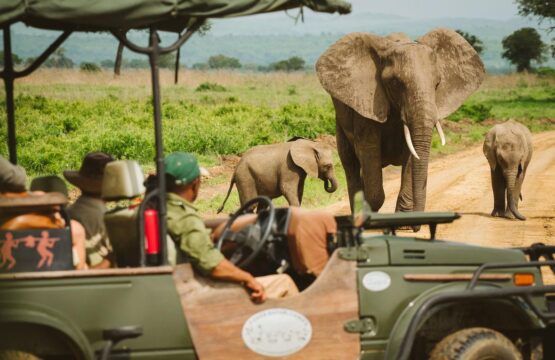
Once inside the park, you begin your first game drive. Elephants are often one of the highlights, but you may also see giraffes, zebras, wildebeest, buffalo and several species of antelope. Lions and other predators can also be found in the park.
After exploring Tarangire, you continue towards Serengeti. This is the longest travel section of the first day, but the changing scenery makes the journey part of the experience.
As you approach Serengeti National Park, the landscape becomes wider and more open. You may begin seeing wildlife even before reaching your accommodation.
You arrive at your Serengeti camp or lodge later in the day. After dinner, you can relax and prepare for a full day of game viewing.
Day 2: Full-Day Serengeti National Park Safari
Wake up early for your first full day in the Serengeti.
The morning is one of the best times for wildlife viewing. Temperatures are cooler, and many animals are active after spending the night in the bush.
After breakfast, your guide takes you into the park for a full-day game drive. The Serengeti covers approximately 14,750 square kilometres, so there is no shortage of places to explore.
The exact route depends on the season and recent wildlife sightings. Your guide may take you towards areas where lions have recently been seen or follow large herds of wildebeest and zebras across the plains.
The Serengeti is particularly famous for its predators. Lions are frequently encountered, while cheetahs can sometimes be seen hunting across the open grasslands. Leopards are more difficult to spot, but experienced guides know where to look.
The Great Migration can also add another dimension to your safari. The location of the herds changes throughout the year, so the best area to stay in the Serengeti depends on when you travel.
You can enjoy a picnic lunch during the game drive before continuing your exploration in the afternoon.
As the sun begins to fall, you return to your accommodation. After dinner, you spend another night in the Serengeti.
Day 3: Serengeti to Ngorongoro Crater
Your third day begins with an early breakfast.
You leave the Serengeti and begin your journey towards the Ngorongoro Conservation Area. Depending on your route, you can enjoy wildlife viewing along the way as you gradually leave the Serengeti plains behind.
The scenery changes as you approach the Ngorongoro highlands. Open grasslands give way to forests, cooler temperatures and the dramatic landscape surrounding the crater.
Ngorongoro Crater is approximately 20 kilometres wide and covers around 260 square kilometres. The steep crater walls create a natural enclosure where large numbers of animals live.
You arrive at your accommodation later in the day. Staying near the crater is particularly useful because you can begin the following morning’s game drive early.
The high elevation means evenings around Ngorongoro can be cold. A warm jacket is recommended, especially if you are travelling during the cooler months.
After dinner, enjoy a quiet evening before your final safari day.
Day 4: Ngorongoro Crater Game Drive and Arusha
Your final day begins early.
After breakfast, you descend into the Ngorongoro Crater for a game drive. The crater is one of Tanzania’s best places to see a wide variety of wildlife in a relatively small area.
The grasslands provide food for large numbers of wildebeest, zebras and buffalo. Lions can often be seen hunting or resting in the open areas, while hippos occupy the crater’s water sources.
The crater is also one of the best places in Tanzania to look for the endangered black rhinoceros. Seeing one is not guaranteed, but your guide will watch carefully for them during the game drive.
Elephants can sometimes be found in the forested areas, while numerous birds can be seen around the wetlands and lakes.
You spend several hours exploring the crater before ascending back to the rim.
After leaving the crater, you begin your journey towards Arusha. Depending on your departure arrangements, you can arrive in Arusha in the afternoon or early evening.
Your 4-day Tarangire, Serengeti and Ngorongoro safari ends in Arusha.
How Much Does This 4-Day Safari Cost?
A 4-day safari covering Tarangire, Serengeti and Ngorongoro can cost approximately US$900–$1,400 per person for a budget or shared safari.
A mid-range safari can cost around US$1,400–$2,200 per person, while a luxury private safari can reach approximately US$2,800–$5,000 or more per person.
The price depends on the accommodation, travel season, number of travellers and whether you choose a private or shared safari.
Park fees, accommodation, meals, transportation and guide services are normally included in organized safari packages. International flights, travel insurance, drinks and personal expenses are usually separate.
Best Time for This 4-Day Safari
Tanzania can be visited throughout the year, but the dry season from around June to October is particularly popular for wildlife viewing.
During this period, vegetation is generally thinner, and animals often gather around water sources.
If you want to see the Great Migration, your travel dates are more important. The herds move through different areas of the Serengeti during the year.
The southern Serengeti and Ndutu area can be particularly interesting around January and February, when wildebeest gather for the calving season.
Later in the year, the northern Serengeti can become important as the herds move towards the Mara River.
Is 4 Days Enough?
Four days is enough to experience the three destinations, but the itinerary is quite active.
You will spend several hours travelling between parks, particularly on the first and third days.
The advantage is that you experience three very different landscapes in one trip.
Tarangire gives you elephants and baobabs. Serengeti gives you vast plains and predators. Ngorongoro provides concentrated wildlife within the crater.
If you have an additional day, spending it in the Serengeti would make the safari more relaxed.
For travellers with only four days available, however, this itinerary offers an excellent introduction to northern Tanzania.
What to Pack
Pack lightweight clothing for the warmer safari days and a warm jacket for early mornings.
Ngorongoro can be particularly cool because of its elevation.
Comfortable shoes, sunglasses, sunscreen and a hat are useful throughout the safari.
Binoculars can help you see wildlife at a distance, while a camera will allow you to capture the landscapes and wildlife you encounter.
It is best to pack relatively light because you will be moving between several destinations during the four days.
Final Thoughts
A 4-day Tarangire, Serengeti and Ngorongoro Crater safari is designed for travellers who want to experience a lot of Tanzania in a short period.
You begin among the elephants and baobabs of Tarangire, spend a full day exploring the Serengeti and finish with a game drive inside the Ngorongoro Crater.
The itinerary is busy, but every day brings a different experience.
With prices starting at around US$900 per person for some budget and shared options, it can also be a practical choice for travellers working with a limited budget and limited time.
If you can extend the trip, adding another night in the Serengeti is recommended. If four days is all you have, this route gives you a memorable taste of three of Tanzania’s most iconic safari destinations.

 by


Join The Discussion