Bali is one of Southeast Asia’s most recognisable holiday destinations, attracting travellers with its tropical beaches, green rice terraces, traditional temples, volcanic landscapes and distinctive cultural experiences. Located in the Indonesian archipelago, the island offers a variety of holidays, from relaxing beach breaks and luxury villa stays to adventure trips, cultural journeys and wellness retreats.
For some visitors, Bali means spending the afternoon beside an infinity pool overlooking a tropical valley. For others, it means exploring ancient temples, watching traditional Balinese dance, walking through rice fields, learning to surf or visiting waterfalls hidden among the island’s interior landscapes.
The island is also more diverse than many first-time visitors expect. Ubud offers a different atmosphere from Seminyak. Uluwatu has a different character from Canggu, while Nusa Dua is known for its resort environment. Travelling north brings visitors to cooler mountain landscapes, lakes and waterfalls, while the eastern coastline offers quieter villages and opportunities for diving and snorkelling.
Choosing where to stay and how to organise your itinerary can therefore make a significant difference to your experience. Bali may look relatively small on a map, but traffic, road conditions and distances between attractions can make moving around the island slower than expected.
This Bali travel guide explains where to go, which areas are best for different types of travellers, what to see, how much time to spend, where to find accommodation and how to organise a holiday that makes the most of your time on the island.
Whether you are visiting Bali for the first time, planning a honeymoon, travelling with children or looking for a longer tropical holiday, understanding the different regions will help you make better decisions before booking.
Understanding Bali: Where Is It and What Makes It Special?
Bali is an Indonesian island situated between Java and Lombok. It is part of the Lesser Sunda Islands and is the administrative centre of Bali Province.
The island is internationally known for its Hindu cultural traditions, distinctive architecture, religious ceremonies, tropical scenery and hospitality industry. Unlike many other Indonesian islands, where Islam is the dominant religion, Bali has a predominantly Hindu population. Hindu beliefs and customs influence everyday life, architecture, ceremonies and the way many communities organise their surroundings.
Visitors will notice small offerings placed outside homes, shops, restaurants and temples. These offerings, known as canang sari, are part of daily religious practice. Traditional ceremonies also take place throughout the year, sometimes affecting road access and opening arrangements around temples and villages.
Bali’s appeal comes from the combination of natural landscapes and cultural experiences. A traveller can spend a morning visiting a Hindu temple, have lunch overlooking rice terraces, explore a traditional village in the afternoon and enjoy a sunset meal beside the ocean.
The island also has a well-developed accommodation sector. International hotel brands, private villas, boutique resorts, family-run guesthouses and budget hostels operate across different destinations. This makes Bali accessible to travellers with very different budgets.
However, Bali is not one uniform holiday destination. The experience changes considerably depending on where you stay.
Best Areas to Visit in Bali
Choosing the right area is one of the most important decisions when planning a Bali holiday. Some destinations are better for nightlife and restaurants, others for cultural sightseeing, and others for beach relaxation.
Rather than selecting a hotel based only on photographs or prices, consider what you want to experience during your stay.
Ubud: Best for Culture, Rice Terraces and Jungle Accommodation
Ubud is one of Bali’s most popular inland destinations. Located in Gianyar Regency, it is surrounded by rice fields, river valleys, temples, traditional villages and tropical vegetation.
The town has become an important centre for art, wellness, yoga, traditional crafts and cultural tourism. Visitors can explore galleries, attend dance performances, take cooking classes, visit temples and discover the surrounding countryside.
Unlike the southern coastal destinations, Ubud does not have a beach. Its appeal comes from its green landscape, cultural heritage, restaurants, spas and access to inland attractions.
Central Ubud is convenient for travellers who want to explore restaurants, shops, the Ubud Palace and the Sacred Monkey Forest Sanctuary. However, accommodation outside the centre can offer a quieter environment and views of the surrounding countryside.
Penestanan is popular with visitors looking for a relaxed atmosphere, while Sayan is associated with luxury resorts and accommodation overlooking the Ayung River valley. Tegallalang is attractive to travellers who want to stay near rice terraces and rural landscapes.
Further north, Taro provides another accommodation option for travellers interested in a countryside setting and distinctive visitor experiences.
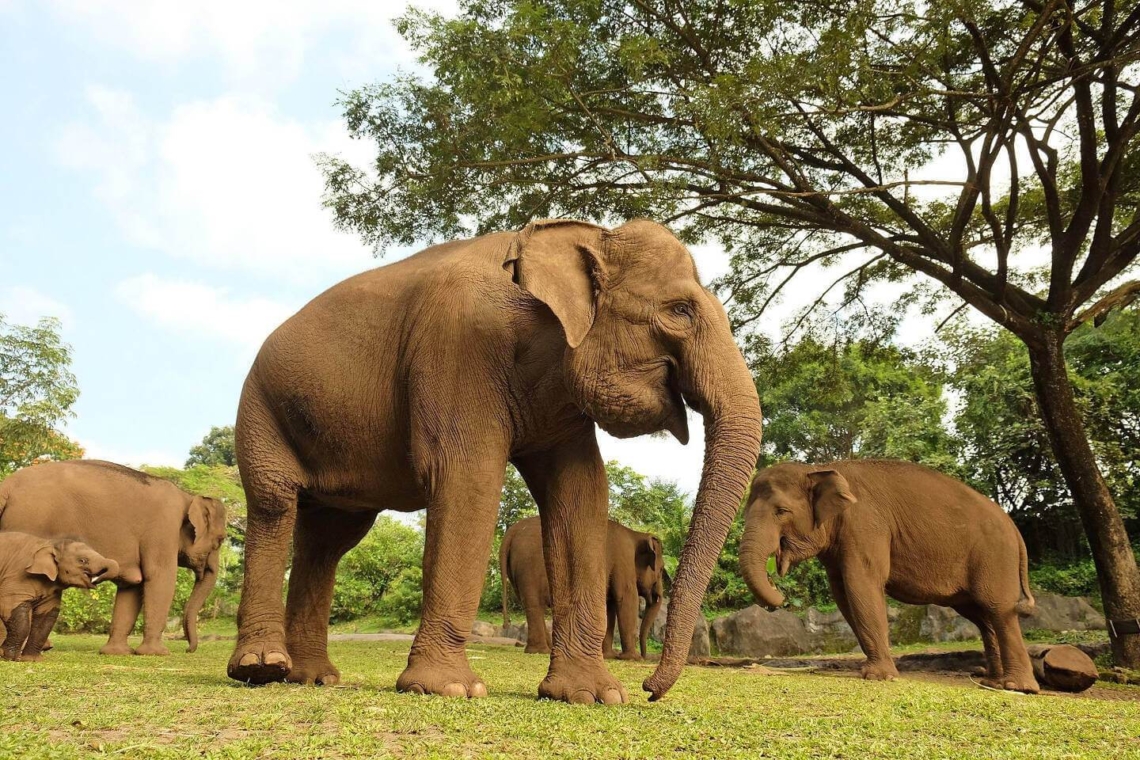
One property in this area is Mason Elephant Park & Lodge, which combines accommodation with an elephant park. The property is particularly relevant to travellers researching unusual places to stay near Ubud. Its room categories include park, garden, rice-field and lake-view options.
The property should be evaluated as both accommodation and a wildlife attraction. Travellers should examine its current animal-interaction policies and independent welfare information before deciding whether its activities suit their values.
Ubud is particularly suitable for couples, families, solo travellers, wellness visitors and anyone interested in understanding more of Bali beyond its beaches.
Seminyak: Best for Restaurants, Shopping and Stylish Beach Holidays
Seminyak is one of the best-known coastal destinations in southern Bali. It is popular with travellers who want access to restaurants, beach clubs, boutiques, spas and a lively hospitality scene.
The area has a wide range of accommodation, from smaller boutique hotels to luxury resorts and private villas. Many properties are within reach of restaurants and entertainment venues, although the actual walking distance depends on the location.
Seminyak is particularly attractive to couples and groups of friends who enjoy dining, shopping and spending time near the beach.
The beach itself is known for its sunsets, surfing conditions and beach clubs. It is not necessarily the best place for every traveller who wants calm swimming water, as waves and currents vary.
Seminyak also provides convenient access to nearby destinations, including Legian and Canggu. However, traffic can be heavy, particularly during busy holiday periods.
Travellers choosing Seminyak should consider whether they prefer to stay close to the beach, restaurants or quieter residential streets. A hotel described as being in Seminyak may not necessarily be within walking distance of the main attractions.
Canggu: Best for Cafés, Surfing and a Social Atmosphere
Canggu has developed into one of Bali’s most recognisable destinations among international visitors, digital nomads, surfers and younger travellers.
The area has a large selection of cafés, restaurants, beach clubs, fitness studios, coworking spaces and accommodation options. It is particularly popular with visitors who want a social atmosphere and an extended stay.
Batu Bolong, Berawa and Pererenan are among the areas travellers commonly consider when looking for accommodation around Canggu.
Batu Bolong is known for its restaurants, surf scene and busy streets. Berawa has a mix of residential accommodation, cafés and beach clubs. Pererenan generally offers a different atmosphere, although development and visitor numbers continue to change the area.
Canggu is not necessarily the best choice for travellers looking for a traditional quiet island holiday. Traffic congestion is a major consideration, and some roads become particularly busy during the day.
It is also important to understand the difference between staying in Canggu itself and staying in surrounding areas. Accommodation advertised as Canggu may be several kilometres from the main beach or restaurant areas.
For travellers planning to work remotely, stay for several weeks or enjoy Bali’s café and social culture, Canggu can be an appealing base.
Uluwatu: Best for Clifftop Resorts, Surfing and Ocean Views
Uluwatu is located on the Bukit Peninsula in southern Bali. It is known for dramatic limestone cliffs, ocean-facing accommodation, surf breaks and spectacular sunset views.
The destination attracts couples, honeymooners, surfers and travellers looking for a more scenic coastal stay.
One of the most recognisable attractions is Uluwatu Temple, which stands on a cliff overlooking the Indian Ocean. Visitors can explore the temple surroundings and attend traditional Kecak dance performances at sunset, subject to the current programme.
The surrounding area includes several beaches and coastal locations, including Padang Padang, Bingin, Dreamland and Melasti.
Uluwatu has some of Bali’s most visually impressive resorts and private villas. However, accommodation can be spread across a large area, and steep access roads or stairs may be involved when visiting certain beaches.
It is worth considering transport arrangements before booking, especially if you plan to visit several beaches and restaurants during your stay.
Uluwatu is a good option for travellers seeking scenery, surfing, romantic accommodation and a more resort-focused experience.
Nusa Dua: Best for Luxury Resorts and Family Holidays
Nusa Dua is one of Bali’s established resort destinations. Located in the southeastern part of the Bukit Peninsula, it has a concentration of large hotels, beachfront resorts, landscaped grounds and organised visitor facilities.
The destination is particularly suitable for families, couples and travellers who want a comfortable hotel-based holiday.
Many resorts offer swimming pools, restaurants, children’s facilities, spas and access to beaches. This can make planning easier for visitors who prefer to spend much of their holiday within their accommodation.
Nusa Dua is also known for hosting conferences and business events, so it attracts a different visitor segment from the more independent accommodation areas of Ubud and Canggu.
Travellers should compare the beach conditions, room categories and included facilities before booking. Not all beachfront properties offer the same swimming conditions or access arrangements.
For a first-time Bali visitor who wants a predictable resort environment, Nusa Dua is worth considering.
Sanur: Best for Families, Relaxed Beach Holidays and Island Connections
Sanur is located on Bali’s southeastern coast. It has a more relaxed atmosphere than some of the island’s busier southern destinations.
The area is popular with families, older travellers and visitors who prefer a quieter beach environment. Its coastal promenade, restaurants, shops and accommodation make it convenient for a comfortable holiday.
Sanur is also an important departure point for fast boats travelling to destinations such as Nusa Penida and Nusa Lembongan.
Travellers planning island trips should check their boat departure point and transfer arrangements before selecting a hotel. Staying in Sanur can make an early departure easier than travelling from the western side of the island.
Sanur is not the destination for travellers seeking Bali’s busiest nightlife. Its appeal lies in convenience, a more relaxed pace and access to the southeastern coastline.
Jimbaran: Best for Seafood, Sunset Dining and Resort Accommodation
Jimbaran is located in southern Bali, between the airport area and the Bukit Peninsula.
It is known for its beach, seafood restaurants and larger resort properties. Many travellers choose Jimbaran because it provides a comfortable base for exploring southern Bali without staying directly in the busier areas of Kuta or Seminyak.
The beach is particularly associated with sunset dining. Restaurants along the coast serve seafood and other Indonesian dishes, and the atmosphere can be attractive for couples and families.
Jimbaran is also convenient for visitors who want to explore Uluwatu, Balangan and other parts of the Bukit Peninsula.
The area offers a combination of luxury resorts, private villas and smaller hotels.
Kuta: Best for Budget Accommodation and Airport Convenience
Kuta is one of Bali’s older international tourism destinations. It is known for its beach, shopping areas, nightlife and relatively broad selection of budget accommodation.
The area is close to Ngurah Rai International Airport, making it practical for travellers who need a convenient overnight stay after arriving or before departing.
Kuta also offers access to shopping centres, restaurants, entertainment and surfing beaches.
However, the atmosphere can be busy, and travellers seeking a quiet luxury holiday may prefer Nusa Dua, Jimbaran or other coastal destinations.
Kuta is worth considering for budget-conscious visitors, short stays and travellers who prioritise airport convenience.
Amed: Best for Diving, Snorkelling and a Quieter Coastal Experience
Amed is located along Bali’s northeastern coastline. It is known for its fishing villages, volcanic landscapes, diving sites and opportunities for snorkelling.
The area has a very different atmosphere from southern Bali. It is less focused on large beach clubs and nightlife and more suited to travellers interested in marine activities and quieter coastal accommodation.
Amed is particularly attractive to divers and independent travellers who want to explore the underwater environment.
Accommodation ranges from simple guesthouses to boutique hotels and villas overlooking the sea.
Visitors should remember that beaches in Amed are often dark volcanic sand or pebbles rather than the white sand associated with some southern destinations.
Munduk: Best for Waterfalls, Mountain Landscapes and Nature
Munduk is located in Bali’s northern highlands. It is known for cooler temperatures, mountain scenery, waterfalls, plantations and green landscapes.
Travellers looking for a quieter experience often choose Munduk as an alternative to the more developed southern areas.
The region is suitable for nature lovers, couples and visitors interested in walking, photography and exploring Bali’s rural landscapes.
Accommodation includes mountain lodges, boutique hotels and properties overlooking valleys and plantations.
Munduk is not the most convenient base for beach holidays or frequent trips to southern Bali. Its value comes from experiencing a different side of the island.
Nusa Penida: Best for Dramatic Coastal Scenery
Nusa Penida is an island southeast of mainland Bali. It is famous for its cliffs, beaches, viewpoints and distinctive coastal formations.
Kelingking Beach is one of its most photographed attractions, while other popular locations include Diamond Beach, Atuh Beach and Broken Beach.
The island attracts day visitors and travellers who want to spend several nights exploring its landscapes.
However, road conditions can be challenging in some areas. Distances that appear short on a map may involve slow journeys, and access to certain beaches requires steep walks.
Visitors should not underestimate the conditions at cliff viewpoints or attempt difficult descents without considering their fitness, footwear and the weather.
Staying overnight can be worthwhile if you want to explore more of the island without rushing through a day trip.
Best Places to Visit in Bali
Bali has more attractions than most visitors can comfortably cover in one holiday. Rather than trying to visit everything, choose places that match your interests and group them by region.
Tegallalang Rice Terraces
The Tegallalang Rice Terraces are among Bali’s most recognised landscapes. Located north of Ubud, the terraces show the island’s traditional rice-growing environment and the use of the subak irrigation system.
The green fields create a layered landscape across the hillsides. Visitors can explore designated walking routes, enjoy views from cafés and learn more about the agricultural traditions associated with Balinese rice cultivation.
The best time to visit depends on the season and planting cycle. Rice fields can look different throughout the year, so travellers should not expect every photograph to match the landscape on their visit.
Tegallalang is a popular stop on Ubud sightseeing routes and can become busy during the middle of the day.
Sacred Monkey Forest Sanctuary
The Sacred Monkey Forest Sanctuary is located in central Ubud. It combines a forest environment with temples and pathways where long-tailed macaques live.
Visitors can walk through the grounds, observe the monkeys and explore the temple structures.
It is important to follow the sanctuary’s rules. Do not feed the monkeys, attempt to touch them or carry food in a way that encourages them to approach. Keep personal belongings secure and maintain a respectful distance.
The sanctuary is an important attraction for first-time visitors because it combines nature, culture and wildlife within the town.
Tirta Empul Temple
Tirta Empul is a Hindu water temple in Tampaksiring, north of Ubud.
It is known for its sacred spring water and purification rituals. The temple attracts both local worshippers and international visitors.
Visitors should remember that Tirta Empul is an active religious site, not simply a sightseeing attraction. Modest clothing and respectful behaviour are important.
Travellers who want to participate in purification rituals should follow the temple’s rules and understand the cultural significance of the practice.
Uluwatu Temple
Uluwatu Temple is one of Bali’s most recognisable coastal temples.
Its location on a dramatic cliff gives visitors expansive views over the Indian Ocean. The sunset setting is particularly popular, and traditional Kecak dance performances are commonly associated with evening visits.
Visitors should arrive with enough time to explore the grounds and find a suitable viewing area.
As with other temple visits, respect local customs and be careful around cliff edges.
Tanah Lot Temple
Tanah Lot is famous for its offshore rock formation and temple setting.
The temple is particularly popular at sunset, when changing light creates an attractive view of the coastline.
The landscape changes with the tide, and access to certain areas depends on sea conditions and local restrictions.
Travellers should avoid treating the rocks and waves as safe swimming areas. Follow local instructions and enjoy the temple primarily as a cultural and scenic attraction.
Mount Batur
Mount Batur is an active volcano in the Kintamani region of northeastern Bali.
It is popular for sunrise trekking, with visitors starting their journey during the early hours to reach elevated viewpoints before dawn.
The hike offers views across volcanic terrain and the surrounding landscape. Conditions can be cold before sunrise, and paths may be uneven or slippery.
Travellers should use a reputable local guide, check weather conditions and choose a route that matches their physical ability.
Tegenungan Waterfall
Tegenungan Waterfall is located in Gianyar Regency, south of central Ubud.
It is one of the more accessible waterfall attractions for travellers staying around Ubud, although reaching the water involves stairs and walking.
The waterfall is particularly impressive during periods of strong water flow, but conditions can change depending on rainfall.
Visitors should pay attention to warning signs and avoid swimming when currents are strong.
Kanto Lampo Waterfall
Kanto Lampo is another waterfall attraction in Gianyar.
Its distinctive stepped rock formation creates a popular photography setting. The surrounding environment can become slippery, particularly after rainfall.
Travellers should follow local access rules and avoid climbing on unstable rocks simply to obtain photographs.
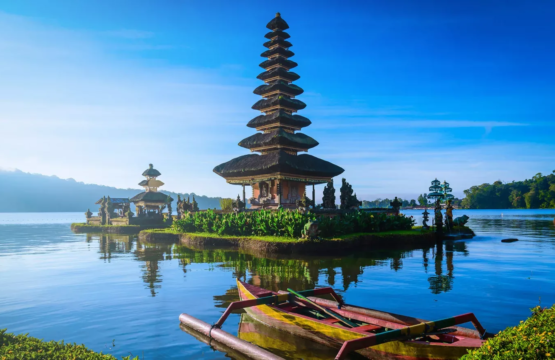
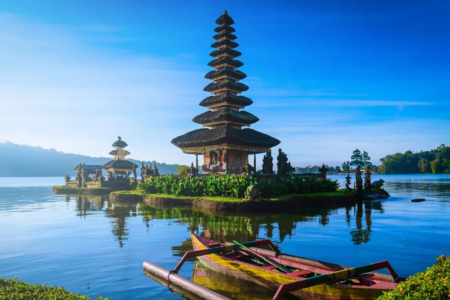
Ulun Danu Beratan Temple
Ulun Danu Beratan is located beside Lake Beratan in Bali’s central highlands.
Its lakeside setting and traditional temple architecture make it one of the island’s most photographed cultural attractions.
The surrounding highland environment is generally cooler than southern Bali, and the landscape can become misty.
The temple is often included in longer sightseeing trips covering Bedugul and northern Bali.
Besakih Temple
Besakih is Bali’s largest and most important temple complex. It is situated on the slopes of Mount Agung in eastern Bali.
The complex contains several temples and is an important religious centre for Balinese Hindus.
A visit provides an opportunity to understand the island’s religious architecture and traditions.
Because it is an active place of worship, visitors should follow local dress and behaviour requirements.
Goa Gajah
Goa Gajah, also known as the Elephant Cave, is an archaeological and religious site near Ubud.
The attraction includes a carved cave entrance, bathing structures and surrounding temple grounds.
Despite its name, it is not an elephant sanctuary or wildlife attraction. The name refers to the site’s historical identity.
It can be included in a cultural sightseeing itinerary with other attractions around Ubud and Gianyar.
Jatiluwih Rice Terraces
Jatiluwih is a large rice terrace landscape in Tabanan Regency.
It is recognised for its agricultural scenery and traditional irrigation system. Compared with some of the more crowded viewpoints around Tegallalang, Jatiluwih offers opportunities for longer walks through a broader landscape.
Visitors interested in photography, nature and Balinese agricultural heritage may find it especially rewarding.
Best Beaches in Bali
Bali’s beaches vary considerably. Some are known for surfing, others for swimming, beach clubs, sunsets or quieter coastal accommodation.
Nusa Dua Beach
Nusa Dua is a popular choice for resort guests and families.
The area has developed beachfront accommodation and designated beach areas. Swimming conditions vary according to tides, weather and the specific beach.
Seminyak Beach
Seminyak Beach is associated with sunsets, surfing and beach clubs.
It is a good choice for travellers who want to combine beach time with restaurants and nightlife.
Padang Padang Beach
Padang Padang is a small beach in the Uluwatu area, accessed through a rocky entrance.
Its attractive setting makes it popular with visitors, although it can become crowded.
Melasti Beach
Melasti Beach is known for its limestone cliffs and coastal views.
The road leading down to the beach is particularly scenic. Visitors can enjoy the landscape and designated beach facilities, subject to current access arrangements.
Balangan Beach
Balangan is known for its surfing environment and coastal scenery.
The beach has a more relaxed atmosphere than some of the larger southern destinations, although surfing conditions and currents should always be checked.
Sanur Beach
Sanur offers a calmer coastal environment and a long beachfront promenade.
It is suitable for families, morning walks and visitors who prefer a quieter beach setting.
Amed Beach
Amed is a destination for snorkelling and diving rather than conventional white-sand beach holidays.
Its volcanic coastline and marine environment provide a different experience from the beaches in southern Bali.
Dreamland Beach
Dreamland is located on the Bukit Peninsula and is known for its coastal scenery and surf conditions.
Visitors should be cautious of waves and currents and follow local swimming advice.
Things to Do in Bali: Experiences Beyond the Beaches
Bali is a destination where the quality of a holiday often depends on the experiences chosen rather than the number of attractions visited.
Experience Balinese Culture
Traditional Balinese culture is visible in daily ceremonies, temple architecture, dance, music, crafts and community life.
Visitors can experience cultural performances in Ubud, attend appropriate temple visits, explore traditional villages and learn about local customs.
Traditional dance performances are particularly popular. Legong and Barong performances are among the forms of Balinese dance that travellers may encounter.
It is worth choosing performances that explain the cultural background rather than attending only for photographs.
Take a Balinese Cooking Class
A cooking class is an excellent way to learn about local food.
Many experiences begin with a visit to a traditional market, followed by an introduction to ingredients, spices and cooking techniques.
Participants may learn to prepare dishes such as nasi goreng, satay, sambal and traditional vegetable preparations.
Classes are available around Ubud and other tourist areas. Compare group size, market visits and the actual dishes included before booking.
Explore Bali’s Rice Fields
Walking through rice-growing landscapes provides a different experience from visiting a viewpoint.
Some areas around Ubud, Jatiluwih and Tegallalang have walking routes through agricultural landscapes.
Visitors should respect farmland and avoid entering private fields without permission.
Visit a Traditional Balinese Village
A village visit can provide insight into architecture, family compounds, temples and local community organisation.
Choose experiences that respect residents and avoid treating private homes or religious ceremonies as attractions without permission.
Try Surfing
Bali is one of Southeast Asia’s best-known surfing destinations.
Beginners often consider lessons around Kuta and other suitable southern beaches, while more experienced surfers may explore the breaks around Canggu, Uluwatu and other coastal locations.
Conditions differ between beaches, and not every surf break is suitable for beginners.
Always use qualified instructors where necessary and check local conditions.
Go Snorkelling or Diving
Bali offers several marine destinations.
Amed is known for diving and snorkelling along the northeastern coast. Nusa Penida attracts visitors interested in marine life and underwater landscapes.
Marine activities depend on currents, visibility, weather and the experience of the operator.
Choose a properly equipped operator, ask about safety arrangements and avoid activities that disturb marine animals.
Enjoy a Balinese Spa Treatment
Bali has a large wellness and spa industry.
Visitors can choose traditional massages, body treatments, aromatherapy and longer wellness programmes.
Ubud, Seminyak, Canggu and Nusa Dua have particularly broad selections.
Before booking, understand the treatment duration, price, therapist qualifications and what is included.
Explore Waterfalls
Waterfall visits are popular around Ubud, Gianyar, Munduk and northern Bali.
Each waterfall has different access conditions. Some require steep steps, river crossings or longer walks.
The best experience often comes from visiting earlier in the day and allowing enough time to enjoy the surroundings.
Visit a Coffee Plantation
Coffee-growing areas around Bali provide opportunities to learn about cultivation, roasting and local coffee traditions.
Some plantations offer tastings and tours.
Visitors should be aware that certain tourist coffee experiences involve civet coffee. If animal welfare matters to you, ask whether the coffee comes from captive civets or wild-collected beans and avoid supporting harmful captive-animal practices.
Watch the Sunset
Sunset is an important part of the Bali holiday experience.
Popular places include Uluwatu, Jimbaran, Seminyak, Tanah Lot and several west-facing beaches.
A sunset visit can be combined with dinner, a cultural performance or an evening walk.
Where to Stay in Bali: Choosing the Right Accommodation
Bali has accommodation for different budgets and travel styles. The important decision is not simply how much to spend but where you want your hotel to be located.
A luxury resort in Nusa Dua provides a different holiday from a private villa in Ubud. A budget guesthouse in Canggu may suit a long-stay traveller better than a large hotel in a resort area.
Luxury Resorts
Luxury resorts are common in Nusa Dua, Uluwatu, Jimbaran, Ubud and parts of Seminyak.
They often offer larger rooms, swimming pools, restaurants, spa facilities and organised activities.
For couples and honeymooners, private villas with pools and scenic views can be particularly attractive.
However, luxury properties are not automatically the best choice for every traveller. Consider how much time you will spend inside the resort and whether its location suits your planned activities.
Boutique Hotels
Boutique hotels are a major part of Bali’s accommodation market.
They can provide a more individual experience than large international properties, often with distinctive architecture, smaller guest numbers and locally influenced design.
Ubud, Canggu, Seminyak and Sanur all have boutique accommodation options.
Private Villas
Private villas are particularly popular with families, couples and groups.
They may include private swimming pools, kitchens, living areas and several bedrooms.
For larger groups, a villa can offer more space than booking several hotel rooms. However, check whether housekeeping, breakfast, security and transport are included.
Budget Hotels and Guesthouses
Bali has a wide selection of affordable accommodation.
Guesthouses, homestays and smaller hotels can be found in Ubud, Kuta, Canggu, Sanur and other destinations.
These properties are useful for backpackers and independent travellers who prefer to spend more of their budget on experiences.
Unique Accommodation Experiences
Some properties offer accommodation connected to a particular experience or natural setting.
Examples include jungle lodges, rice-field villas, mountain retreats, eco-style accommodation and properties associated with wildlife tourism.
Mason Elephant Park & Lodge in Taro is one example of a property that combines an overnight stay with access to an elephant park environment.
It is important to distinguish accommodation quality from the ethics of the experience attached to a property. Travellers should assess both separately.
Mason Elephant Park & Lodge: Staying in a Distinctive Property Near Ubud
Located in Taro, Gianyar Regency, Mason Elephant Park & Lodge offers a different accommodation experience from conventional hotels in central Ubud.
The property combines a boutique lodge with an elephant park and landscaped gardens. It is designed for visitors interested in staying within a setting associated with the park rather than simply booking a hotel room in town.
The property describes its lodge as having approximately 30 rooms, with different categories designed around the surrounding landscape.
For travellers researching where to stay near Ubud, the property is worth understanding because it combines accommodation, dining and visitor facilities in one location.
Where Is Mason Elephant Park & Lodge?
Mason Elephant Park & Lodge is situated in Taro, north of Ubud, in the Tegallalang area of Gianyar Regency.
Its location is different from central Ubud accommodation. Travellers should not assume that staying at the lodge means being within walking distance of Ubud’s main restaurants, shops and attractions.
The property is better understood as a countryside accommodation option.
Its location may suit visitors who want to spend time at the park and explore the northern part of the Ubud region.
Travellers arriving from Ngurah Rai International Airport should organise road transport in advance. Journey times depend on traffic and the precise route.
What Types of Rooms Are Available?
The lodge advertises several accommodation categories, including Taro Suite, Park View, Garden View, Paddy View and Lake View rooms.
The Taro Suite is the more exclusive accommodation category, while other rooms provide different views of the park, gardens, rice fields or lake.
A Park View room may appeal to guests who want to overlook the park environment. Garden View accommodation offers a different setting, while Paddy View rooms provide a connection with Bali’s agricultural landscape.
Lake View accommodation is designed around the property’s lake setting.
Room facilities, occupancy, rates and included experiences should be checked directly before booking because package terms can differ.
What Facilities Does the Lodge Offer?
The property advertises several facilities, including a restaurant, botanical gardens, a wellness spa, viewing areas and a treetop walkway.
The official lodge website also describes selected guest inclusions, which may include access to park facilities and certain experiences depending on the rate plan.
This distinction matters. A room-only booking and a package with additional park experiences should not automatically be assumed to offer the same value.
Ask for a complete explanation of the package before comparing it with other Ubud accommodation.
What Should Travellers Know About the Elephant Park?
The elephant park is the main attraction associated with the lodge.
The property promotes educational and interactive experiences involving Sumatran elephants. These include visitor activities such as feeding and other forms of close observation or interaction.
However, elephant tourism is a subject of significant animal-welfare debate.
Indonesia introduced a national directive to end elephant-riding performances at conservation institutions. Bali’s conservation authority confirmed that Mason Elephant Park stopped elephant riding on 25 January 2026 after government warnings and monitoring.
Travellers should not rely on old online reviews or photographs that describe elephant rides as current activities.
The end of riding is an important change, but it does not answer every question about animal welfare. Visitors should examine the current conditions, management practices and nature of the interactions offered.
Those who prefer observation-focused wildlife experiences can ask whether the park offers opportunities to observe elephants without feeding, bathing or touching them.
Is Mason Elephant Park & Lodge Worth Considering?
The lodge may suit travellers who want an unusual accommodation experience outside central Ubud.
Its appeal comes from the combination of rooms, gardens, park facilities and the surrounding countryside.
However, the overall value depends on the selected room, what is included in the rate and whether the visitor is comfortable with the park’s current animal-interaction practices.
Travellers who primarily want a base for exploring Ubud may find a centrally located boutique hotel more convenient.
Those who specifically want to stay within the park environment should compare the available room packages and investigate the property’s animal-welfare arrangements before making a decision.
Accommodation prices in Bali change according to location, season, property quality, room category and booking conditions.
A hotel in central Ubud may have a different rate from a beachfront resort in Nusa Dua, even if both are described as four-star accommodation.
The following table provides broad planning categories rather than guaranteed live prices.
Accommodation category
Typical style
Best suited to
Budget
Hostels, homestays and guesthouses
Backpackers and independent travellers
Mid-range
Boutique hotels and smaller resorts
Couples and families
Upper mid-range
Larger hotels and private villas
Comfortable longer holidays
Luxury
High-end resorts and private pool villas
Honeymoons and special occasions
When comparing prices, check whether breakfast, taxes, airport transfers, parking and other facilities are included.
A lower advertised room rate may not represent the cheapest overall stay once additional charges are considered.
How Many Days Do You Need in Bali?
The ideal length of a Bali holiday depends on how many regions you want to explore.
A short visit can cover one main destination, but a longer holiday allows you to experience the island’s different landscapes without constantly changing hotels.
Three Days in Bali
Three days is enough for a short introduction to Bali, but it requires careful planning.
A traveller could spend the first day exploring Ubud, the second visiting rice terraces and temples, and the third enjoying a coastal destination or a relaxed resort day.
Trying to cover Ubud, Uluwatu, Nusa Penida and northern Bali within three days would involve too much travelling.
Five Days in Bali
Five days provides more flexibility.
You could spend two nights around Ubud and three nights in southern Bali.
This allows time for cultural attractions, rice terraces, waterfalls and a beach holiday.
Alternatively, visitors interested in relaxing can stay in one area rather than spending time transferring between hotels.
Seven Days in Bali
Seven days is a good starting point for a first-time visit.
A possible arrangement is three nights in Ubud and four nights in southern Bali.
During the inland stay, explore rice terraces, temples, waterfalls and cultural attractions. During the coastal stay, choose between Seminyak, Canggu, Sanur, Jimbaran or Nusa Dua according to your preferences.
Ten Days in Bali
Ten days allows a more balanced itinerary.
You can include Ubud, southern Bali and another destination such as Munduk, Amed or Nusa Penida.
This is particularly suitable for travellers interested in seeing different parts of the island.
Two Weeks in Bali
Two weeks provides enough time to explore the island at a slower pace.
You could divide the trip between Ubud, southern Bali, eastern Bali and northern Bali.
A longer stay also makes it easier to include cooking classes, diving, cultural activities, mountain scenery and time for relaxation.
Suggested Bali Itinerary for First-Time Visitors
A good itinerary should group attractions geographically. This reduces unnecessary driving and leaves more time to enjoy each destination.
Days 1–3: Explore Ubud and the Inland Landscape
Arrive in Bali and transfer to Ubud or its surrounding countryside.
Spend the first day settling into your accommodation, exploring the town and enjoying local restaurants.
On the second day, visit Tegallalang Rice Terraces and Tirta Empul Temple. Allow time to explore the countryside rather than treating both attractions as quick photography stops.
On the third day, visit the Sacred Monkey Forest, Ubud Palace and local art markets. You can also consider a cooking class or traditional dance performance.
Travellers staying outside central Ubud should plan transport carefully.
Days 4–5: Waterfalls and Cultural Attractions
Use the next two days to explore attractions around Gianyar and the wider Ubud region.
Tegenungan and Kanto Lampo waterfalls are possibilities, subject to weather and access conditions.
You can also consider Goa Gajah, traditional villages and other cultural attractions.
If you are staying at a property in Taro, such as Mason Elephant Park & Lodge, allow enough time to understand the property’s location and the facilities included in your booking.
Days 6–7: Southern Bali
Transfer to southern Bali.
Choose Seminyak or Canggu for restaurants and a social atmosphere, Jimbaran for seafood and sunset dining, or Nusa Dua for a resort-focused holiday.
Spend time at the beach, enjoy a spa treatment and explore the local area.
A visit to Uluwatu Temple can be included if you are staying in the southern part of the island.
This itinerary is a starting point rather than a fixed schedule. Traffic and weather may require adjustments.
Bali Travel Costs: How Much Money Should You Budget?
The cost of visiting Bali depends heavily on accommodation choices, travel style, transport and the number of paid activities.
Budget travellers can reduce costs by staying in guesthouses, eating at local warungs and using affordable transport options.
Mid-range travellers may prefer boutique hotels, a combination of local restaurants and international dining, and occasional private drivers.
Luxury visitors can choose private pool villas, premium resorts, organised excursions and higher-end restaurants.
Accommodation is often one of the largest expenses, but transport can also become significant when travelling between distant destinations.
Instead of planning a daily budget based on a single online estimate, calculate the main components of your trip.
Accommodation should be estimated by destination and number of nights. Food costs depend on whether you mainly use local restaurants, cafés or resort dining. Activities vary considerably, especially for diving, private tours and adventure experiences.
Also include airport transfers, domestic transport, boat tickets if visiting nearby islands, travel insurance and a contingency for unexpected expenses.
Bali can be affordable, but it is not automatically cheap. Popular areas and high-end properties can command prices comparable with international resort destinations.
Getting Around Bali: Transport and Travel Arrangements
Transport is one of the most important parts of planning a Bali holiday.
The island has no comprehensive public rail network for tourists, and travel is largely road-based.
Visitors commonly use private drivers, taxis, ride-hailing services, hotel transfers and rental scooters.
Private Drivers
Hiring a private driver is useful for sightseeing days when visiting several attractions.
It can be particularly practical for journeys between Ubud, Tegallalang, temples and waterfalls.
Agree on the route, duration, included stops and price before beginning the trip.
Ride-Hailing Services
Services such as Grab and Gojek operate in parts of Bali.
Availability and pickup arrangements vary by location. Some destinations have local restrictions or transport arrangements that affect where drivers can collect passengers.
Check the pickup point before ordering a ride.
Scooter Rental
Scooters are common in Bali, but renting one should not be treated as a risk-free way to travel.
Traffic can be heavy, roads may be narrow and driving conditions can be unfamiliar to visitors.
Travellers should have the appropriate licence and insurance cover, wear a suitable helmet and avoid riding if inexperienced.
Hotel Transfers
Many hotels arrange airport and local transfers.
This is particularly useful for visitors arriving late, travelling with children or carrying substantial luggage.
Confirm the price and vehicle arrangements before arrival.
Bali International Airport: Arriving on the Island
Ngurah Rai International Airport, also known as Denpasar International Airport, is Bali’s main international gateway.
The airport is located in southern Bali near Kuta and Jimbaran.
Travellers arriving from international destinations should organise their onward transport based on their accommodation location.
A transfer to Kuta is relatively convenient, while reaching Ubud or northern Bali takes longer.
Do not assume that a hotel transfer will be included in the room rate. Confirm this with the property.
Before travelling, check the latest Indonesian entry requirements, visa arrangements, passport validity and any applicable arrival procedures using official government information.
Best Time to Visit Bali
Bali has a tropical climate, with temperatures remaining relatively warm throughout the year.
The island generally experiences a drier season and a wetter season, although rainfall and local conditions vary across regions.
The dry season is commonly associated with more favourable conditions for beach activities, outdoor sightseeing and some hiking experiences.
The wet season brings more frequent rainfall, greener landscapes and the possibility of changes to outdoor plans.
However, there is no single month that guarantees perfect weather across the island.
Travellers should consider their priorities.
Those interested in hiking, beaches and outdoor sightseeing may prefer a period with generally drier conditions. Visitors seeking quieter accommodation and potentially more flexible hotel rates may consider travelling outside the busiest holiday periods.
Rice fields, waterfalls and mountain scenery can be particularly attractive after rainfall, although heavy rain can affect access and visibility.
Bali for Couples and Honeymooners
Bali is a popular honeymoon destination because it offers several different types of romantic holiday.
Couples can stay in private pool villas, enjoy spa treatments, explore temples, dine overlooking the ocean or spend time in quieter inland resorts.
Ubud is attractive for couples who prefer jungle landscapes, wellness experiences and boutique accommodation.
Uluwatu offers clifftop views and luxury coastal properties. Jimbaran is known for sunset dining, while Nusa Dua has larger beachfront resorts.
For a honeymoon, it is often worth choosing two destinations rather than moving hotels every night.
For example, three or four nights in Ubud followed by several nights in a coastal resort can create a balanced holiday.
Bali for Families with Children
Bali has a wide range of accommodation and attractions suitable for family holidays.
Nusa Dua is particularly popular with families who prefer resort facilities and organised hotel activities.
Sanur can be a good alternative for families seeking a quieter environment.
Ubud offers cultural experiences, rice-field scenery, cooking classes and nature attractions.
However, families should consider travel time, walking distances, stairs, swimming conditions and age restrictions when planning activities.
A hotel with a suitable swimming pool, family rooms and convenient dining can make the holiday easier.
When visiting animal attractions, parents should also examine welfare standards and ensure that children understand appropriate behaviour around wildlife.
Bali for Solo Travellers
Bali attracts solo visitors from many countries.
Ubud, Canggu and Seminyak are popular with independent travellers because they offer restaurants, cafés, accommodation and organised activities.
Ubud is attractive to visitors interested in wellness, culture and longer stays. Canggu has a large social scene and coworking facilities, while Seminyak offers a mix of restaurants and beach activities.
Solo travellers should choose accommodation in a location that suits their daily plans and consider transport arrangements, particularly after dark.
A well-located guesthouse or boutique hotel can provide a convenient base without requiring a large accommodation budget.
Bali for Digital Nomads and Long-Stay Visitors
Bali has become an important destination for remote workers and long-stay visitors.
Canggu, Ubud and parts of Seminyak attract people seeking cafés, coworking spaces, fitness facilities and international communities.
However, a holiday visit and a long-term stay are different arrangements.
Remote workers should research the appropriate immigration status, accommodation contracts, internet reliability and local regulations before planning an extended stay.
It is also important to consider the daily environment. A busy café district may be convenient for socialising but less suitable for someone who needs quiet working conditions.
What to Eat in Bali: Food and Local Dining Experiences
Food is an important part of experiencing Bali.
The island offers traditional Balinese dishes, Indonesian favourites and a large international restaurant scene.
Nasi goreng is a familiar Indonesian fried-rice dish, while mie goreng is a popular noodle preparation.
Satay is widely available and can be served with different sauces and accompaniments.
Babi guling is a well-known Balinese roasted pork dish, although it is not suitable for travellers who avoid pork.
Lawar is another traditional Balinese preparation, commonly made with vegetables and other ingredients.
Travellers can also explore local soups, seafood, rice dishes and traditional sweets.
Warungs are small local restaurants that provide an opportunity to experience everyday Indonesian food.
In tourist destinations, visitors will also find international restaurants, vegetarian cafés and fine dining.
If you have food allergies or dietary restrictions, explain them clearly when ordering rather than assuming every restaurant uses the same ingredients.
Balinese Culture and Visitor Etiquette
Bali’s religious and cultural traditions are an important part of everyday life.
Visitors should treat temples, ceremonies and residential areas with respect.
When visiting temples, dress modestly and follow any requirements for wearing a sarong or sash.
Avoid walking over religious offerings placed on the ground. Ask permission before photographing people, particularly during ceremonies.
Some religious sites restrict access to certain areas. Follow signs and local instructions.
During Nyepi, the Balinese Day of Silence, activities across the island are heavily restricted. The airport and many businesses close during the observance. Travellers should check the dates before booking because the day affects transport and holiday arrangements.
Understanding local customs can make a visit more meaningful and help avoid unnecessary misunderstandings.
Is Bali Safe for Tourists?
Bali is visited by millions of international travellers, but visitors should still take normal travel precautions.
Road safety is an important consideration, particularly for people renting scooters or travelling on unfamiliar roads.
Keep valuables secure and use reputable transport providers.
When swimming, pay attention to currents, waves and local warnings. Some beaches are more suitable for surfing than swimming.
For hiking and outdoor activities, consider weather conditions and use qualified guides when appropriate.
Travellers should also be careful when booking tours, boat transfers and adventure activities. Confirm what is included and whether the provider has suitable equipment and safety procedures.
Travel insurance that covers the activities you intend to undertake is worth considering.
Common Mistakes to Avoid When Planning a Bali Holiday
One of the most common mistakes is assuming that every major attraction is close to every other attraction.
Bali’s road network can make short map distances take much longer than expected.
Another mistake is changing hotels too frequently. Spending one night in each destination may appear to maximise sightseeing, but it can result in too much time being spent packing, transferring and checking in.
Travellers should also avoid choosing accommodation solely because it has attractive photographs. Location, access, room conditions and the surrounding environment are equally important.
Another issue is relying on outdated information about attractions. Visitor rules, ticket arrangements, transport services and animal-related activities can change.
Always confirm important details before travelling.
Finally, do not treat every Bali beach as suitable for swimming. Conditions vary considerably, and visitors should follow local advice.
How to Choose the Best Bali Accommodation for Your Trip
The best accommodation is the property that fits your actual itinerary.
If your priority is cultural sightseeing, staying around Ubud may be more practical than booking a resort in southern Bali.
If you want to spend most of your holiday at the beach, consider Sanur, Nusa Dua, Jimbaran, Seminyak or Uluwatu.
If you are planning to visit Nusa Penida, consider whether staying near Sanur or arranging an overnight stay on the island will make your trip easier.
For a nature-focused experience, consider accommodation in Munduk, Amed or the countryside around Ubud.
Compare properties using the same criteria: location, room type, facilities, cancellation conditions, breakfast, transport and total price.
Read recent reviews, but pay attention to the date and the type of room being reviewed. A property may have several accommodation categories with different facilities and views.
For longer stays, check internet access, laundry, dining and transport availability.
Frequently Asked Questions About Bali
Is Bali worth visiting for the first time?
Yes. Bali offers a broad range of experiences, including beaches, temples, rice terraces, cultural activities, restaurants and nature attractions. It is particularly appealing to travellers who want a holiday that combines relaxation with sightseeing.
How many days are enough for Bali?
Five to seven days is a reasonable starting point for a first visit. Ten to fourteen days provides more time to explore different regions and enjoy the island at a slower pace.
What is the best area to stay in Bali?
Ubud is suitable for culture and inland scenery. Seminyak and Canggu are popular for restaurants and social activities. Uluwatu is known for cliffs and surfing, while Nusa Dua and Sanur are good choices for more relaxed coastal stays.
Is Ubud or Seminyak better?
They offer different experiences. Ubud is better suited to travellers interested in temples, rice terraces, wellness and countryside accommodation. Seminyak is more suitable for beach access, restaurants, shopping and nightlife.
Is Canggu or Seminyak better?
Canggu has a strong café, surfing and social scene, while Seminyak is known for restaurants, boutiques and established beach clubs. Your choice depends on the atmosphere and location you prefer.
Is Bali expensive?
Bali offers accommodation and dining across different price categories. Budget guesthouses and local restaurants can make a trip affordable, while private villas and luxury resorts can be expensive.
What is the best month to visit Bali?
The generally drier months are popular for outdoor activities and beach holidays. However, Bali can be visited throughout the year, and weather conditions vary. Check forecasts before planning specific outdoor activities.
Is Bali suitable for families?
Yes. Bali offers family-friendly resorts, villas, beaches, cultural attractions and organised activities. Nusa Dua and Sanur are particularly worth considering for family accommodation.
Can you visit Bali without renting a scooter?
Yes. Private drivers, taxis, ride-hailing services and hotel transfers are available in many tourist areas. A scooter is not essential, and visitors unfamiliar with local traffic should consider alternative transport.
Is Ubud close to the beach?
Ubud is inland and does not have a beach. Travellers wanting to combine Ubud with a coastal holiday should plan additional nights in a southern or eastern beach destination.
Where should I stay near Ubud for a nature-focused holiday?
The wider Ubud region has accommodation overlooking rice fields, gardens, forests and river valleys. Tegallalang and Taro are among the areas to investigate if you prefer a countryside setting.
Can I stay at Mason Elephant Park & Lodge?
Yes. Mason Elephant Park & Lodge offers accommodation within the park grounds in Taro, Gianyar. It advertises several room categories and different guest inclusions. Check its current room rates, package conditions and animal-interaction policies before booking.
Can I still ride elephants at Mason Elephant Park?
No. Bali’s conservation authority confirmed that the park ended elephant-riding activities on 25 January 2026. Visitors should check the current activities offered by the property rather than relying on older promotional material.
Is Bali suitable for a honeymoon?
Yes. Ubud, Uluwatu, Jimbaran and Nusa Dua offer accommodation and experiences that suit couples. A combination of an inland stay and a coastal resort can create a varied honeymoon itinerary.
Is Bali suitable for a solo holiday?
Yes. Bali has a wide selection of guesthouses, hotels, organised activities and social spaces. Ubud, Canggu and Seminyak are popular bases for solo visitors.
Final Thoughts: Plan Your Bali Holiday Around the Experience You Want
Bali offers much more than a beach holiday. Its cultural traditions, inland landscapes, coastal scenery, accommodation choices and outdoor experiences make it a destination that can suit many different types of travellers.
The most important decision is choosing where to stay. Ubud provides access to cultural attractions and rice terraces, Seminyak and Canggu offer a lively restaurant and social scene, Uluwatu provides dramatic coastal scenery, and Nusa Dua and Sanur offer a more relaxed resort experience.
Travellers interested in nature and quieter landscapes can explore destinations such as Munduk and Amed.
For a first visit, a combination of two or three destinations is usually more practical than trying to see the entire island in a few days. Allow enough time to enjoy each location, consider road conditions and choose accommodation that supports your itinerary.
Bali also rewards travellers who look beyond the most photographed attractions. Visiting a traditional village, learning to prepare local food, exploring a rice-growing landscape or spending time in a quieter coastal community can provide a deeper understanding of the island.
When choosing accommodation, compare location, facilities, value and the experience being offered. Read current property information and make informed decisions about wildlife attractions and animal interactions.
With sensible planning, Bali can offer a holiday that combines relaxation, culture, adventure and memorable places to stay.
Explore more destinations and accommodation ideas with Safarilala, helping travellers discover places to stay and experiences worth considering around the world.
Bali is a destination where choosing the right accommodation can shape your entire holiday. Two travellers can visit the same island, stay... Read More
Bali Entry Requirements for US Citizens: Visas, Passport Rules and Travel Costs (2026)
Bali is one of Southeast Asia’s most popular destinations for American travelers. US citizens planning a holiday in Bali must meet Indonesia’s... Read More

 by


Join The Discussion