

3-Day Tanzania Safari Itinerary: Best Routes, Costs & Where to Stay
- November 2, 2026
- For Travelers, Travel Guide
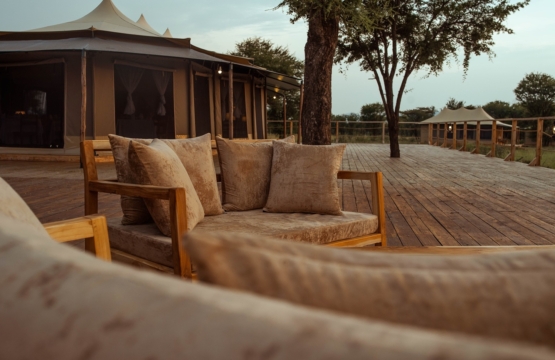
3-Day Tanzania Safari Itinerary: Best Routes, Costs & Where to Stay A 3-day Tanzania safari is a great choice if you have... Read More
 by Safari Lala

A Tanzania safari from Dar es Salaam can be a weekend wildlife escape or the beginning of a longer journey through some of East Africa’s most remarkable national parks. The city is a practical starting point for southern Tanzania, where Mikumi National Park, Nyerere National Park and Ruaha National Park offer very different safari experiences.
The most important decision is choosing the right park for the time available. Mikumi is one of the easiest national parks to reach by road from Dar es Salaam. Nyerere is known for its vast wilderness, boat safaris and wildlife along the Rufiji River. Ruaha offers a more remote safari experience, with large elephant herds, impressive predators and expansive landscapes.
Travellers hoping to see the Serengeti or Ngorongoro Crater can also start in Dar es Salaam, but these northern destinations require more planning. Flying or allowing extra days for transfers can make a significant difference to the experience.
This guide explains how to choose a park, travel from Dar es Salaam, plan the right number of days, estimate the main costs and prepare for a successful Tanzania safari.
The best park depends on your budget, available time and the wildlife experience you want. Travellers with only two or three days should usually prioritise a southern Tanzania destination rather than spending most of the trip travelling to the north.
Mikumi National Park is one of the most convenient choices for travellers leaving Dar es Salaam by road. The park is approximately 280 kilometres from the city, and the journey commonly takes around four to five hours, depending on traffic, stops and road conditions.
Mikumi’s Mkata Floodplain is known for its open grassland, where elephants, giraffes, zebras, buffalo and other wildlife may be seen. Lions also inhabit the park. Its open landscapes can make wildlife easier to spot in some areas, particularly during the dry season.
Mikumi suits first-time safari visitors, families, residents planning a weekend trip and international travellers who want to add a short wildlife experience to a stay in Dar es Salaam.
Two nights is a useful starting point. Travellers can drive to the park, enjoy an afternoon activity if arrival time allows, spend a full day on safari and return to Dar es Salaam the following day. A third night provides more time for game drives and a less rushed journey.
Best for: Short trips, first-time safaris and travellers who prefer road transport.
Nyerere National Park offers a different experience from Mikumi. Its landscapes include the Rufiji River system, lakes, floodplains and extensive woodland. The combination of habitats supports elephants, lions, buffalo, hippos, crocodiles and a wide range of birds. African wild dogs are among the special wildlife attractions of the wider ecosystem.
One of Nyerere’s main advantages is the opportunity to combine conventional game drives with boat safaris on the Rufiji River. From the water, visitors can observe hippos, crocodiles and birds along the riverbanks, while elephants and other wildlife may be visible nearby.
Walking safaris are also available in authorised areas with qualified guides.
Travellers can reach the park by road or by scheduled and charter flights serving relevant airstrips. Road conditions and journey times depend on the route, season and lodge location. A flight can reduce travel time, although the transfer from the airstrip to the accommodation must be arranged.
Plan at least two or three nights if you want to enjoy more than one safari activity without rushing.
Best for: Couples, photographers, wildlife enthusiasts and travellers who want game drives combined with river experiences.
Ruaha National Park is a strong choice for travellers who want a more remote and extensive safari experience. Located in south-central Tanzania, it is known for its large elephant population, substantial buffalo herds, lions, leopards and distinctive landscapes shaped by rivers and woodland.
The Great Ruaha River is an important feature of the park, particularly when water becomes limited elsewhere during the dry season. Ruaha also offers opportunities to see antelope species that are less familiar to many first-time safari travellers, including greater kudu and sable antelope.
Ruaha is much farther from Dar es Salaam than Mikumi. Although road travel is possible, it requires considerably more time and careful planning. Flying to an appropriate airstrip is often the more practical option for travellers with limited holiday time.
Allow at least three nights where possible. The park’s size and remote character reward travellers who can spend several days exploring different areas.
Best for: Experienced safari travellers, wildlife photographers and visitors seeking a quieter, more remote wilderness.
The Serengeti is famous for its extensive savannah, large predator populations and the annual movement of wildebeest and zebra across the Serengeti–Mara ecosystem.
It is possible to begin a Serengeti safari in Dar es Salaam, but the logistics differ from a trip to Mikumi. The northern safari circuit is far away, so travellers commonly arrange a domestic flight, often connecting through another Tanzanian airport, or build a longer overland itinerary.
The Serengeti is not a sensible choice for a quick two-day road safari from Dar es Salaam. A fly-in safari can work for a shorter visit, but travellers must account for flight schedules, airstrip transfers and the location of their camp.
The Great Migration also changes location throughout the year. Southern plains, western corridors and northern areas offer different seasonal opportunities, so choose the camp based on your travel dates rather than assuming every part of the Serengeti will have large herds nearby.
Best for: Travellers with more time or a budget that allows domestic flights and several nights in the northern circuit.
There are three main ways to organise the journey: a road safari with a driver-guide, a self-drive trip where permitted and appropriate, or a fly-in safari.
Driving is particularly practical for Mikumi. The usual route passes through Morogoro along the main highway towards the park. The journey takes several hours, and departure time matters because traffic leaving Dar es Salaam can affect arrival.
For a guided safari, the operator generally arranges the vehicle, driver-guide, accommodation and game drives according to the package. Before booking, confirm whether park fees, meals, accommodation and transfers are included.
Road travel to Nyerere is also possible, but the route and transfer time depend on the entrance and lodge. A four-wheel-drive vehicle may be recommended, particularly during rainy periods or on rougher roads.
Ruaha requires a longer overland journey. Travellers should avoid planning a full day of wildlife viewing immediately after a very long drive unless the itinerary allows enough time to arrive safely and rest.
Domestic flights can be a practical option for Nyerere and Ruaha, and some operators offer flights or charter arrangements for other destinations. Flight availability depends on the season, airline, route and airstrip.
Fly-in safaris are particularly useful when holiday time is limited. However, the total price can be higher because flights, luggage restrictions and transfers are added to the cost.
Before paying, confirm the departure airport, baggage allowance, flight schedule, airstrip transfer and the time you are expected to reach camp. Small safari aircraft often have stricter luggage limits than international airlines.
A combined itinerary can work well for travellers who want to experience more than one park. For example, you could drive from Dar es Salaam to Mikumi and continue to another southern Tanzania destination, then arrange a flight back if the route and schedule permit.
This approach can reduce backtracking, but only when transport, accommodation and park access are coordinated properly. Do not assume that two nearby parks have a direct public transfer or that a road remains suitable in every season.
The length of your trip determines which destinations are realistic.
| Time available | Recommended approach |
|---|---|
| 2 days | A short Mikumi trip, with an early departure and a carefully planned return |
| 3 days | Mikumi with more time for game drives, or a well-coordinated Nyerere trip |
| 4–5 days | Nyerere with several activities, or a more relaxed southern circuit itinerary |
| 6–8 days | Ruaha or a multi-park southern Tanzania safari, depending on transport |
| 7 days or more | A fly-in Serengeti safari or a longer northern circuit itinerary |
These are planning guidelines rather than fixed rules. Road conditions, flight schedules, park entrances and accommodation locations affect how much time you actually have for wildlife viewing.
A safari itinerary should include time for the journey, not just the number of nights advertised at a lodge. A three-night package can feel very different depending on whether the first and last days are spent driving or enjoying game drives.
There is no single price for a safari from Dar es Salaam. The total depends on the park, season, accommodation level, group size, transport and activities.
A budget-conscious road safari to Mikumi will generally cost less than a fly-in luxury safari to Ruaha or the Serengeti. Sharing a vehicle with other travellers can reduce the per-person cost, while a private vehicle gives you greater control over departure times and wildlife stops.
The main costs to compare are:
Transport. This may include a safari vehicle, fuel, driver-guide, flights and transfers. Ask whether the quoted price includes the return journey from Dar es Salaam.
Accommodation. Options range from campsites and simple lodgings to permanent tented camps and luxury lodges. Check the exact property and room category rather than comparing only the advertised package name.
Park fees. National park charges vary according to visitor category, age, activities and other applicable fees. Vehicle charges, camping fees or concession charges may also apply.
Meals and activities. Some packages include full-board accommodation and scheduled game drives. Others charge separately for meals, boat safaris, walking safaris and special activities.
Additional expenses. Budget for drinks, tips, travel insurance, personal purchases and any pre- or post-safari accommodation in Dar es Salaam.
Request a written quote that shows the total cost per person, the number of nights, transport arrangements, included activities and excluded fees. Ask the operator to identify any extra charges that may be payable at the park or lodge.
For a current price comparison, request quotes for the same dates and number of travellers. Comparing a self-drive budget trip with a fly-in luxury package will not provide a meaningful comparison unless their inclusions are clearly stated.
Tanzania offers safari opportunities throughout the year, but seasons influence the scenery, road conditions and ease of wildlife viewing.
The dry season is a popular time to visit Mikumi, Nyerere and Ruaha. Vegetation becomes thinner in many areas, and wildlife may gather around remaining water sources, making animals easier to locate in some habitats.
Demand for popular camps can be high during this period, so book accommodation and flights in advance where possible.
The green season can bring lush scenery, dramatic skies and rewarding birdwatching. Some areas may have fewer visitors, depending on the destination and travel dates.
Rain can also affect road conditions, particularly on less developed routes. Some tracks or activities may become difficult or temporarily unavailable. Check with your lodge or operator before travelling during periods of heavy rain.
For the Serengeti, the location of the wildebeest migration is as important as the month. The herds move in response to rainfall and fresh grazing, and their exact position varies each year.
If witnessing the Great Migration is your priority, choose the region and camp based on current seasonal patterns and the expected location of the herds. River crossings cannot be guaranteed.
A safari from Dar es Salaam requires practical clothing and protection from the sun and insects. The items you need depend on the season and the activities included.
Pack lightweight neutral-coloured clothing, a hat, sunglasses, sunscreen, insect repellent and comfortable closed shoes. A light jacket is useful for early-morning drives, when temperatures can be cool.
Bring binoculars if you have them, along with a camera or phone and enough charging equipment for the trip. Remote camps may have limited charging times or power availability, so confirm the arrangements with your accommodation.
Keep essential medication in your hand luggage and bring travel documents, booking confirmations and suitable travel insurance. If you are flying to a bush airstrip, check the airline’s baggage weight and bag-size limits before packing.
Consult a healthcare professional or travel clinic before visiting Tanzania for advice about malaria prevention, recommended vaccinations and other travel-health precautions. The right advice depends on your itinerary, length of stay and individual circumstances.
Use insect repellent, wear suitable clothing and follow your healthcare professional’s guidance on preventive medication. Carry drinking water and protect yourself from strong sunlight, particularly during long game drives.
Wild animals are not domesticated, even when they appear accustomed to safari vehicles. Follow your guide’s instructions, remain inside the vehicle except in designated safe areas and never approach or feed wildlife.
For boat safaris, follow the guide’s safety briefing and use the required safety equipment. For walking safaris, stay with an authorised guide and follow all instructions.
Booking in advance is recommended when you have fixed travel dates, want a particular lodge or plan to fly to a remote park. Advance booking is especially useful during busy travel periods and school holidays.
A reliable safari operator should explain the itinerary clearly, identify the accommodation, outline what the package includes and provide the transport arrangements. Ask for the exact number of game drives and whether any activities require additional payment.
If your schedule is flexible, you may have more options, but do not assume that the best lodge or flight will still be available at short notice.
Before making a deposit, read the cancellation policy, confirm payment terms and check that the business has verifiable contact details. Keep written copies of the itinerary and payment receipts.
Day 1: Leave Dar es Salaam early and travel to Mikumi. Depending on arrival time and the package, enjoy an afternoon game drive.
Day 2: Spend the day exploring Mikumi’s wildlife areas with a guide. The Mkata Floodplain is a key area for searching for elephants, buffalo, giraffes, zebras and predators.
Day 3: Enjoy an early activity if the schedule allows, then return to Dar es Salaam.
This itinerary is a good fit for a first safari or a short break. Confirm the actual game-drive schedule because the driving distance and arrival time can limit activities on the first and final days.
Day 1: Travel to Nyerere by road or fly to an appropriate airstrip, followed by the arranged transfer to your camp.
Day 2: Take a guided game drive to explore the park’s landscapes and wildlife.
Day 3: Combine a boat safari on the Rufiji River with another activity, subject to the lodge’s schedule and conditions.
Day 4: Return to Dar es Salaam by the transport method arranged in advance.
This itinerary allows more time to enjoy Nyerere’s different habitats and river activities than a rushed visit.
A longer trip can combine Mikumi with Nyerere or Ruaha, depending on the route and transport available. The itinerary should be planned around realistic driving times, park access and accommodation locations.
A multi-park trip offers a broader experience, but adding more destinations is not automatically better. Two well-chosen parks with sufficient time for game drives can provide a more rewarding holiday than a schedule dominated by transfers.
A day trip may be possible in certain circumstances, but Mikumi is several hours away by road. A one-day visit involves a long return journey and limited time for wildlife viewing. An overnight stay is usually a better option.
Mikumi is generally easier for a short road trip. Nyerere is more suitable if you want a broader wilderness experience with options such as boat safaris and guided walks. The better choice depends on how many days you have and what you want to experience.
Mikumi has elephants, lions, buffalo and leopards, but sightings vary and are never guaranteed. Do not assume you will see all five Big Five species during a short visit. Choose a longer itinerary if seeing a particular species is a high priority.
Yes. You can arrange a flight-based safari or a longer overland itinerary. Because the Serengeti is far from Dar es Salaam, it is important to allow enough time for transport and game drives.
Some packages include park fees, while others list them separately. Ask the operator to specify all included and excluded charges in writing before booking.
A private safari gives your group more control over departure times, stops and the pace of game drives. A shared safari may be more affordable per person. The best option depends on your budget, group size and preferred level of flexibility.
The best Tanzania safari from Dar es Salaam starts with choosing a destination that fits your available time. Mikumi is a practical choice for a short trip, Nyerere offers a distinctive combination of wildlife and river activities, and Ruaha rewards travellers who can spend longer in the wilderness. The Serengeti is an excellent option when you have enough time and budget to organise the northern circuit.
Confirm transport, accommodation, park fees and activities before paying. Allow enough time for the journey, choose the season that suits your interests and avoid trying to fit too many parks into a short holiday.
A well-planned safari does not need to be long to be memorable. The right park, a knowledgeable guide and enough time to observe wildlife can make a short trip from Dar es Salaam a rewarding introduction to Tanzania’s national parks.

3-Day Tanzania Safari Itinerary: Best Routes, Costs & Where to Stay A 3-day Tanzania safari is a great choice if you have... Read More
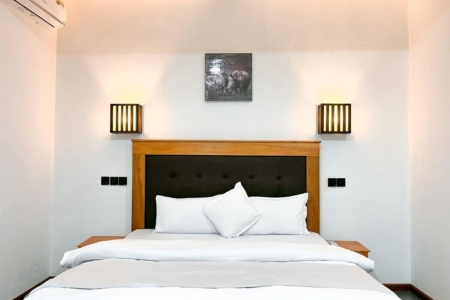
Moshi is one of the best places to stay before climbing Mount Kilimanjaro. Located in northern Tanzania, near the mountain’s southern slopes,... Read More
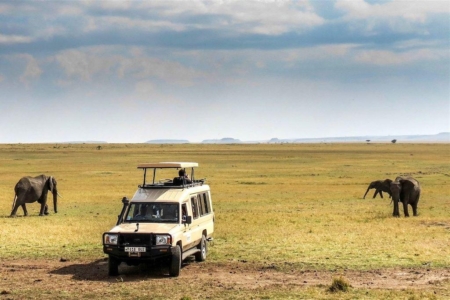
Planning a safari in Tanzania involves more than choosing national parks and wildlife experiences. You also need to decide where to spend... Read More
Join The Discussion