
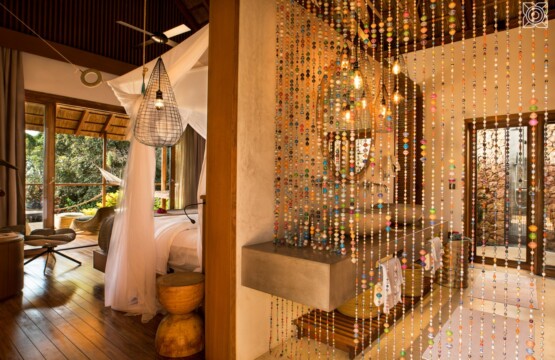

Affordable Luxury Beach Resorts in Zanzibar
- September 25, 2026
- Accomodations, For Travelers
Zanzibar is famous for white-sand beaches, turquoise water, palm trees and beautiful beach resorts. It is also one of the easiest places... Read More
 by Safari Lala
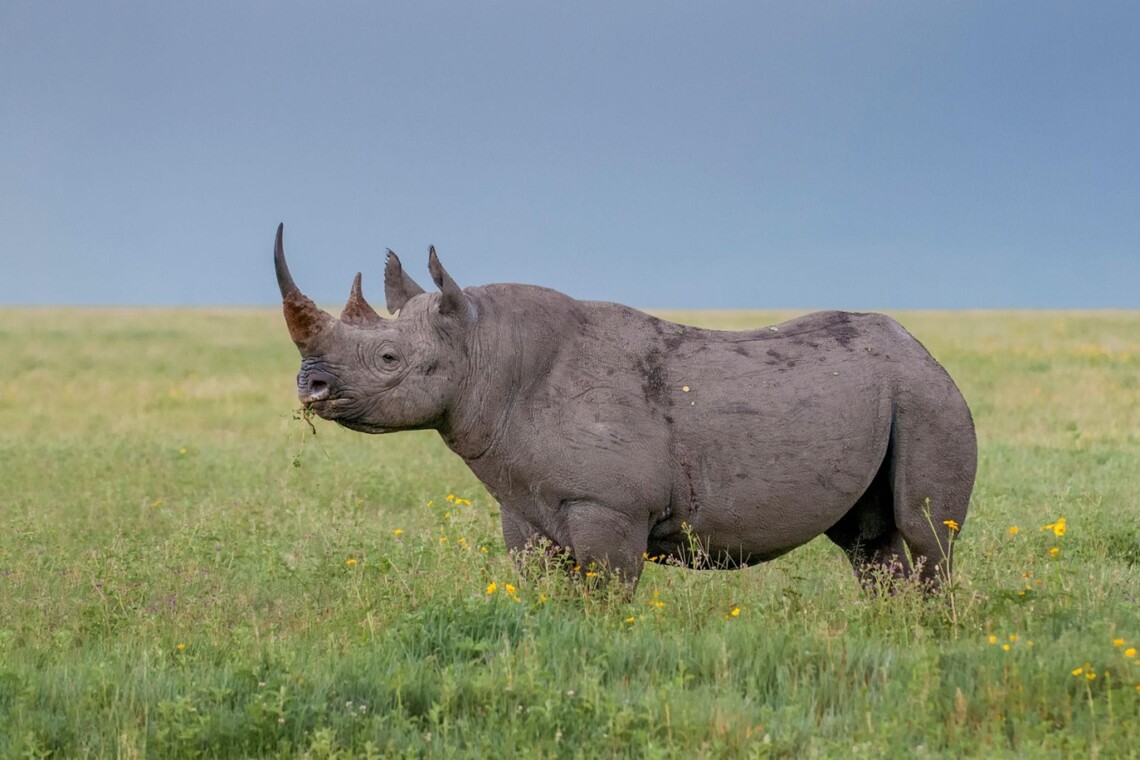
Tanzania remains one of the most sought-after safari destinations in Africa. Every year, thousands of travelers visit the country to witness incredible wildlife, breathtaking landscapes, and world-famous national parks. From the endless plains of the Serengeti to the dramatic scenery of the Ngorongoro Crater, Tanzania offers unforgettable safari experiences for visitors from around the world. Before booking a trip, one of the most important questions travelers ask is how much a Tanzania safari costs in 2026.
The answer depends on several factors. The duration of the safari, the type of accommodation, the season of travel, and the number of people in the group all influence the final price. Some travelers choose budget camping adventures that keep costs low. Others prefer luxury lodges with premium services and exclusive wildlife experiences. Most visitors fall somewhere in the middle and select comfortable mid-range safari packages.
Safari prices in Tanzania are often higher than travelers initially expect. This is because a safari includes many different components. Park entrance fees, conservation charges, guide services, accommodation, meals, transportation, fuel, and vehicle maintenance all contribute to the overall cost. Tanzania also invests heavily in wildlife conservation, which helps protect the country’s natural resources and ensures future generations can enjoy the same incredible experiences.
Understanding safari pricing helps travelers create realistic budgets and avoid surprises. It also helps compare safari packages accurately. A lower-priced safari may not include the same services or accommodations as a more expensive option. Looking beyond the advertised price is essential when evaluating safari offers.
In this guide, you will learn everything you need to know about Tanzania safari costs in 2026. We will explore budget safaris, mid-range packages, luxury experiences, park fees, transportation costs, accommodation prices, and money-saving tips. By the end of this article, you will have a clear understanding of how much to budget for your dream safari in Tanzania.
Safari costs in Tanzania vary widely depending on the style of travel. A budget traveler can spend significantly less than someone booking an exclusive luxury safari. However, all safari categories provide opportunities to see Tanzania’s famous wildlife and landscapes. The main differences involve comfort, accommodation quality, group size, and personalized services.
The table below shows average Tanzania safari costs in 2026.
| Safari Type | Cost Per Person Per Day | 5-Day Safari | 7-Day Safari |
|---|---|---|---|
| Budget Safari | $200–$400 | $1,000–$2,000 | $1,400–$2,800 |
| Mid-Range Safari | $400–$800 | $2,000–$4,000 | $2,800–$5,600 |
| Luxury Safari | $850–$1,500 | $4,250–$7,500 | $5,950–$10,500 |
| Ultra Luxury Safari | $1,500–$3,000+ | $7,500–$15,000+ | $10,500–$21,000+ |
These figures typically include accommodation, meals, safari vehicle, professional guide services, park entry fees, and game drives. International flights, travel insurance, visas, drinks, tips, and optional activities are usually excluded.
Many first-time visitors are surprised by the price of a safari. However, once they understand the costs involved in operating safari vehicles, maintaining roads inside protected areas, paying conservation fees, and providing quality guiding services, the pricing becomes easier to understand. Tanzania’s safari industry supports thousands of jobs and contributes significantly to wildlife conservation efforts throughout the country.
Travelers planning their first safari often find mid-range packages provide the best combination of comfort and value. These safaris allow visitors to enjoy quality lodges, excellent wildlife viewing, and professional services without reaching luxury-level prices.
Several factors influence how much a Tanzania safari costs in 2026. Understanding these factors helps travelers choose packages that match both their expectations and budget. The most important element is accommodation. Lodges and camps vary dramatically in price. A budget campsite may cost less than fifty dollars per night, while an ultra-luxury safari lodge can exceed one thousand dollars per night for a single guest.
The number of days also affects the final cost. Longer safaris naturally require additional accommodation, meals, fuel, and park fees. However, longer itineraries often provide better value because fixed costs such as vehicle preparation and airport transfers are spread across more days.
The season of travel plays a major role in pricing. Peak safari season typically runs from June through October when weather conditions are dry and wildlife viewing is excellent. During this period, accommodation rates increase significantly due to high demand. Travelers visiting during low season often benefit from substantial discounts.
Group size is another important factor. Private safaris cost more because transportation expenses are shared among fewer people. A solo traveler may pay significantly more than someone joining a group tour. Families and small groups often achieve better value because they can split vehicle and guide costs.
The destinations included in the itinerary also matter. National parks have different entrance fees and conservation charges. Visiting the Serengeti and Ngorongoro typically costs more than visiting smaller parks because these destinations have higher conservation fees and stronger international demand.
Finally, the level of service influences pricing. Private guides, luxury vehicles, domestic flights, premium meals, and exclusive wildlife experiences all increase safari costs. Travelers should evaluate what is included in each package to determine whether the additional expense provides meaningful value.
Budget safaris remain popular among backpackers, students, and travelers who want to experience Tanzania’s wildlife while minimizing expenses. These safaris provide access to the same national parks visited by luxury travelers. The wildlife experience is often nearly identical. The primary differences involve accommodation, transportation arrangements, and overall comfort.
Budget safaris typically use public campsites or simple lodges. Travelers may share safari vehicles with other guests to reduce costs. Meals are generally prepared by safari cooks and served at campsites. While the facilities are more basic, many visitors appreciate the authentic outdoor experience and social atmosphere.
A typical budget safari costs between two hundred and four hundred dollars per person per day. A five-day safari may cost between one thousand and two thousand dollars. Seven-day itineraries often range from fourteen hundred to twenty-eight hundred dollars per person depending on destinations and group size.
Many budget safaris include visits to Tarangire National Park, Lake Manyara National Park, Serengeti National Park, and Ngorongoro Crater. These destinations provide excellent wildlife viewing opportunities including elephants, lions, zebras, giraffes, and wildebeest.
Budget safaris appeal to travelers who prioritize wildlife experiences over luxury accommodations. Many guests spend most of their day exploring parks and return to camp only for meals and sleep. As a result, they often see little reason to pay significantly higher accommodation prices.
Despite lower costs, budget safaris still require professional guides, reliable vehicles, and payment of national park fees. These essential elements ensure visitors enjoy safe and rewarding wildlife experiences throughout their journey.
Mid-range safaris represent the most popular safari category in Tanzania. They offer a comfortable balance between affordability and quality. Most international visitors choose this option because it provides excellent accommodations without the premium pricing associated with luxury travel.
Mid-range safaris typically include lodge accommodation or permanent tented camps with private bathrooms. Guests enjoy comfortable beds, quality dining, hot showers, and attractive surroundings. Many properties feature swimming pools, gardens, and beautiful views of the surrounding landscape.
The average mid-range safari costs between four hundred and eight hundred dollars per person per day. A five-day safari generally ranges from two thousand to four thousand dollars per person. Seven-day itineraries often cost between twenty-eight hundred and fifty-six hundred dollars.
These safaris commonly visit Tanzania’s most famous destinations including Serengeti National Park, Ngorongoro Conservation Area, Tarangire National Park, and Lake Manyara National Park. Travelers benefit from professional guides, customized itineraries, and comfortable transportation.
One reason mid-range safaris are so popular is the excellent value they provide. Visitors receive quality accommodation and personalized service while avoiding the significantly higher prices of luxury camps. The difference in wildlife viewing between mid-range and luxury safaris is often minimal because both categories visit the same protected areas.
For travelers seeking comfort, convenience, and memorable wildlife experiences, mid-range safaris often represent the ideal choice. They balance cost and quality effectively while providing access to some of Africa’s most remarkable safari destinations.
Luxury safaris are designed for travelers seeking exceptional comfort, personalized service, and exclusive experiences. These safaris combine world-class accommodation with outstanding wildlife viewing opportunities. Guests enjoy elegant lodges, gourmet dining, private guides, and carefully curated itineraries.
Luxury accommodations often occupy prime locations within or near major wildlife areas. Many lodges feature spacious suites, private verandas, infinity pools, spa facilities, and breathtaking views. Some camps provide intimate settings with only a handful of guest tents, creating highly personalized experiences.
Luxury safari prices typically start around eight hundred and fifty dollars per person per day. Many properties charge over fifteen hundred dollars daily during peak season. A seven-day luxury safari can easily exceed ten thousand dollars per person depending on destinations and included services.
The higher cost reflects the premium nature of the experience. Luxury operators invest heavily in staff training, accommodation quality, vehicle maintenance, and guest services. Many properties also support local communities and conservation initiatives through tourism revenue.
Travelers choosing luxury safaris often value privacy and exclusivity. Private vehicles allow flexible schedules and customized wildlife viewing experiences. Guests can spend more time observing specific animals without following fixed group itineraries.
While luxury safaris require substantial investment, many travelers consider them once-in-a-lifetime experiences. The combination of comfort, service, and wildlife encounters creates unforgettable memories that justify the higher cost for many visitors.
National park fees form a significant portion of Tanzania safari costs. These charges support wildlife conservation, park maintenance, anti-poaching programs, infrastructure development, and community projects. Every visitor contributes directly to protecting Tanzania’s natural heritage through these fees.
The table below highlights some of the most important park fees travelers encounter in 2026.
| National Park | Approximate Entry Fee Per Adult |
|---|---|
| Serengeti National Park | $83 |
| Ngorongoro Conservation Area | $80 |
| Tarangire National Park | $53 |
| Lake Manyara National Park | $53 |
| Arusha National Park | $45 |
In addition to entry fees, Ngorongoro Conservation Area charges a separate crater service fee for vehicles descending into the crater. This fee significantly increases safari costs but supports conservation efforts within one of Africa’s most important wildlife areas.
Park fees are generally fixed and apply equally to all visitors regardless of which safari operator they choose. This means price differences between safari packages are usually related to accommodation, transportation, and service levels rather than park entrance charges.
Many travelers initially view park fees as expensive. However, these contributions help maintain some of the world’s most important wildlife ecosystems. Without conservation funding, Tanzania’s extraordinary wildlife populations would face greater threats from habitat loss and illegal activities.
Understanding park fees helps travelers appreciate how their safari investment supports long-term conservation and sustainable tourism initiatives across Tanzania.
Accommodation is often the largest component of a Tanzania safari budget. Prices vary significantly depending on location, comfort level, season, and property reputation. Understanding accommodation categories helps travelers make informed decisions when selecting safari packages.
Budget campsites and simple lodges provide the most affordable options. These accommodations focus on practicality and comfort without unnecessary luxury. Travelers enjoy basic facilities while keeping overall safari costs manageable.
Mid-range lodges offer a higher level of comfort. Guests typically enjoy private bathrooms, comfortable beds, quality dining, and attractive surroundings. Many properties blend modern amenities with traditional African design elements.
Luxury lodges and tented camps represent the highest accommodation category. These properties emphasize exclusivity, personalized service, and premium facilities. Guests may enjoy private plunge pools, spa treatments, gourmet meals, and exceptional views.
Seasonality strongly influences accommodation pricing. Peak season rates can be substantially higher than low season prices. Travelers willing to visit during quieter periods often secure significant savings while still enjoying excellent wildlife viewing opportunities.
Accommodation choice affects overall safari costs more than almost any other factor. Travelers should carefully evaluate whether premium accommodations align with their priorities and budget. For many visitors, mid-range properties provide the ideal balance between comfort and affordability.
Transportation plays a crucial role in safari pricing. Tanzania’s national parks cover vast areas, and reaching them requires specialized vehicles capable of handling rough terrain. Safari operators invest heavily in maintaining reliable transportation systems that ensure guest safety and comfort.
Most safaris use four-wheel-drive vehicles equipped with pop-up roofs for wildlife viewing. These vehicles require regular maintenance and fuel. Drivers and guides must also possess extensive training and experience. All these factors contribute to operational costs.
Private safaris generally cost more because vehicle expenses are shared among fewer travelers. Group safaris reduce individual costs by distributing transportation expenses across multiple participants. This explains why joining a shared safari often results in lower overall prices.
Some luxury itineraries include domestic flights between destinations. Flying reduces travel time and increases comfort but significantly raises safari costs. These flights are particularly common for visitors combining multiple remote destinations within a limited timeframe.
Airport transfers also contribute to safari expenses. Many operators include transportation between airports, hotels, and safari departure points. Travelers should confirm whether these services are included when comparing safari packages.
Reliable transportation is essential for successful wildlife viewing. Well-maintained vehicles and experienced guides help ensure visitors enjoy safe and rewarding experiences throughout their safari adventure.
The timing of a safari has a major impact on cost. Tanzania experiences distinct travel seasons that influence accommodation rates, availability, and overall package prices. Understanding these seasonal patterns helps travelers maximize value.
Peak season generally occurs from June through October. This period offers dry weather and excellent wildlife viewing. However, it is also the most expensive time to visit. Accommodation rates increase significantly, and popular lodges often book months in advance.
The low season usually occurs during April and May when rainfall is highest. During this period, many lodges offer substantial discounts. Travelers willing to accept occasional rain can save considerable amounts while enjoying quieter parks and beautiful green landscapes.
The shoulder seasons between peak and low periods often provide the best balance between price and experience. January, February, March, and November frequently offer excellent wildlife viewing conditions combined with lower accommodation rates.
Many experienced travelers intentionally avoid peak season because they prefer fewer crowds and better pricing. Wildlife viewing remains excellent throughout much of the year, particularly in Tanzania’s major national parks.
Selecting the right travel dates can reduce safari costs dramatically without compromising the overall quality of the experience.
A Tanzania safari is one of the most rewarding travel experiences available anywhere in the world. The opportunity to witness lions hunting across the Serengeti, elephants roaming through Tarangire, and the incredible wildlife concentration within Ngorongoro Crater creates memories that last a lifetime. While safari prices may initially appear high, they reflect the significant costs involved in conservation, transportation, accommodation, and professional guiding services.
In 2026, travelers can expect to spend between one thousand and three thousand dollars for a budget safari, between three thousand and six thousand dollars for a quality mid-range experience, and significantly more for luxury adventures. The final cost depends on accommodation standards, travel dates, group size, and itinerary design.
For most visitors, mid-range safaris provide the best value. They offer comfortable accommodation, excellent wildlife viewing, professional guides, and memorable experiences without the premium prices associated with luxury travel. Budget safaris remain attractive for adventurous travelers, while luxury options deliver unmatched comfort and exclusivity.
Planning ahead is one of the best ways to control safari expenses. Booking early, traveling during shoulder seasons, and comparing multiple itineraries can help secure better prices. Understanding what is included in each package also prevents unexpected costs later.
Ultimately, a Tanzania safari is an investment in an extraordinary experience. The country’s incredible wildlife, stunning landscapes, and welcoming hospitality continue to attract travelers from around the world. With proper planning and realistic budgeting, visitors can enjoy one of Africa’s greatest adventures while finding a safari option that matches their financial goals and travel expectations.
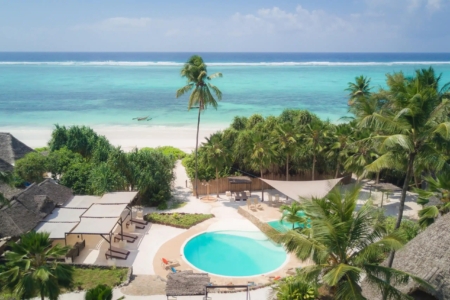
Zanzibar is famous for white-sand beaches, turquoise water, palm trees and beautiful beach resorts. It is also one of the easiest places... Read More
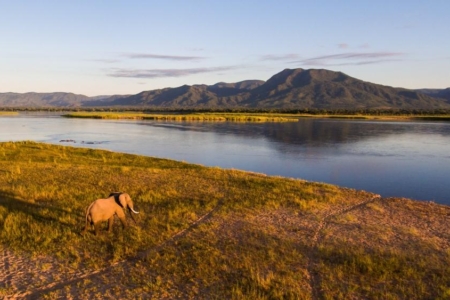
Mana Pools National Park is one of Zimbabwe’s most remarkable safari destinations. Located along the Zambezi River in northern Zimbabwe, the park... Read More
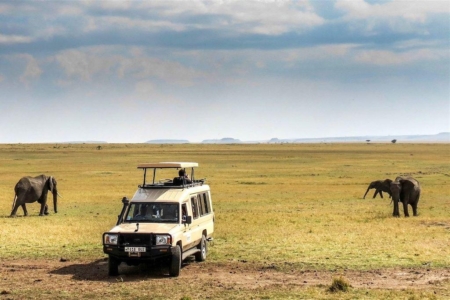
Africa is one of the world’s most diverse travel continents. A single trip can take you from the beaches of Zanzibar to... Read More

Zanzibar is famous for white-sand beaches,... Read More
Mana Pools National Park is one... Read More
Africa is one of the world’s... Read More
Join The Discussion