

Tanzania Group Joining Safari: Where to Stay Before Your Safari
- September 29, 2026
- For Travelers
A Tanzania group joining safari is a shared safari where you travel with other people in the same safari vehicle instead of... Read More
 by Safari Lala

Selous Game Reserve has been named Africa’s Leading Tourist Attraction 2026 at the World Travel Awards, giving Tanzania another major international tourism accolade and placing one of the country’s most extraordinary wilderness areas firmly in the global spotlight.
The announcement was made following the 2026 World Travel Awards Africa Gala Ceremony, held on August 28, 2026, at Diamonds Bijoux Resort in Bwejuu, Zanzibar. Selous emerged as the winner of one of Africa’s most prominent tourism categories, following a strong showing by Tanzania across several award categories.
The recognition comes at an important time for Tanzania’s tourism industry. The country was also named Africa’s Leading Destination 2026, while the Tanzania Tourist Board received the award for Africa’s Leading Tourist Board 2026 for the fifth consecutive year. Serengeti National Park, Kilimanjaro National Park, Tarangire National Park and Nyerere National Park also received major continental recognition.
For travellers searching for a Tanzania safari in 2026, the Selous award provides another reason to look beyond the country’s famous northern safari circuit and explore the vast wilderness of southern Tanzania.
The World Travel Awards has officially recorded Selous Game Reserve, Tanzania, as the winner of Africa’s Leading Tourist Attraction 2026.
The award is particularly significant because Selous joins a distinguished list of African attractions that have previously received the title. In 2025, the award went to Tanzania’s Ngorongoro Conservation Area, while Mount Kilimanjaro won in 2024.
Selous therefore continues Tanzania’s remarkable presence in the category.
The 2026 victory also puts the reserve ahead of some of Africa’s most recognised attractions and destinations, making the award a significant international endorsement of Tanzania’s wildlife tourism potential.
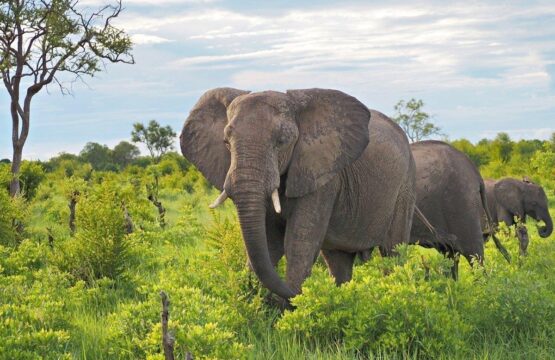
For Tanzania, the achievement is about more than another tourism trophy. It highlights the country’s ability to offer different types of safari experiences, from the Great Wildebeest Migration in the Serengeti to elephant encounters in Tarangire and river-based wildlife experiences in the Selous and Nyerere ecosystem.
Selous is different from many of the safari destinations that international travellers associate with Tanzania.
The landscape is dominated by enormous wilderness areas, woodlands, grasslands, wetlands and the Rufiji River system. UNESCO describes the Selous property as one of Africa’s largest protected areas, covering approximately 50,000 square kilometres, with an exceptional diversity of habitats including miombo woodlands, open grasslands, riverine forests and swamps.
This combination of habitats supports a remarkable variety of wildlife.
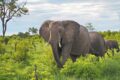
Visitors can encounter elephants, buffalo, lions, giraffes, hippos, crocodiles and other African wildlife. The area is also particularly famous among wildlife enthusiasts for African wild dogs.
Unlike some of the busier safari destinations, the southern Tanzania experience is often associated with space, remoteness and a stronger sense of wilderness.
That atmosphere is one of Selous’ greatest attractions.
One important point for travellers planning a Selous safari in 2026 is the relationship between Selous Game Reserve and Nyerere National Park.
The former Selous Game Reserve was reorganised in 2019. The northern photographic tourism area became Nyerere National Park, while the southern section retained the Selous Game Reserve designation and has different management and tourism uses.
This means that many safari websites and travel companies still use “Selous” when discussing the broader destination, even though travellers booking photographic safaris are often visiting Nyerere National Park.
For tourists, this distinction is important when choosing accommodation and safari activities.
The photographic tourism area around the Rufiji River is particularly well known for game drives, boat safaris and walking experiences. Current travel information also notes that the northern photographic sector is the area where most major photographic safari camps are located.
One of the biggest reasons the Selous area deserves its new international recognition is the variety of experiences available.
A traditional game drive remains an important part of a safari, but the Rufiji River creates opportunities for something different: boat safaris.
Travellers can explore waterways surrounded by wildlife and observe hippos, crocodiles and birds from the river. The experience offers a completely different perspective from viewing wildlife from a safari vehicle.
Walking safaris are another attraction.
With an experienced professional guide, visitors can explore parts of the wilderness on foot, learning about animal tracks, plants, insects, birds and smaller details that can easily be missed during a vehicle safari.
This combination of game drives, walking and boating makes the southern safari experience particularly appealing to travellers who want more than conventional wildlife viewing.
The recognition comes as Tanzania is enjoying a particularly strong year at the World Travel Awards.
In addition to Selous being named Africa’s Leading Tourist Attraction, Tanzania was named Africa’s Leading Destination 2026. Serengeti National Park won Africa’s Leading National Park, Kilimanjaro National Park won Africa’s Leading Mountain National Park, Tarangire was recognised as Africa’s Leading Elephant Paradise National Park, and Nyerere National Park was named Africa’s Leading Scenic National Park.
Zanzibar also won Africa’s Leading Beach Destination 2026, reinforcing Tanzania’s ability to combine safari and beach holidays.
This matters because Tanzania is not dependent on a single attraction.
A traveller can visit the Serengeti for the Great Wildebeest Migration, explore Ngorongoro, see elephants in Tarangire, climb Kilimanjaro, experience the waterways of the Selous and Nyerere ecosystem and then finish the trip on the beaches of Zanzibar.
That diversity is one of Tanzania’s strongest advantages as a tourism destination.
For travellers considering a Selous safari, the dry season is generally considered one of the best periods for wildlife viewing.
From around July through October and into November, water becomes increasingly important to wildlife, and animals tend to concentrate around permanent rivers, lakes and other water sources.
The Rufiji River is especially important during this period.
The dry season can therefore offer excellent opportunities for wildlife viewing while also providing favourable conditions for many safari activities.
However, the best time depends on what a traveller wants from the trip. Green-season travel can provide lush landscapes, fewer visitors and strong opportunities for birdwatching and photography.
Selous and Nyerere can work particularly well as part of a southern Tanzania safari itinerary.
Travellers arriving through Dar es Salaam can combine a safari in the Nyerere area with destinations such as Mikumi National Park, Ruaha National Park or the Udzungwa Mountains, depending on available time and interests.
Another option is to combine a southern safari with Zanzibar.
This creates a classic Tanzania holiday: several days in the wilderness followed by time on the Indian Ocean coast.
For international visitors who want to experience Tanzania without spending their entire trip in the northern circuit, a southern itinerary can provide a quieter and more varied safari experience.
The answer is increasingly yes.
The World Travel Awards recognition gives Selous another reason to be on the radar of international travellers, but the attraction itself goes well beyond the award.
Its enormous wilderness, waterways, wildlife and range of safari activities make it fundamentally different from the better-known safari destinations of northern Tanzania.
The award may also help introduce Selous and southern Tanzania to travellers who previously knew only the Serengeti, Ngorongoro and Mount Kilimanjaro.
For travellers seeking a less crowded Tanzania safari, the southern circuit can be particularly appealing.
It offers a sense of exploration that is difficult to replicate in heavily visited safari destinations.
The Africa’s Leading Tourist Attraction 2026 award is therefore more than recognition for Selous Game Reserve.
It is a major opportunity for Tanzania’s southern tourism circuit.
The Tanzania Wildlife Management Authority (TAWA), which manages Selous and other wildlife areas, has highlighted the award as an important platform for increasing destination visibility, attracting visitors and supporting responsible investment, conservation and tourism development.
The challenge now is to ensure that increased international attention translates into sustainable tourism while protecting the wilderness that made Selous famous in the first place.
UNESCO continues to recognise the Selous property for its exceptional ecological importance and biodiversity, while also raising concerns about the effects of major infrastructure and extractive developments on its World Heritage values.
That makes responsible tourism and conservation particularly important as visitor interest grows.
The announcement that Selous Game Reserve is Africa’s Leading Tourist Attraction 2026 gives Tanzania another major achievement on the international tourism stage.
It also sends a clear message to safari travellers: Tanzania’s wildlife story extends far beyond the Serengeti.
From the Rufiji River and its hippos and crocodiles to elephants, wild dogs and expansive wilderness, Selous represents a different side of the Tanzanian safari experience.
Combined with Tanzania’s other 2026 World Travel Awards successes, the recognition strengthens the country’s reputation as one of Africa’s most diverse tourism destinations.
For travellers planning a Tanzania safari in 2026, Selous and the wider southern circuit deserve serious consideration.
The award may have put Selous in the international spotlight, but its greatest attraction remains the same — an extraordinary wilderness where the landscape, rivers and wildlife create the experience.

A Tanzania group joining safari is a shared safari where you travel with other people in the same safari vehicle instead of... Read More
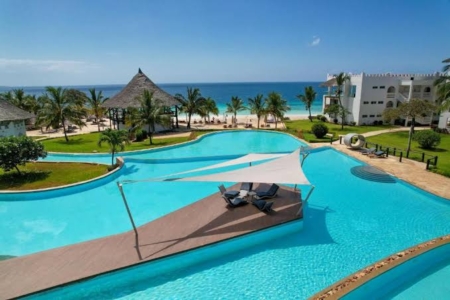
Zanzibar is more than a beach destination. The island is famous for its white-sand beaches and turquoise Indian Ocean, but there is... Read More
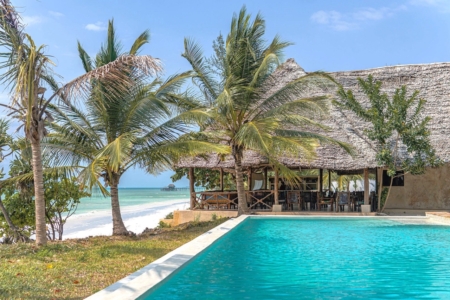
Paje is one of the most popular places to stay on Zanzibar’s southeast coast. The village is known for its wide white-sand... Read More
A Tanzania group joining safari is... Read More

Zanzibar is more than a beach... Read More

Paje is one of the most... Read More
Join The Discussion