


3-Day Tanzania Safari Itinerary: Best Routes, Costs & Where to Stay
- November 2, 2026
- For Travelers, Travel Guide
3-Day Tanzania Safari Itinerary: Best Routes, Costs & Where to Stay A 3-day Tanzania safari is a great choice if you have... Read More
 by Safari Lala
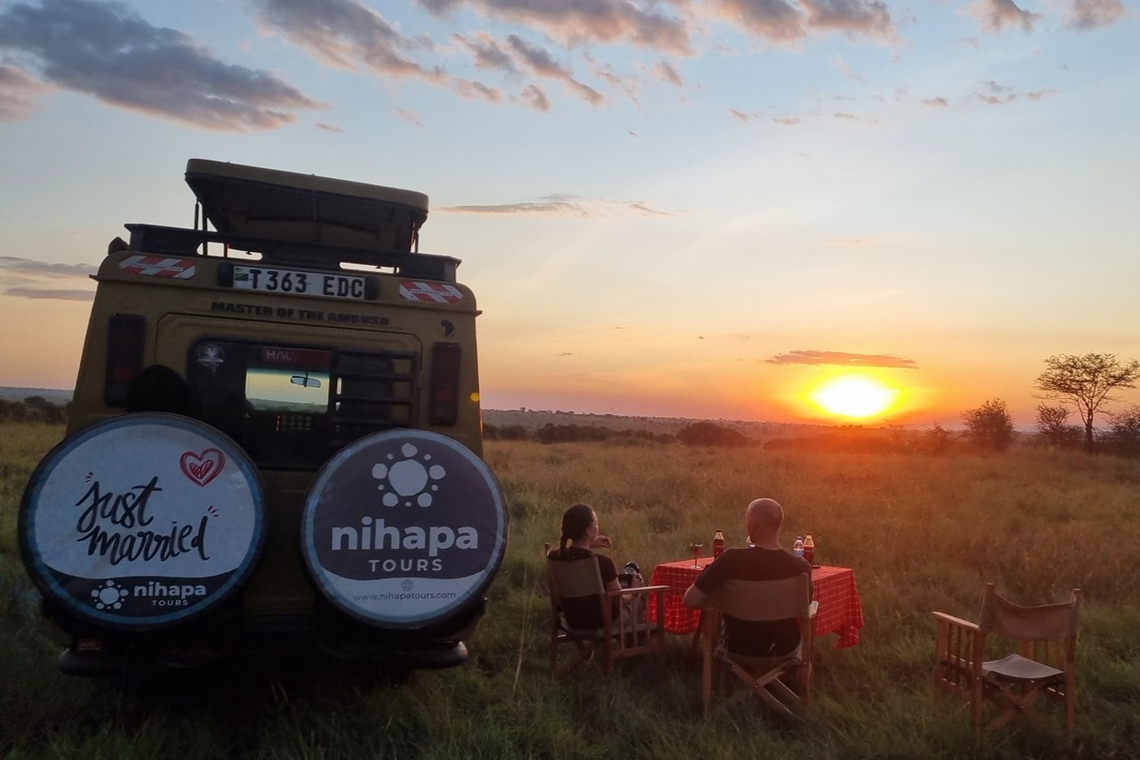
Planning a safari in Tanzania involves more than choosing between the Serengeti, Ngorongoro Crater and Tarangire National Park. You also need to decide who will organise your trip.
You can book directly with a safari operator based in Tanzania or use an international travel agency in your home country. Both options can lead to an excellent safari, but they differ in pricing, communication, flexibility and the support available when plans change.
For many travellers planning a safari entirely within Tanzania, a reputable local operator is worth considering first. However, an international agency may be a better choice if you want one company to arrange international flights, multiple destinations and additional financial protections.
The important thing is to understand who will actually operate your safari and what you receive for the price you pay.
A local Tanzania safari operator is a company based in Tanzania that organises and operates safaris within the country. Many are based in Arusha, the main starting point for northern circuit safaris.
Depending on the company, it may employ its own driver-guides, operate its own 4×4 safari vehicles, arrange accommodation and coordinate park entry, airport transfers and other activities.
For example, if you book a seven-day safari covering Tarangire, Serengeti and Ngorongoro directly with a local operator, you communicate with the company responsible for arranging and delivering those safari services.
This gives you a direct contact for discussing your itinerary, accommodation preferences, budget and special requests before you arrive.
Not every local operator owns its vehicles or employs every member of the team directly. Some work with contracted guides, transport providers and accommodation partners. What matters is whether the company is properly licensed, transparent about its arrangements and accountable for the trip.
An international travel agency sells holidays to travellers from another country. It might be based in the United States, the United Kingdom, Germany or elsewhere.
Some international agencies specialise in African safaris, while others organise broader holidays that combine flights, hotels, transfers and activities.
There are two common business models. An international agency may design and manage the holiday while hiring a Tanzanian company to operate the safari. Alternatively, it may have its own destination team or an established local subsidiary.
In the first arrangement, the Tanzanian operator supplies the vehicle, guide, park arrangements and other services on the ground. The international agency manages the relationship with the traveller and charges for its planning, sales and support services.
This arrangement is not automatically a disadvantage. A good agency can provide valuable expertise, coordinate complicated travel plans and offer financial protection under the rules applicable to its business and the package you purchase.
The key question is whether the agency adds enough value to justify booking through it rather than directly with the local operator.
| Factor | Local Tanzania operator | International travel agency |
|---|---|---|
| Price | Often competitive for ground arrangements | May include an additional agency margin |
| Local knowledge | Direct access to a team based in Tanzania | Depends on the agency and its local partners |
| Customisation | Often easier to discuss changes directly | Varies by agency and package |
| Communication | Direct contact with the operating company | One contact for the overall booking, sometimes separate from the ground operator |
| International flights | Often booked separately | May be included in the package |
| Financial protection | Depends on the provider, payment method and applicable arrangements | May offer additional protection under its home-country rules |
| On-the-ground support | Can coordinate directly with the local team | Depends on its relationship with the local operator |
| Best suited to | Travellers prioritising local expertise, flexibility and value | Travellers seeking broader holiday planning and a single booking contact |
Neither option guarantees a better guide, a better vehicle or better wildlife sightings. These depend on the actual operator, the people delivering the safari, the itinerary and the conditions during your visit.
For a safari that takes place entirely in Tanzania, booking directly with a reputable local operator can offer better value.
An international agency may charge a margin for designing the itinerary, managing bookings, marketing its services and providing customer support. That cost can increase the total price compared with purchasing equivalent ground arrangements directly.
However, there is no universal percentage difference. Some international agencies negotiate competitive accommodation rates, while some local companies charge premium prices for specialist guides, luxury camps or highly personalised service.
The fairest comparison is between two detailed quotations for the same trip.
Imagine you receive two quotes for a private seven-day safari for two people. Both include the same parks, accommodation, room categories, private 4×4 vehicle, driver-guide, meals and park fees. If one costs considerably more, ask what explains the difference.
The higher price might include international flights, additional nights, more comprehensive support or financial protection. It might also reflect an agency margin. You need to establish which applies before deciding.
Do not compare prices based only on the number of safari days. A seven-day trip staying in comfortable lodges is not directly comparable to one using luxury tented camps, internal flights and premium services.
A strong local operator has an important advantage: its team works in the destination it is selling.
For a northern Tanzania safari, local knowledge can help you decide how to divide your time between Tarangire, Serengeti and Ngorongoro. It can also help with seasonal camp locations, road transfers, park logistics and the practical differences between accommodation options.
This matters when your itinerary depends on wildlife movements. If you want to see the wildebeest calving season, for example, your operator should explain why the Ndutu area of the southern Serengeti ecosystem is usually a priority around January and February, while making clear that wildlife movements depend on rainfall and natural conditions.
An international safari specialist can also have excellent destination knowledge. Experienced agents may have visited Tanzania repeatedly and maintain long-standing relationships with local guides and camps.
The distinction is not that international agencies know nothing about Tanzania. It is whether the people advising you have current, first-hand knowledge and can verify the details of the trip they are selling.
Before booking, ask who will plan and operate your safari, how recently they have visited the destinations and how they choose accommodation for your travel dates.
A local operator may make it easier to discuss a personalised itinerary directly with the people responsible for delivering it.
You might want to spend an extra night in the Serengeti, replace a lodge with a tented camp, arrange a private vehicle for your family or add a Zanzibar stay after your safari.
A local company can often assess these requests directly with its accommodation and transport partners. The change still depends on availability, costs and operational constraints, but you have a direct line to the people coordinating the arrangements.
International agencies can also design bespoke safaris. Some specialise in tailor-made luxury travel and offer excellent planning support. Others sell fixed packages with less room for changes.
If flexibility matters, ask whether your itinerary is fully customised or based on a standard package. Confirm any change fees and whether accommodation can be modified after you pay a deposit.
Safari logistics can change. A flight may be delayed, a vehicle may develop a mechanical problem, or weather and road conditions may require an adjustment.
A local operator is positioned to coordinate with its guides, accommodation providers and transport team on the ground. This can make practical decisions easier because the people handling the problem are close to the operation.
An international agency can still provide valuable support, particularly if it has a dedicated emergency contact and a reliable local partner. It may also help with problems beyond the safari itself, such as international flight changes or missed connections.
The difference is not simply where the company is located. It is how clearly responsibility is defined.
Before paying, ask who you should call during the trip, whether assistance is available outside normal office hours and who will arrange an alternative if a planned service becomes unavailable.
Get the answer in writing.
This is where international agencies may have an advantage for some travellers.
Booking through an established agency in your home country can provide a familiar point of contact, convenient payment arrangements and potentially relevant consumer or package-travel protections. The actual protection depends on the agency’s location, the legal structure of the booking and what is included in your contract.
Booking directly with a Tanzanian operator means you need to check the company carefully yourself. That is manageable, but you should not rely only on an attractive website, social media photographs or promises made over WhatsApp.
Before booking directly, check the following:
You can also check whether the operator is a member of the Tanzania Association of Tour Operators (TATO). Membership can be a useful additional signal, but it should not replace your own checks.
A local operator that answers detailed questions clearly and provides verifiable information can be a sound choice. An international agency should be checked too; a familiar brand name alone does not guarantee that every booking will run smoothly.
Booking directly with a Tanzanian operator can reduce the number of commercial intermediaries involved in selling your safari.
Your payment goes to the company you contract with, which then pays for the services included in the arrangement. Depending on the business model, this can support local staff, guides, accommodation providers, transport services and other tourism businesses.
However, it is inaccurate to assume that every international agency sends little money to Tanzania or that every local operator retains all revenue locally. International companies may work with established Tanzanian businesses and contribute to local employment and tourism activity.
If local economic impact is important to you, ask who owns and operates the company, who employs the guides, where the accommodation and transport services are sourced, and how the business works with local communities.
These details tell you more than the company’s location alone.
Both options can organise a high-quality luxury safari. The difference lies in the quality of the planning and delivery, not simply the country where the company is registered.
A local specialist can be a strong choice if you want to discuss particular camps, private guides, internal flights, special celebrations or the best area to stay during a specific wildlife season. Direct communication can also help you understand exactly which accommodation and services are included.
An international luxury agency may be better suited to travellers who want a single company to coordinate a complex holiday across several countries, arrange international flights, manage multiple hotel stays and provide additional concierge support.
For an anniversary safari, for example, compare the actual camps, room categories, private vehicle arrangements, flight transfers and special inclusions. Do not assume that a higher-priced package is automatically more luxurious.
Ask for the names of the proposed camps rather than accepting descriptions such as “luxury accommodation.” Then check their locations, amenities and seasonal availability.
The more complicated your trip becomes, the more valuable centralised planning can be.
If your holiday includes a northern Tanzania safari followed by several nights in Zanzibar, a local operator may be able to coordinate the safari, domestic flight and island accommodation. You should confirm whether it manages all these arrangements directly or works with separate providers.
An international agency may be especially convenient if you are combining Tanzania with Kenya, Rwanda or another destination, particularly when international flights, multiple currencies and several suppliers are involved.
For a straightforward Tanzania safari followed by a few days in Zanzibar, either option can work well. For a multi-country itinerary with many connections, compare the benefits of having one company coordinate the whole trip against the additional cost.
Before making a deposit, ask these questions:
Who will actually operate my safari in Tanzania?
Get the full name of the local company responsible for the vehicle, guide and ground arrangements, even if you book through an international agency.
Are all the accommodation and park fees included?
Ask for a written breakdown. Check meals, transfers, conservation and park fees, domestic flights, optional activities and any additional charges.
Will I have a private vehicle and guide?
A private safari is different from a group-joining safari. Confirm whether other travellers will share the vehicle and whether the guide is exclusively assigned to your booking.
What happens if something goes wrong?
Ask who handles breakdowns, missed transfers, accommodation changes and emergencies. Find out how to contact that person during the trip.
What are the cancellation and refund conditions?
Understand the terms before paying. Accommodation deposits, park fees and internal flights may have different cancellation conditions.
Can you provide references for similar trips?
Recent reviews or references from travellers who booked a similar itinerary can help you assess whether the company has experience with your type of safari.
Clear answers to these questions are more useful than broad promises about being the best or cheapest safari company.
For many travellers whose main goal is to explore Tanzania, booking directly with a reputable local safari operator is an excellent starting point. It can provide direct communication, access to local expertise and competitive pricing for the safari itself.
An international travel agency can be the better choice if you value having one company coordinate a complicated holiday, need help with international flights or prefer the particular financial protections available through a qualifying home-country booking.
Neither route guarantees a better experience. A poor local operator can deliver a disappointing safari, just as an international agency can sell a well-organised trip through an excellent Tanzanian partner.
Compare the companies, not just their locations. Check who will operate the safari, compare equivalent itineraries and confirm the terms before paying.
The best booking option is the one that gives you confidence in the people delivering your safari, clarity about what you are buying and the right balance of cost, service and protection.
It can be. Booking directly may avoid an additional overseas agency margin, but prices vary with accommodation rates, season, itinerary and service level. Compare itemised quotations for the same services before deciding.
Some have local subsidiaries or operational teams, but many contract Tanzanian safari companies to provide vehicles, guides, accommodation and park arrangements. Ask who will operate your specific trip.
A reputable, properly licensed operator can be a good choice. Verify its business details, reviews, payment instructions, written terms and operational arrangements before paying.
Yes. Local operators can arrange luxury lodges, tented camps, private guides, internal flights and tailor-made itineraries, subject to availability and the services they offer.
Not necessarily. A first-time traveller can book directly with a well-verified local operator. An international agency may be preferable if you want broader holiday coordination or specific protections under the rules that apply in your home country.
A knowledgeable local operator can help you choose accommodation based on the season and the likely location of the migration. However, wildlife movements are natural and cannot be guaranteed. Ask how the itinerary responds if the herds move away from the expected area.

3-Day Tanzania Safari Itinerary: Best Routes, Costs & Where to Stay A 3-day Tanzania safari is a great choice if you have... Read More
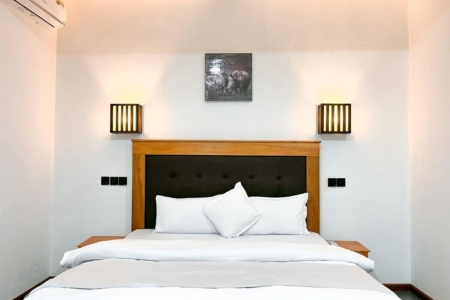
Moshi is one of the best places to stay before climbing Mount Kilimanjaro. Located in northern Tanzania, near the mountain’s southern slopes,... Read More
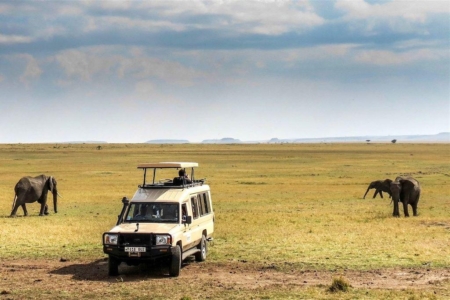
Planning a safari in Tanzania involves more than choosing national parks and wildlife experiences. You also need to decide where to spend... Read More

Join The Discussion