

3-Day Tanzania Safari Itinerary: Best Routes, Costs & Where to Stay
- November 2, 2026
- For Travelers, Travel Guide
3-Day Tanzania Safari Itinerary: Best Routes, Costs & Where to Stay A 3-day Tanzania safari is a great choice if you have... Read More
 by Safari Lala
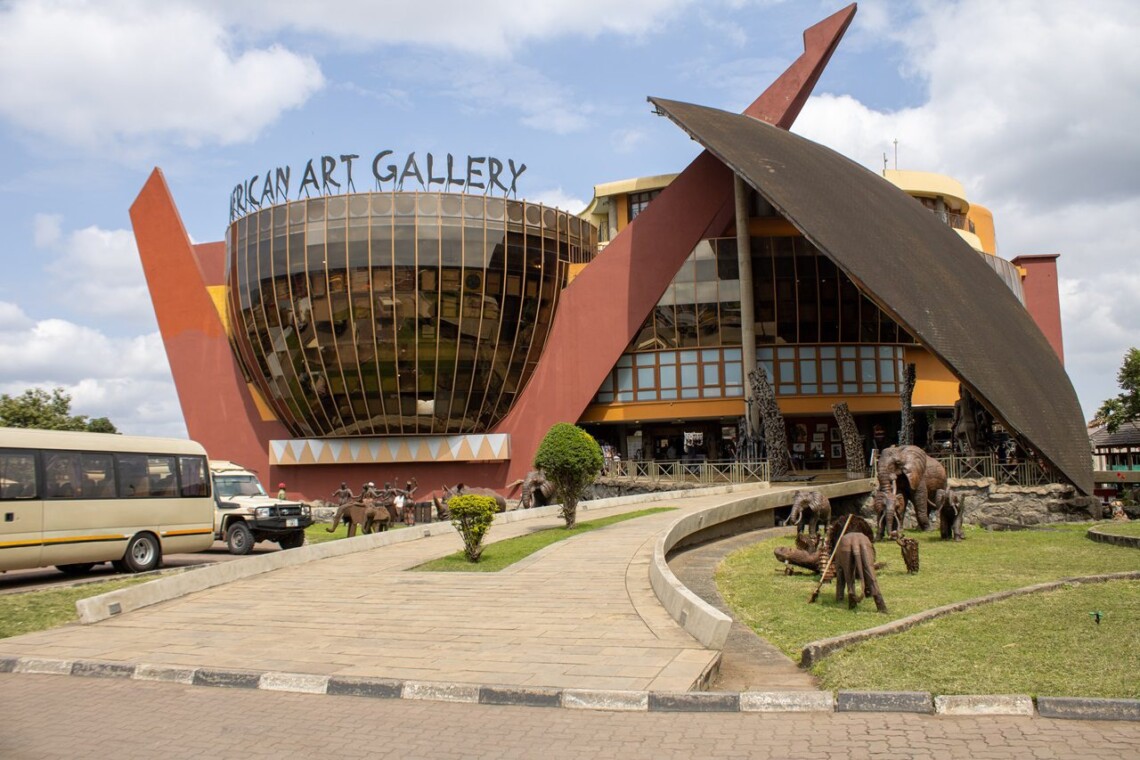
Arusha is one of the most important cities in Tanzania and a central hub for tourism in East Africa. Located in the northern part of the country, the city sits at the base of Mount Meru and is surrounded by some of the most famous wildlife and natural landscapes in Africa. For many travelers arriving in Tanzania, Arusha is the first real introduction to the country’s safari experience.
The city is widely known as the safari capital of Tanzania because it serves as the main starting point for northern safari circuits. From Arusha, travelers can easily access world-renowned destinations such as Serengeti National Park, Ngorongoro Conservation Area, Tarangire National Park, and Lake Manyara National Park. This makes it one of the most strategically important tourism cities in the region.
Arusha plays a key role as the gateway to northern Tanzania’s safari destinations. Most safari journeys begin or end in this city, making it a natural connection point between international travel and wildlife exploration. Visitors often arrive through Kilimanjaro International Airport or Arusha Airport before continuing their journey into the national parks.
Beyond its strategic location, Arusha has developed into a vibrant tourism city with its own identity. It is not just a transit point but a destination where travelers often spend time before or after safaris. The city offers a mix of modern hospitality, local culture, and natural surroundings that create a unique travel atmosphere.
Tourism is one of the strongest industries in Arusha, shaping its growth and development. Hotels, lodges, tour companies, restaurants, and travel services are all deeply connected to the safari economy. This has created a city that is highly experienced in serving international and domestic travelers.
Arusha also offers a comfortable climate compared to many other parts of Tanzania. Its elevation provides cooler temperatures, making it a pleasant place to stay while preparing for safari adventures. Many travelers use the city to rest, organize their trips, or explore nearby attractions before heading into the wilderness.
Over time, Arusha has grown into more than just a safari gateway. It has become a tourism center where culture, business, and travel meet. Visitors can experience local markets, cultural tours, coffee farms, and nearby natural attractions without traveling far from the city.
Accommodation in Arusha continues to expand, offering options for every type of traveler. From luxury safari lodges and boutique hotels to budget guesthouses and family-friendly stays, the city provides a wide range of hospitality choices. This diversity reflects its importance in Tanzania’s tourism ecosystem.
For many travelers, Arusha represents the beginning of an unforgettable journey. It is the place where urban life transitions into wildlife adventures, and where preparation meets exploration. As tourism continues to grow, Arusha’s role as Tanzania’s safari capital becomes even more significant, shaping the way travelers experience the country.
Arusha is located in northern Tanzania, East Africa, in a strategically important position that connects some of the country’s most famous wildlife and tourism destinations. Sitting at the base of Mount Meru and close to the Kenyan border, Arusha has become one of the most important tourism cities in the region.
Arusha lies within the Arusha Region in northern Tanzania and is positioned at an elevation of about 1,400 meters above sea level. This highland location gives the city a cooler and more comfortable climate compared to many other parts of Tanzania.
The city is surrounded by fertile volcanic landscapes, rolling hills, and open plains that stretch toward some of Africa’s most iconic national parks. Its geographical position places it at the heart of the northern safari circuit, making it a natural hub for tourism and travel logistics.
Arusha is also located between major safari destinations, which makes it highly convenient for travelers. From the city, it is relatively easy to access Serengeti National Park to the west, Ngorongoro Conservation Area to the southwest, Tarangire National Park to the east, and Lake Manyara National Park to the northwest.
This central positioning is one of the main reasons Arusha has developed into Tanzania’s safari capital.
Arusha experiences a mild tropical highland climate due to its elevation. The weather is generally comfortable throughout the year, with cooler mornings and evenings compared to lowland or coastal regions of Tanzania.
Temperatures remain relatively moderate, making the city suitable for year-round tourism. This pleasant climate allows travelers to acclimatize easily before heading into safari parks or mountain expeditions.
The city experiences two main rainy seasons. The long rains usually occur between March and May, while shorter rains may appear around November and December. Despite these rainy periods, tourism continues throughout the year, although travel conditions and wildlife viewing can vary depending on the season.
Overall, Arusha’s climate is one of its strongest advantages, especially for international visitors who prefer mild and stable weather conditions.
Arusha is surrounded by some of the most famous national parks in Africa, making it the primary gateway for northern Tanzania safaris. These parks are easily accessible from the city and form the foundation of Tanzania’s tourism industry.
Serengeti National Park is located to the west and is globally known for the Great Migration and vast wildlife plains. Ngorongoro Conservation Area lies to the southwest and features the famous Ngorongoro Crater, one of the most concentrated wildlife viewing areas in the world.
Tarangire National Park is situated to the east and is well known for its large elephant herds and iconic baobab trees. Lake Manyara National Park, located to the northwest, offers diverse ecosystems including forests, lakes, and wildlife-rich environments.
These nearby parks make Arusha the central starting point for almost all northern safari itineraries.
One of the most dominant natural features near Arusha is Mount Meru. This dormant stratovolcano rises to approximately 4,566 meters and is the second-highest mountain in Tanzania.
Mount Meru is located within Arusha National Park and forms a dramatic backdrop to the city. On clear days, it is visible from many parts of Arusha, creating a strong connection between urban life and natural landscapes.
The mountain plays an important environmental role by influencing rainfall patterns and contributing to the fertile soils in the surrounding region. It also supports biodiversity and offers hiking opportunities for adventure travelers.
Arusha National Park, which surrounds Mount Meru, adds further natural value to the region with wildlife viewing, walking safaris, and scenic landscapes.
Arusha is one of the best-connected cities in northern Tanzania, making it a key hub for tourism and travel logistics.
Kilimanjaro International Airport (JRO) is the main international gateway serving Arusha. It is located between Arusha and Moshi and handles flights from Europe, Asia, and other parts of Africa. Most international travelers arriving for safari tours land at this airport.
Arusha also has its own domestic airport, Arusha Airport, which connects travelers to key destinations such as Serengeti, Zanzibar, and other regional airports. These domestic routes are essential for safari travel, especially for accessing remote national parks.
By road, Arusha is connected to major cities and towns in Tanzania as well as neighboring Kenya. The road network links Arusha to Nairobi, Moshi, Dodoma, and Dar es Salaam, making it an important regional transport hub.
Within the city, transportation options include taxis, private transfers, safari vehicles, and bus services. Most safari operators based in Arusha also provide organized transport to national parks, ensuring smooth travel experiences for visitors.
Arusha is widely recognized as the safari capital of Tanzania, and for good reason. The city is not just a starting point for safaris—it is the operational heart of the entire northern safari circuit. Nearly every major safari experience in northern Tanzania either begins, passes through, or is coordinated from Arusha.
Its reputation as the safari capital is built on geography, accessibility, infrastructure, and proximity to some of Africa’s most famous wildlife destinations. From world-renowned national parks like Serengeti and Ngorongoro to accessible gems like Tarangire and Lake Manyara, Arusha sits at the center of it all.
This combination of location and tourism infrastructure has made Arusha the most important safari gateway city in East Africa.
One of the strongest reasons Arusha is considered the safari capital is its direct connection to Serengeti National Park, one of the most famous wildlife destinations in the world.
Serengeti is known for the Great Migration, where millions of wildebeest, zebras, and gazelles move across vast plains in search of fresh grazing land. This natural phenomenon attracts travelers from all over the world, making Serengeti a bucket-list destination.
Arusha plays a key role in accessing Serengeti because it serves as the main departure point for both road and air safaris. Many safari itineraries begin in Arusha before travelers either drive through the northern circuit or take small aircraft flights directly into Serengeti airstrips.
The city’s safari infrastructure makes it easy for tour operators to organize multi-day wildlife trips, ensuring travelers can reach Serengeti efficiently and safely. Without Arusha’s logistical support, accessing Serengeti would be significantly more complex.
Another major reason Arusha is the safari capital is its proximity to the Ngorongoro Conservation Area, one of the most unique wildlife destinations in the world.
At the heart of Ngorongoro lies the famous Ngorongoro Crater, a massive volcanic caldera that contains one of the densest populations of wildlife in Africa. Within this natural enclosure, visitors can see lions, elephants, buffalo, rhinos, zebras, and countless other species in a single day.
Arusha is the main starting point for trips to Ngorongoro because of its relatively short travel distance compared to other cities in Tanzania. Most safari tours include Arusha as the overnight base before descending into the crater early in the morning when wildlife activity is at its peak.
The connection between Arusha and Ngorongoro strengthens the city’s position as a central hub for high-quality safari experiences. Travelers often combine Serengeti and Ngorongoro in the same itinerary, and Arusha is the natural link between these destinations.
Tarangire National Park is another major reason Arusha holds its title as Tanzania’s safari capital. Located to the southeast of the city, Tarangire is famous for its large elephant populations and iconic baobab trees.
During the dry season, the Tarangire River becomes a vital water source, attracting large concentrations of wildlife. Elephants, lions, giraffes, zebras, and many other species gather around the river, creating exceptional game viewing opportunities.
Arusha serves as the primary gateway to Tarangire because of its close proximity and well-developed road connections. Many safari itineraries begin with Tarangire before moving on to other parks in the northern circuit.
The park is especially popular for shorter safari trips, making it a key destination for travelers who have limited time but still want a strong wildlife experience. Arusha’s accessibility makes this possible.
Lake Manyara National Park adds another layer to Arusha’s importance as a safari hub. Although smaller than Serengeti or Ngorongoro, Lake Manyara offers incredible biodiversity and scenic landscapes within a relatively compact area.
The park is known for its tree-climbing lions, flamingos, hippo pools, and dense groundwater forests. It provides a completely different ecosystem compared to other parks in the northern circuit, making it a valuable part of multi-park safari itineraries.
Arusha’s proximity to Lake Manyara allows travelers to experience this diversity with ease. Many safari routes begin in Arusha, then move through Tarangire, Lake Manyara, Ngorongoro, and finally Serengeti, creating a complete northern Tanzania safari loop.
This accessibility and variety strengthen Arusha’s role as the central coordination point for safari tourism.
Beyond geography and national parks, one of the most important reasons Arusha is the safari capital of Tanzania is its concentration of safari operators.
The city is home to hundreds of tour companies, safari guides, travel agencies, and logistics providers. These operators design, organize, and manage safari experiences across northern Tanzania and beyond.
Arusha functions as the operational headquarters for most safari businesses. This includes:
Because of this ecosystem, travelers arriving in Arusha can easily find complete safari packages tailored to different budgets, interests, and travel styles.
Safari operators in Arusha also provide a wide range of services, from luxury private safaris to group tours and budget camping expeditions. This diversity allows Tanzania to serve a global tourism market.
Many experienced safari guides are based in Arusha, making it a center of professional expertise in wildlife tourism. Their knowledge of national parks, animal behavior, and travel logistics enhances the overall safari experience.
Without this strong network of operators, Arusha would not function as effectively as a safari capital. It is this combination of people, infrastructure, and expertise that makes the city the beating heart of Tanzania’s tourism industry.
When all factors are combined, geography, national park access, transport connections, and safari operator networks, Arusha naturally emerges as the central hub of Tanzania’s safari industry.
Every major safari destination in northern Tanzania is connected through Arusha, making it the most logical starting point for travelers exploring the region. Whether someone is visiting Serengeti for the Great Migration, Ngorongoro for crater wildlife, Tarangire for elephants, or Lake Manyara for scenic diversity, Arusha plays a role in the journey.
The city’s infrastructure supports this role perfectly. Airports, hotels, tour offices, transport services, and hospitality businesses are all designed around safari tourism.
This is why Arusha is not just a city near safari parks, it is the safari capital itself.
Arusha is often seen as a safari gateway, but the city itself is a rich travel destination with culture, nature, history, and lifestyle experiences that many visitors underestimate. While most travelers pass through Arusha on their way to Serengeti or Ngorongoro, those who stay a little longer quickly realize that the city offers far more than just transit convenience.
From cultural encounters and coffee farm tours to wildlife experiences, museums, nightlife, and local markets, Arusha provides a complete travel experience on its own. It is a city where modern tourism meets traditional Tanzanian life, and where visitors can experience both urban energy and natural beauty in one place.
Below is a complete guide to the best things to do in Arusha, designed to help travelers discover the city beyond safaris.
One of the most rewarding experiences in Arusha is cultural tourism. The city is surrounded by diverse communities, including the Maasai, Meru, and Chagga people, each with their own traditions, lifestyles, and history.
Cultural tours allow visitors to experience authentic Tanzanian life beyond hotels and safari vehicles. These tours often include visits to traditional homesteads, storytelling sessions, local crafts, and interactions with community members.
Travelers often appreciate how cultural tourism provides context to what they see during safaris. It helps connect wildlife experiences with human history and local identity.
Cultural centers in and around Arusha also organize performances, traditional dances, and educational sessions that introduce visitors to Tanzanian heritage in a respectful and engaging way.
Arusha is located in one of Tanzania’s important coffee-growing regions, making coffee tours a popular and enjoyable activity for visitors. The fertile volcanic soil around Mount Meru supports coffee plantations that produce high-quality Arabica beans.
Coffee tours usually take place on small farms located just outside the city. Visitors are guided through the entire coffee-making process, from planting and harvesting to drying, roasting, and tasting.
These tours are not only educational but also immersive. Travelers often walk through coffee fields, meet local farmers, and learn how coffee contributes to the regional economy.
At the end of the experience, visitors typically enjoy freshly brewed coffee while overlooking scenic landscapes of hills and plantations.
Coffee tours are especially popular among travelers who want a relaxed activity before or after safari adventures.
The Maasai people are one of the most well-known ethnic groups in East Africa, and their presence around Arusha makes cultural interaction possible for travelers.
Maasai experiences typically involve visiting traditional villages where guests can learn about customs, clothing, ceremonies, and daily life. Visitors are often welcomed with traditional dances and guided through different aspects of Maasai culture.
These experiences help travelers understand the deep cultural heritage of northern Tanzania and how communities live alongside wildlife and nature.
Some Maasai experiences also include guided walks with Maasai warriors, offering insights into tracking techniques, livestock management, and traditional knowledge of the land.
It is important that travelers choose responsible and community-based cultural tours that support local livelihoods and respect cultural authenticity.
One of the most unique attractions in Arusha is Arusha National Park, located just a short drive from the city center. Unlike larger parks such as Serengeti, Arusha National Park offers a compact but highly diverse wildlife experience.
The park is known for its beautiful landscapes, including forests, lakes, open plains, and the presence of Mount Meru. It is one of the few places in Tanzania where visitors can enjoy walking safaris under the supervision of a ranger.
Wildlife in the park includes giraffes, zebras, buffalo, colobus monkeys, and a variety of bird species. While it does not have large predator populations like lions or leopards in high concentration, it offers a peaceful and scenic introduction to Tanzania’s natural environment.
The park is also famous for canoeing experiences on Momella Lakes, where visitors can see flamingos and water birds in a calm and unique setting.
For travelers with limited time, Arusha National Park provides a perfect half-day or full-day safari experience close to the city.
Arusha has a growing and lively nightlife scene that reflects its status as a tourism and business hub. After long safari preparations or day trips, many visitors enjoy relaxing in the city’s bars, lounges, and restaurants.
The nightlife in Arusha is diverse, ranging from casual local spots to modern rooftop bars and international-style lounges. Music plays a big role in the city’s social atmosphere, with genres such as Bongo Flava, Afrobeat, reggae, and international hits commonly played.
Travelers often enjoy socializing with locals, other tourists, and safari professionals who return to the city after long days in the national parks.
Some nightlife areas also feature live music, DJ performances, and cultural entertainment depending on the season and venue.
While Arusha is not a party-heavy destination like major global cities, it offers a relaxed and enjoyable nightlife experience that complements its safari identity.
Shopping in Arusha is an interesting mix of modern stores and traditional markets. The city offers travelers opportunities to purchase souvenirs, crafts, clothing, and local products.
One of the most popular shopping experiences is visiting Maasai markets, where handcrafted jewelry, beadwork, paintings, carvings, and textiles are sold. These markets are colorful, lively, and deeply connected to Tanzanian culture.
Visitors can also find shops selling safari gear, outdoor equipment, and travel essentials, especially useful for those preparing for long safari trips.
In addition, modern supermarkets and shopping centers provide everyday goods and imported products for travelers staying in the city for longer periods.
Shopping in Arusha is not just about buying items—it is also a cultural experience that reflects local creativity and craftsmanship.
Arusha also offers educational and historical attractions for travelers interested in learning more about Tanzania’s past and cultural development.
The city is home to museums and cultural centers that showcase archaeological discoveries, traditional lifestyles, colonial history, and natural heritage.
Visitors can learn about early human evolution findings in the region, as well as the cultural diversity of Tanzania’s ethnic groups.
These experiences provide valuable context for travelers, especially those combining cultural tourism with safari adventures.
Local markets in Arusha offer an authentic glimpse into daily life in the city. These markets are filled with fresh produce, spices, clothing, household goods, and street food.
Walking through a local market allows visitors to experience the energy of Arusha beyond tourist areas. It is a place where farmers, traders, and residents interact in a vibrant and dynamic environment.
Markets also provide opportunities to try local Tanzanian food, including grilled meats, fresh fruits, chapati, and other traditional dishes.
For many travelers, visiting a local market becomes one of the most memorable parts of their stay because it offers a genuine connection to everyday life in Arusha.
Arusha is the main gateway to Tanzania’s northern safari circuit, and because of this, it has developed one of the most diverse accommodation markets in East Africa. Travelers passing through the city can choose from ultra-luxury safari lodges, boutique hotels, budget guesthouses, serviced apartments, family-friendly stays, and safari-oriented lodges designed specifically for pre- and post-safari travel.
Understanding hotels in Arusha is not just about choosing a place to sleep, it is about choosing the right experience before or after a safari. Some travelers prioritize comfort and luxury after long international flights, while others focus on affordability, location, or family-friendly services.
This guide breaks down the main types of hotels in Arusha so travelers can make informed decisions based on budget, comfort level, and travel style.
Luxury hotels in Arusha are designed for travelers seeking premium comfort, high-end service, and a relaxed environment before or after safari adventures. These properties often feature spacious rooms, fine dining, wellness facilities, and scenic views of Mount Meru or surrounding landscapes.
Luxury hotels are commonly used by honeymoon travelers, international tourists, business executives, and safari guests who prefer comfort before heading into remote national parks.
Some of the key characteristics of luxury hotels in Arusha include elegant interior design, personalized service, airport transfers, swimming pools, spas, and on-site restaurants offering both international and local cuisine.
Popular luxury hotel experiences in Arusha are often located either within the city center or on the outskirts in quieter natural environments such as coffee estates or green suburbs. These locations provide privacy while still maintaining easy access to safari departure points.
Luxury travelers in Arusha typically prioritize comfort, exclusivity, and seamless travel coordination. Many of these hotels also offer safari booking assistance, making them part of the overall travel experience rather than just accommodation.
Boutique hotels in Arusha offer a more personalized and intimate experience compared to larger luxury properties. These hotels focus on design, atmosphere, and individual guest experience rather than scale.
Boutique accommodations are especially popular among couples, solo travelers, and photographers who prefer stylish environments with cultural or artistic character.
Most boutique hotels in Arusha are smaller in size, often featuring unique architecture, carefully designed rooms, and personalized hospitality. Many of them reflect Tanzanian culture through interior design, artwork, and local materials.
Unlike large hotels, boutique properties usually emphasize quiet environments, attention to detail, and a strong sense of place. They are often located in residential areas or green suburbs, giving guests a peaceful atmosphere while still being close to the city.
Boutique hotels are also popular among safari travelers looking for a calm and aesthetic environment before long wildlife journeys. Their combination of comfort and character makes them a strong middle-ground between luxury hotels and budget stays.
Budget hotels in Arusha serve backpackers, students, solo travelers, and safari tourists looking to reduce accommodation costs while still staying in a safe and convenient location.
These properties range from simple hotels to guesthouses and hostels offering basic but functional facilities. Most budget hotels provide essential services such as private or shared rooms, WiFi, breakfast options, and transport assistance.
Budget accommodation in Arusha is widely available in both city center and suburban areas. Many are family-run businesses that offer a more local and personal experience compared to larger hotels.
While budget hotels may not offer luxury amenities, they play a very important role in Tanzania’s tourism ecosystem by making Arusha accessible to all types of travelers.
Budget travelers often prioritize location, cleanliness, safety, and affordability over luxury services. For many safari tourists, budget hotels are used as overnight stops before continuing into national parks.
Despite being affordable, some budget hotels in Arusha still provide swimming pools, restaurants, and safari booking services, especially those catering to international backpackers.
Family-friendly hotels in Arusha are designed to accommodate parents traveling with children or larger family groups. These hotels focus on comfort, space, safety, and flexibility.
Family hotels often offer larger rooms, interconnected suites, or apartments that allow families to stay together comfortably. Many also provide swimming pools, gardens, and open spaces where children can play safely.
Dining flexibility is another important feature, as families often require varied meal times and child-friendly menu options. Hotels experienced with family guests usually adapt their services to meet these needs.
Location also plays a key role in family hotel selection. Many families prefer hotels that are close to city amenities but still quiet enough to provide relaxation after safari travel.
Arusha is especially well suited for family stays because it offers access to both urban services and nearby nature experiences such as Arusha National Park and cultural attractions.
Family hotels often also assist with safari planning, making it easier for families to organize child-friendly itineraries.
Apartments and serviced accommodations are becoming increasingly popular in Arusha, especially among long-term travelers, digital nomads, and families who prefer self-catering options.
These accommodations offer more flexibility compared to traditional hotels. Guests typically get access to kitchen facilities, living spaces, and multiple rooms, making them ideal for extended stays.
Apartments are especially useful for travelers who want a home-like environment while still having access to hotel-style services such as cleaning, security, and sometimes concierge support.
Many serviced apartments in Arusha are located in residential neighborhoods, offering a quieter and more local experience compared to city-center hotels.
This type of accommodation is also cost-effective for families or groups, as it reduces dining expenses and provides more living space.
As remote work continues to grow globally, apartments in Arusha are becoming an important segment of the hospitality market.
Safari lodges in Arusha are unique because they combine accommodation with direct access to wildlife tourism experiences. Unlike standard city hotels, safari lodges are often located on the outskirts of Arusha or within natural environments such as coffee estates or forested areas.
These lodges are designed specifically for travelers preparing for safaris in Serengeti, Ngorongoro, Tarangire, or Lake Manyara. They often provide safari planning services, guided tours, and transportation arrangements.
Safari lodges typically feature spacious rooms or cottages, open-air dining areas, nature views, and relaxing environments that help travelers transition from international travel to safari adventure.
Many safari lodges are built with natural materials and blend into their surroundings to enhance the sense of immersion in nature. Some even allow wildlife viewing directly from the property.
This category is especially popular among honeymoon travelers and safari-focused tourists who want a complete wildlife experience from the moment they arrive in Arusha.
Choosing where to stay in Arusha is just as important as choosing the hotel itself. The city is spread across different neighborhoods, each offering a different travel experience in terms of comfort, safety, accessibility, and budget. Some areas are ideal for first-time safari travelers, others are better for long stays, business travel, or budget accommodation.
Because Arusha is the main gateway to northern Tanzania’s safari circuit, most travelers stay here either before or after visiting Serengeti, Ngorongoro, Tarangire, or Lake Manyara. Understanding each area helps you choose the right location for your travel style and expectations.
Sakina is one of the most popular residential and hospitality areas in Arusha. It is located slightly away from the busy city center, making it a quieter and more relaxed place to stay.
This area is especially suitable for travelers who prefer calm environments before or after safari trips. Many mid-range hotels, guesthouses, and boutique accommodations are located here, offering good value for money.
Sakina is known for being relatively safe, with a mix of local residents and hospitality businesses. It is not overly crowded, which makes it attractive for families and travelers seeking a peaceful stay.
In terms of accessibility, Sakina is still well connected to the city center. It usually takes a short drive to reach Arusha town, safari operator offices, restaurants, and transport hubs.
Budget-wise, Sakina offers a mix of mid-range and affordable accommodation options, making it suitable for travelers who want comfort without paying high city-center prices.
Overall, Sakina is ideal for:
Njiro is one of the fastest-growing residential and commercial areas in Arusha. It is modern, lively, and increasingly popular among both locals and international visitors.
This area is well known for its restaurants, supermarkets, cafes, and entertainment spots. It provides a more urban lifestyle compared to quieter suburbs like Sakina or Moshono.
Njiro is considered relatively safe, especially in commercial and residential zones where many hotels and apartments are located. It is also popular among expatriates and long-term visitors.
Accommodation in Njiro ranges from budget apartments to modern mid-range hotels. Many travelers choose this area for longer stays because it offers convenience and access to daily essentials.
Accessibility is good, although it is slightly farther from safari operator offices compared to the city center. However, road connections to other parts of Arusha are reliable.
Njiro is best suited for:
The Clock Tower area is considered the heart of Arusha. It is the central business district and the most active part of the city in terms of tourism, transport, and commerce.
This is the most convenient location for first-time visitors because everything is nearby, including safari tour companies, banks, restaurants, transport services, and shopping areas.
The area is busy and energetic, with constant movement of people, vehicles, and business activity. Because of this, it is ideal for travelers who want to stay in the middle of the action.
Accommodation in the Clock Tower area ranges from budget hotels to mid-range and some higher-end options. However, prices tend to be slightly higher due to demand and central location.
Safety is generally good during the day and evening, especially in well-populated areas, but travelers should always be aware of their surroundings as in any busy city center.
Accessibility is the biggest advantage of this area. Most safari departures, city tours, and transport connections are easily arranged from here.
Clock Tower is ideal for:
Usa River is located outside the main city center along the road toward Moshi and Kilimanjaro International Airport. It is a greener, quieter, and more nature-oriented area.
This location is known for its scenic surroundings, coffee plantations, and proximity to nature. Many lodges and boutique accommodations here are built within natural environments, offering a peaceful escape from the city.
Usa River is considered very safe and is popular among travelers looking for relaxation and nature-based stays. It is especially attractive for honeymooners and safari travelers who want a calm environment before or after game drives.
The area is slightly farther from Arusha town, so accessibility to city services requires transport. However, it is convenient for travelers arriving or departing through Kilimanjaro International Airport.
Budget levels vary, but Usa River tends to have more mid-range and boutique lodges rather than ultra-budget accommodation.
Best for:
Moshono is a quiet residential suburb located on the outskirts of Arusha. It offers a peaceful environment with scenic views and a more local living experience.
This area is not heavily commercialized, which makes it ideal for travelers who want privacy and relaxation. Many villas, apartments, and guesthouses are located here.
Safety in Moshono is generally good, as it is a residential neighborhood with limited tourist congestion. However, it is important to use reliable transport when moving to and from the area.
Accessibility to the city center is moderate, usually requiring a short drive. It is not as central as Clock Tower or Njiro, but it offers a much calmer atmosphere.
Moshono is typically more budget-friendly compared to upscale tourist zones, making it attractive for long-term stays or travelers seeking affordable comfort.
Best for:
Kisongo is located on the western side of Arusha and is close to Arusha Airport, making it a strategic location for travelers with domestic flight connections.
This area is more spread out and semi-rural in nature, offering open landscapes and less city congestion. It is commonly used by safari operators, lodges, and travelers preparing for early departures to national parks.
Safety in Kisongo is generally good, especially in lodge and hotel zones, but it is less urbanized compared to other areas. Travelers usually rely on arranged transport.
Accommodation in Kisongo includes safari lodges, mid-range hotels, and some budget-friendly options. Many properties here cater specifically to safari travelers.
Accessibility is one of Kisongo’s strongest advantages because of its proximity to Arusha Airport and major safari departure routes.
Kisongo is best suited for:
Each area in Arusha offers a different travel experience depending on your needs. The Clock Tower area provides maximum convenience, Sakina and Moshono offer quieter residential stays, Njiro delivers modern lifestyle comfort, Usa River focuses on nature and relaxation, and Kisongo supports safari logistics and airport access.
Choosing the right area depends on your travel style, budget, and purpose of visit. Since Arusha is the gateway to Tanzania’s safari circuit, selecting the right location can significantly improve your overall travel experience and set the right tone for your journey into northern Tanzania’s national parks.
Arusha is not just a city in northern Tanzania, it is the main operational base for almost every safari experience in the country. For most international travelers, their safari journey begins the moment they land in Arusha or nearby Kilimanjaro International Airport. From here, everything is organized: transport, guides, accommodation, park permits, and final safari preparations.
Unlike other tourist cities that simply act as destinations, Arusha plays a functional role in Tanzania’s tourism system. It is where safari logistics are coordinated, where travelers prepare mentally and physically for game drives, and where they return to relax after days in the wilderness.
Understanding Arusha in this context helps travelers plan better itineraries and make the most of their safari experience.
For most safari travelers, Arusha is the first stop before entering national parks like Serengeti, Ngorongoro, Tarangire, and Lake Manyara. Pre-safari stays are extremely important because they set the foundation for the entire journey.
After long international flights, travelers often need time to rest, adjust to the climate, and recover from jet lag. Arusha provides the perfect environment for this transition because of its mild weather, comfortable hotels, and relaxed atmosphere compared to busy safari parks.
Pre-safari accommodation in Arusha ranges from luxury hotels and boutique lodges to budget guesthouses and apartments. Many of these properties are designed specifically for safari travelers and understand the unique needs of guests preparing for multi-day wildlife trips.
During pre-safari stays, travelers typically:
This stage is often overlooked, but it is essential for ensuring a smooth safari experience.
After several days of safari adventures, many travelers return to Arusha before catching flights or continuing their journey to Zanzibar or other destinations. This makes post-safari stays equally important.
Safari travel can be physically intense. Long game drives, early morning departures, and dusty park roads can leave travelers tired. Arusha provides a comfortable environment to rest, refresh, and reflect on the safari experience.
Post-safari accommodation is usually more relaxed. Travelers often choose hotels with:
This stage is also where travelers often sort photos, share experiences, and prepare for onward travel.
For many visitors, Arusha becomes a transition point between the wild landscapes of Tanzania and the return to international travel routines.
One of the most important roles Arusha plays in Tanzania’s tourism industry is safari preparation. Almost every safari operator in northern Tanzania is based in or around Arusha, making it the central hub for organizing wildlife trips.
Safari preparation involves several key steps. Travelers typically meet their guides or tour operators in Arusha to finalize details such as routes, park entries, accommodation, and transport arrangements.
Before heading into national parks, travelers also receive important briefings about:
Arusha is also where safari vehicles are prepared. These vehicles are inspected, stocked with supplies, and equipped for long journeys through remote areas.
For many travelers, this preparation phase builds excitement and anticipation. It marks the transition from urban travel to wilderness adventure.
Arusha is one of the best places in Tanzania to purchase safari gear and travel essentials. Because the city serves as a safari gateway, it has developed a strong network of shops catering specifically to wildlife travelers.
Visitors often buy or rent items such as:
Many travelers also purchase last-minute items they may have forgotten before leaving home.
Local markets and shops in Arusha offer both budget-friendly and high-quality options. Some items are locally made, while others are imported for international travelers.
Beyond gear, Arusha also offers cultural souvenirs such as Maasai crafts, jewelry, paintings, and wood carvings. These items are often purchased as memories of the safari experience.
Shopping in Arusha is not just practical—it is part of the safari preparation journey and helps travelers feel ready for the adventure ahead.
Arusha’s role as a safari hub is strongly supported by its transport and airport infrastructure. Most international travelers arrive through Kilimanjaro International Airport, which is located between Arusha and Moshi. From there, they are transferred to hotels in Arusha or directly to safari departure points.
Arusha Airport is also used for domestic flights to national parks and coastal destinations such as Serengeti and Zanzibar. This makes it easier for travelers to access remote areas without long road journeys.
Airport transfers in Arusha are typically organized by hotels or safari companies. These transfers are a crucial part of the travel experience, ensuring smooth movement between airports, hotels, and safari departure points.
Transport options include:
Well-organized logistics are one of the reasons Arusha is such a reliable safari base. Travelers rarely need to worry about navigation or transport planning because most services are professionally coordinated.
For safari travelers, efficient airport transfers reduce stress and allow more time to focus on the experience ahead.
Arusha is one of the best destinations in Tanzania for family travel, especially for families planning a safari in the northern circuit. Because the city acts as the main gateway to Serengeti, Ngorongoro, Tarangire, and Lake Manyara, many families spend at least one or two nights in Arusha before or after their safari journey.
What makes Arusha particularly suitable for families is its balance between comfort, safety, accessibility, and variety. The city offers a wide range of hotels designed for families, activities suitable for children, safe residential areas, and restaurants that cater to different tastes and dietary needs. This makes it a practical and enjoyable stop for families traveling with kids of different ages.
Family-friendly accommodation in Arusha is widely available, ranging from mid-range hotels and serviced apartments to boutique lodges and larger resorts. Many properties in the city understand the needs of families traveling on safari and provide facilities that make stays more comfortable and stress-free.
Family hotels typically offer larger rooms, interconnected suites, or apartments that allow parents and children to stay together comfortably. Some hotels also provide extra beds, cribs, or flexible sleeping arrangements depending on guest requirements.
Comfort is one of the most important factors for families. Many hotels in Arusha include swimming pools, gardens, and outdoor spaces where children can relax after long travel days or safari drives. These spaces help kids release energy while parents unwind.
Dining is another important consideration. Family-friendly hotels often provide flexible meal options, including child-friendly menus and early dining arrangements for younger travelers. Some accommodations also offer in-room dining, which is helpful for families who prefer privacy or need flexible schedules.
Safety is a key priority in family hotels. Most reputable properties in Arusha are located in secure environments with controlled access and attentive staff. This allows parents to feel more relaxed during their stay.
In addition, many family-oriented hotels in Arusha assist with safari planning, making it easier for families to organize child-friendly itineraries and transport arrangements.
Arusha offers several activities that are suitable for children and families, especially those who want to combine learning, nature, and light adventure.
One of the most popular family activities is visiting Arusha National Park. Unlike larger safari parks, this park offers shorter game drives and more accessible wildlife experiences. Families can see giraffes, zebras, buffalo, and various bird species in a relatively compact area. Walking safaris and canoeing experiences also provide unique opportunities for children to interact with nature in a safe and controlled environment.
Cultural visits are another engaging activity for families. Many cultural centers around Arusha offer interactive experiences where children can learn about Tanzanian traditions, dance, music, and local crafts. These visits help children understand different cultures in a fun and educational way.
Coffee farm tours are also popular among families. These tours allow children to see how coffee is grown and processed, while parents enjoy tasting fresh local coffee. The relaxed environment makes it suitable for families who want a break from long safari drives.
Local markets can also be an interesting experience for older children. They offer a chance to see daily life in Arusha, explore colorful stalls, and learn about local foods and products.
Safety is a major concern for families traveling with children, and Arusha offers several safe and suitable areas for accommodation.
One of the most popular areas for families is Sakina. This residential neighborhood is quieter than the city center and offers a calm environment with mid-range hotels and guesthouses. It is well connected to the city while still providing a peaceful atmosphere.
Njiro is another family-friendly area. It is modern, developed, and home to supermarkets, restaurants, and entertainment options. Families who prefer convenience and access to daily essentials often choose Njiro for longer stays.
The Clock Tower area, which is the city center, is suitable for short stays or first-time visitors. While it is busier than other areas, it offers excellent access to transport, tour operators, and services needed for safari preparation.
Usa River, located slightly outside the main city, is ideal for families seeking nature and relaxation. It offers a greener environment and is close to Kilimanjaro International Airport, making it convenient for arrival or departure days.
Moshono is another quiet residential area suitable for families who prefer privacy and a more local experience.
Each of these areas offers different levels of comfort, accessibility, and atmosphere, allowing families to choose based on their travel style and needs.
Food is an important part of any family travel experience, and Arusha offers a wide variety of restaurants that cater to both local and international tastes.
Many restaurants in the city provide diverse menus that include Tanzanian dishes, continental cuisine, and child-friendly meals. This makes it easier for families with children who may have specific food preferences.
In the city center and areas like Njiro, families can find restaurants offering pizzas, burgers, grilled chicken, pasta, and vegetarian options. These familiar meals are often preferred by children during travel.
Local Tanzanian restaurants also provide an opportunity for families to experience traditional food such as grilled meats, rice dishes, and fresh fruits. These meals introduce children to new flavors in a safe and enjoyable way.
Some hotels and lodges in Arusha also have in-house restaurants that cater specifically to families. These establishments often offer flexible dining hours, high chairs, and customized meals for younger guests.
For families staying in apartments or serviced accommodations, supermarkets and grocery stores in areas like Njiro make it easy to prepare simple meals at home.
Overall, Arusha’s food scene is flexible and family-oriented, ensuring that travelers of all ages can enjoy comfortable dining experiences.
Arusha has one of the most vibrant and diverse food and nightlife scenes in northern Tanzania. As the main safari gateway city, it welcomes travelers from all over the world, which has created a dynamic mix of local Tanzanian cuisine, international restaurants, modern cafés, rooftop lounges, and energetic nightlife spots.
Whether you are relaxing after a safari in Serengeti, preparing for a Kilimanjaro climb, or simply exploring the city, Arusha offers a wide range of dining and entertainment experiences. From traditional nyama choma to stylish rooftop dining, the city has something for every type of traveler.
Local food in Arusha reflects the rich culinary traditions of Tanzania and East Africa. One of the most popular and culturally significant dishes is nyama choma, which is grilled meat (usually beef or goat) cooked over open charcoal and shared socially among friends and families. It is a staple in many local restaurants and informal eateries and is often served with kachumbari (fresh tomato and onion salad) and ugali (maize porridge) .
Eating local food in Arusha is not just about taste, it is a cultural experience. Many small restaurants and street-side grills offer freshly prepared meals that give visitors a true feel of everyday life in the city.
Other popular local dishes include:
Local food spots are often busy in the evenings, especially where locals gather to eat, talk, and enjoy music.
Arusha’s nightlife is energetic but still relaxed compared to larger African cities. The city offers a mix of local bars, sports lounges, and nightclubs where both locals and tourists socialize.
Most nightlife areas are concentrated around the city center, Njiro, and selected residential zones. Here, you will find places playing Afrobeat, Bongo Flava, reggae, and international music.
Popular nightlife experiences include:
Some venues stay open late into the night, especially on weekends, creating a lively atmosphere for social interaction. Safety is generally good in popular nightlife areas, especially when using trusted transport services.
In recent years, Arusha has developed a growing number of rooftop lounges and modern dining spaces. These venues offer a more stylish experience, often combining good food, cocktails, and scenic views of Mount Meru or the city skyline.
Rooftop lounges are especially popular in the evening when temperatures are cooler and the city lights create a calm and enjoyable atmosphere.
These places are ideal for:
The atmosphere is usually calm, with soft music, creative cocktails, and a mix of international and fusion cuisine.
Arusha has a strong and growing café culture, supported by the region’s coffee-growing heritage. Located near Mount Meru, the surrounding areas produce high-quality Arabica coffee, which is widely enjoyed in the city.
Cafés in Arusha range from small local coffee shops to modern, stylish cafés serving espresso drinks, pastries, smoothies, and light meals.
These cafés are popular for:
Coffee is not just a drink in Arusha—it is part of the city’s identity and agricultural culture.
One of the most important food experiences in Arusha is nyama choma, which is deeply rooted in Tanzanian and East African social culture. It involves grilling meat over charcoal and sharing it in a communal setting, often with friends or family.
Nyama choma is commonly found in local restaurants and open-air grills, especially in the evenings and weekends. It is usually served with ugali, rice, or kachumbari, making it a full and satisfying meal.
The experience of eating nyama choma is social and informal. People gather, eat with their hands, share stories, and enjoy music in a relaxed environment. It represents the local lifestyle and hospitality of Tanzanian culture.
Because Arusha is a major tourism hub, it offers a wide variety of international dining options. Travelers can find restaurants serving Indian, Italian, Chinese, Middle Eastern, and fusion cuisines.
These restaurants are especially popular among:
Many international restaurants in Arusha are located in hotels, boutique lodges, or central dining areas. They offer high standards of service, diverse menus, and comfortable environments suitable for families and groups.
Common offerings include:
This diversity ensures that visitors from different cultural backgrounds always find suitable dining options.
Arusha is the main gateway to northern Tanzania’s safari circuit, which makes transportation one of the most important parts of the travel experience. Whether visitors are arriving for a safari, business trip, or cultural exploration, understanding how transport works in Arusha helps make movement around the city and into national parks much easier and more efficient.
The city offers a wide range of transport options, from international airport connections and private safari vehicles to taxis, boda bodas, car rentals, and local public transport. Each option serves a different type of traveler, budget, and travel purpose.
Arusha is served by two main airports that play a key role in tourism and travel logistics.
Kilimanjaro International Airport is the primary international gateway for travelers visiting Arusha and northern Tanzania. It is located between Arusha and Moshi, making it a central arrival point for safari tourists and Mount Kilimanjaro climbers.
Most international visitors from Europe, the Middle East, Asia, and other parts of Africa arrive through this airport. From here, travelers can take private transfers, hotel shuttles, or safari vehicles directly into Arusha city, which is usually about an hour’s drive away.
The airport is well connected and supports both scheduled international flights and regional connections, making it the most important entry point for Tanzania’s northern tourism circuit.
Arusha Airport is a smaller domestic airport located closer to the city center. It is mainly used for internal flights to destinations such as Serengeti, Zanzibar, and other regional airstrips.
This airport is especially important for safari travelers who prefer flying directly into remote national parks rather than driving long distances. Small aircraft operated by regional airlines frequently connect Arusha with safari destinations, making travel faster and more convenient.
Taxis are one of the most common and convenient ways to move around Arusha. They are widely available at hotels, airports, and major city points.
Most taxis in Arusha operate on a negotiated fare system rather than fixed meters, so it is common for travelers to agree on the price before starting a journey.
Taxis are ideal for:
For tourists, taxis provide comfort, privacy, and direct routes without the need to navigate local transport systems.
Many hotels and safari companies also arrange trusted taxi services for their guests, ensuring reliability and safety.
Boda bodas are a popular and fast form of transport in Arusha, especially for short distances and quick movement through traffic.
These motorbike taxis are widely used by locals and offer an affordable way to move around the city. They are especially useful in busy areas where cars may experience delays.
Boda bodas are best suited for:
While they are efficient, travelers should always prioritize safety by using helmets and choosing experienced riders. Many visitors prefer boda bodas for daytime use rather than long-distance or nighttime travel.
Safari vehicles are one of the most important transport systems in Arusha because they form the backbone of Tanzania’s tourism industry.
These specially designed 4×4 vehicles are used for traveling between Arusha and national parks such as Serengeti, Ngorongoro, Tarangire, and Lake Manyara. They are built for long-distance travel on rough terrain and are equipped with pop-up roofs for wildlife viewing.
Safari vehicles are usually organized by tour operators and include experienced driver-guides who handle both navigation and wildlife interpretation.
Key features of safari vehicles:
For most travelers, the safari vehicle becomes their main transport method throughout their entire wildlife experience.
Car rental services in Arusha are available for travelers who prefer independent travel or flexible itineraries. These services range from self-drive options to chauffeur-driven vehicles.
Self-drive rentals are less common among safari travelers due to park regulations and road conditions, but they are still available for experienced drivers familiar with Tanzanian roads.
Most visitors choose to rent vehicles with a driver, especially when traveling between cities or exploring areas outside the main safari routes.
Car rentals are useful for:
However, for safari park visits, most travelers rely on professional safari operators due to safety, logistics, and permit requirements.
Public transport in Arusha is mainly served by minibuses, commonly known as dala dalas. These are shared transport vehicles that operate on fixed routes within the city and surrounding areas.
Dala dalas are the most affordable form of transport but can be crowded and less comfortable compared to taxis or private vehicles.
They are mainly used by locals for daily commuting rather than tourists. However, they provide an authentic experience of local life in Arusha for travelers who are curious about everyday transportation systems.
Public transport is best suited for:
While not commonly used by safari tourists, dala dalas remain an important part of the city’s transport ecosystem.
Arusha is increasingly becoming a practical destination for digital nomads, remote workers, and long-stay travelers. While it is best known as the safari capital of Tanzania, the city is also developing into a comfortable base for people who want to combine work with travel. Its moderate climate, improving internet connectivity, affordable accommodation options, and growing café culture make it a realistic option for longer stays in East Africa.
Unlike fast-paced global cities, Arusha offers a slower, more balanced environment. This makes it attractive for professionals who need focus, creativity, and access to nature while continuing their remote work routines.
Internet access is one of the most important factors for digital nomads, and Arusha has made steady improvements in this area. Most hotels, lodges, apartments, and cafés in the city now provide WiFi as a standard service.
In central areas such as the Clock Tower and Njiro, connectivity is generally stable for everyday remote work activities like emails, video calls, and content creation. Many mid-range and boutique hotels also offer backup internet solutions to ensure guests remain connected.
However, internet speed can vary depending on location, weather conditions, and network load. For more reliable performance, many long-stay visitors combine hotel WiFi with mobile data from local providers.
Mobile internet is widely used as a backup option and is often fast enough for remote work, especially in urban parts of Arusha. This combination of WiFi and mobile data gives digital nomads flexibility and reliability for daily tasks.
Arusha has a growing café culture that supports remote workers and long-stay travelers. Many modern cafés offer comfortable seating, good coffee, and a relaxed atmosphere suitable for working on laptops.
These cafés are popular for:
Coffee culture in Arusha is closely linked to the surrounding coffee-growing regions, which means visitors can enjoy fresh local coffee while working in scenic and calm environments.
Some cafés are located in quieter residential areas, while others are in busier commercial zones. This allows digital nomads to choose between peaceful focus spaces and more social environments depending on their work style.
Apartments are one of the most important accommodation options for digital nomads in Arusha. They offer more space, privacy, and flexibility compared to standard hotel rooms.
Most serviced apartments include:
This makes them ideal for long-term stays, especially for travelers who prefer to cook their own meals and maintain a home-like routine.
Apartments are commonly found in areas like Njiro, Sakina, and Moshono, where the environment is quieter and more residential. These neighborhoods provide a balance between accessibility to the city and a peaceful working environment.
Long-stay accommodation is generally more affordable compared to short-term hotel bookings, making Arusha a cost-effective destination for extended remote work periods.
Although Arusha is not yet a major global coworking hub, the city is gradually developing shared workspaces and business-friendly environments.
Some hotels and business centers offer dedicated work areas for guests, including meeting rooms and quiet working spaces. These facilities are often used by entrepreneurs, safari operators, and remote professionals working in tourism-related industries.
Coworking spaces in Arusha are still emerging, but the growing demand from digital nomads and international workers is encouraging more development in this sector.
For now, many remote workers rely on a combination of:
This hybrid approach works well in Arusha due to the city’s relaxed pace and availability of quiet environments.
Living and working in Arusha offers a unique lifestyle compared to traditional digital nomad destinations. Instead of busy urban environments, the city provides access to nature, wildlife, and cultural experiences just outside your door.
Many remote workers choose Arusha because they can balance productivity with adventure. After working hours, it is possible to explore local markets, visit coffee farms, enjoy mountain views, or even plan weekend safaris to nearby national parks.
This combination of work and nature is one of Arusha’s strongest advantages. It allows digital nomads to maintain focus while still experiencing one of the most iconic regions in Africa.
The cost of living is also relatively moderate compared to many international destinations, especially when staying in apartments or mid-range hotels for longer periods.
Arusha is not only the safari capital of Tanzania but also a cultural meeting point where different ethnic groups, lifestyles, and traditions come together. The city reflects a rich mix of local communities, tourism professionals, traders, farmers, and international visitors who all contribute to its unique identity.
Understanding the people and culture of Arusha helps travelers appreciate the region beyond its wildlife and landscapes. It reveals the human side of northern Tanzania—how communities live, interact, preserve traditions, and adapt to a growing tourism economy.
The cultural landscape of Arusha is shaped mainly by the Maasai and Meru people, with additional influence from Chagga communities and a growing urban population connected to tourism and business.
The Maasai people are one of the most recognizable ethnic groups in East Africa, and their presence around Arusha is a key part of the region’s identity. Traditionally semi-nomadic pastoralists, the Maasai have maintained many of their customs, clothing styles, and social structures despite modernization.
Around Arusha, Maasai communities are commonly found in rural areas and on the outskirts of the city. Many travelers encounter Maasai culture through organized cultural visits or during safari trips in northern Tanzania.
Maasai culture is known for its distinctive dress, particularly red shukas (cloth wraps), beadwork, and traditional ornaments. These elements are not just decorative but carry cultural meaning related to age, status, and identity.
Visitors often learn about Maasai traditions such as:
Cultural tourism plays a significant role in supporting Maasai communities around Arusha. When done responsibly, it provides income opportunities while allowing visitors to learn about a way of life that has remained deeply connected to land and nature.
The Maasai presence also contributes to the broader safari experience, as their communities coexist with wildlife in many areas surrounding national parks.
Although the Chagga people are primarily associated with the slopes of Mount Kilimanjaro, their influence extends into the broader northern Tanzania region, including Arusha.
The Chagga are traditionally agriculturalists known for cultivating coffee, bananas, and other crops in fertile volcanic soils. Their expertise in coffee farming is particularly important in understanding the agricultural landscape around Arusha and nearby regions.
Many coffee tours around Arusha are influenced by Chagga farming traditions, as the region shares similar volcanic soil conditions that support high-quality Arabica coffee production.
Culturally, the Chagga are known for strong family structures, organized village systems, and a history of adapting to trade and agriculture. Their influence is visible in the food culture, farming practices, and economic activities in northern Tanzania.
In Arusha’s broader cultural mix, the Chagga represent the agricultural backbone that supports both local consumption and tourism-related experiences such as coffee farm visits.
Tourism is one of the defining elements of modern Arusha culture. As the main gateway to Tanzania’s northern safari circuit, the city has developed a strong tourism-oriented identity that influences daily life.
Hotels, safari companies, guides, drivers, restaurant owners, and craft sellers all form part of a large tourism ecosystem that supports both local livelihoods and international travel experiences.
This has created a unique cultural environment where global and local influences blend together. It is common to see safari vehicles moving through the city, international travelers walking through markets, and local businesses adapting their services to meet global expectations.
Tourism culture in Arusha is built around hospitality, service, and storytelling. Many local guides take pride in explaining wildlife behavior, cultural history, and regional geography to visitors from around the world.
At the same time, tourism has also influenced urban development. New hotels, restaurants, and transport services continue to grow in response to increasing visitor demand.
This interaction between global tourism and local life makes Arusha a dynamic and constantly evolving cultural hub.
The everyday lifestyle in Arusha reflects a balance between traditional values and modern urban living. The city is home to a diverse population that includes farmers, traders, government workers, tourism professionals, and expatriates.
In residential areas, life is generally relaxed and community-oriented. People often engage in small businesses, local markets, and social gatherings. In more urban areas like the Clock Tower and Njiro, the lifestyle becomes more modern, with supermarkets, cafés, restaurants, and entertainment venues.
One of the key features of life in Arusha is its strong connection to nature. Even within the city, Mount Meru can often be seen in the background, reminding residents of the surrounding landscapes and national parks.
Daily life includes a mix of local markets, street food culture, public transport systems, and small-scale entrepreneurship. This creates a lively and practical urban environment that supports both residents and visitors.
Food culture is also an important part of local life. Traditional Tanzanian dishes are widely consumed, and social dining is common, especially in the evenings when people gather in restaurants and food spots.
Despite its growing tourism industry, Arusha maintains a strong sense of local identity rooted in community, culture, and regional traditions.
Shopping in Arusha is an experience that combines culture, creativity, and everyday life in northern Tanzania. As the main safari gateway city, Arusha attracts thousands of international visitors every year, and this has shaped a diverse shopping environment that ranges from traditional Maasai markets to modern supermarkets and craft shops.
For travelers, shopping in Arusha is not just about buying items—it is also about discovering local culture, supporting artisans, and collecting memories from their journey through Tanzania. Whether you are preparing for a safari, looking for souvenirs, or simply exploring the city, Arusha offers a variety of shopping experiences for every type of visitor.
The Maasai Market is one of the most famous shopping experiences in Arusha. It is a vibrant and colorful marketplace where local artisans and vendors sell handmade crafts inspired by Maasai culture and Tanzanian traditions.
Visitors will find a wide range of items, including beadwork, jewelry, carvings, paintings, textiles, sandals, and traditional ornaments. Each item reflects local craftsmanship and cultural identity, making the market a key stop for tourists.
The atmosphere in the Maasai Market is lively and interactive. Vendors often engage with visitors directly, explaining the meaning behind their products and negotiating prices in a friendly manner. Bargaining is a common part of the shopping experience, and it is expected in most stalls.
For many travelers, visiting the Maasai Market becomes one of the most memorable cultural experiences in Arusha because it offers direct interaction with local artisans and a chance to understand their creative work.
Curio shops in Arusha are widely found across the city, especially in tourist-heavy areas such as the city center, hotel zones, and near safari offices. These shops specialize in souvenirs and handcrafted items that represent Tanzanian wildlife, culture, and art.
Common items sold in curio shops include:
These shops are designed for travelers who want ready-made souvenirs without the need to visit larger markets. They often provide a more organized and fixed-price shopping experience compared to open markets.
Curio shopping is especially popular among safari travelers who want to take home reminders of their wildlife experiences in Serengeti, Ngorongoro, or Tarangire.
Arusha also has a growing number of supermarkets and modern retail stores that serve both locals and international visitors. These stores are especially useful for long-stay travelers, families, and digital nomads who need everyday essentials.
Supermarkets in Arusha typically offer:
These stores are commonly located in areas like Njiro and the city center, making them easily accessible for residents and visitors.
For travelers preparing for safaris or long trips, supermarkets are important for stocking up on essentials before heading into national parks where shopping options are limited.
The presence of modern supermarkets reflects the city’s growing urban development and its role as a regional tourism hub.
One of the most valuable aspects of shopping in Arusha is the availability of authentic local crafts. These handmade products are created by local artisans and reflect the cultural heritage of northern Tanzania.
Local crafts are often sold in markets, roadside stalls, and dedicated craft centers. They include items such as:
Each item is unique, often made using traditional techniques passed down through generations. Buying these crafts not only supports local artisans but also helps preserve cultural traditions.
Many travelers prefer local crafts because they carry a deeper cultural meaning compared to mass-produced souvenirs. They also serve as lasting reminders of the safari and cultural experiences in Tanzania.
Arusha is generally considered one of the safer major cities in Tanzania for international travelers, especially because it is the main hub for safari tourism in the northern circuit. Thousands of visitors pass through the city every week on their way to Serengeti, Ngorongoro, Tarangire, and other national parks. Most travel experiences in Arusha are smooth and trouble-free, particularly when travelers use common sense and follow basic safety guidelines.
Like any growing city, however, Arusha has busy areas, unfamiliar transport systems, and cultural differences that visitors should understand. Being aware of your surroundings and planning properly helps ensure a safe and enjoyable stay.
One of the most important safety decisions you make in Arusha is where you stay. The city has several safe and tourist-friendly areas such as Njiro, Sakina, Usa River, and the Clock Tower area.
Hotels, lodges, and serviced apartments in these areas are generally used to hosting international guests and often have good security measures such as gated entrances, security staff, and controlled access.
For first-time visitors, staying in established hotel zones or well-reviewed accommodations is recommended. Avoid isolated or poorly reviewed places, especially if traveling alone.
Choosing the right area also improves convenience, reducing the need for unnecessary travel at night.
Transportation in Arusha is generally reliable, but visitors should take precautions when moving around the city.
Taxis are the safest and most comfortable option for tourists. It is best to use hotel-arranged taxis or trusted drivers rather than randomly picking vehicles from the street. Always agree on the fare before starting the journey.
Boda bodas (motorbike taxis) are fast and affordable but are better suited for short daytime trips. Travelers should use helmets and avoid them at night or for long distances.
For safari travel, always use registered safari operators who provide professional drivers and well-maintained vehicles. These services are designed specifically for tourism safety.
Avoid walking long distances at night in unfamiliar areas, especially if you are not familiar with the neighborhood.
As in many tourist cities, it is important to take care of personal belongings while in Arusha. Although serious crime against tourists is not common in main travel areas, petty theft can occur in crowded places.
Keep your valuables such as passports, cash, and electronics secure, preferably in hotel safes when not in use. When walking in busy areas like markets or the city center, carry only what you need for the day.
Use bags that are easy to keep close to your body, and avoid displaying expensive items openly in public areas.
Being mindful of your surroundings in crowded places like markets, bus stations, and busy streets helps reduce risks.
Most travelers come to Arusha for safaris, and choosing a reliable tour operator is essential for both safety and experience quality.
Licensed safari companies provide trained guides, proper vehicles, and organized itineraries that ensure safe travel into national parks. These operators are familiar with road conditions, wildlife behavior, and park regulations.
Avoid unofficial guides or unverified operators offering unusually cheap deals. Reliable safari companies may cost more, but they provide safety, insurance, and professional service.
Always confirm your itinerary, accommodation, and transport details before starting your safari journey.
Arusha has busy markets, transport hubs, and city center areas where many people gather. These places are generally safe, but visitors should remain aware of their surroundings.
When visiting places like the Maasai Market or local shopping areas, be mindful of your belongings and avoid carrying unnecessary valuables. It is also helpful to stay with companions when exploring crowded areas.
Friendly interactions are common in Arusha, and locals are generally welcoming. However, as in any tourist destination, it is important to distinguish between genuine hospitality and overly persistent offers.
In addition to personal safety, travelers should also consider basic health precautions. Drinking bottled or treated water is recommended, especially for visitors not used to local water systems.
Mosquito protection is important, particularly during certain seasons. Many hotels provide mosquito nets or repellents, and travelers may choose to bring their own protection products.
It is also advisable to have basic travel insurance that covers medical emergencies, especially for safari-related travel.
Arusha has long held its position as the safari capital of Tanzania, serving as the main gateway to world-famous destinations such as Serengeti, Ngorongoro, Tarangire, and Lake Manyara. However, the city is now entering a new phase of transformation. Tourism in Arusha is no longer defined only by traditional safari operations—it is evolving into a more digital, connected, and experience-driven industry.
The future of tourism in Arusha will be shaped by technology, changing traveler behavior, growing hotel development, and the continued expansion of the safari industry. At the same time, local platforms, digital tools, and travel marketplaces are beginning to play a stronger role in how travelers discover and book accommodation and experiences.
One of the biggest shifts in Arusha’s tourism future is the rise of digital tourism. Today’s travelers no longer rely solely on traditional travel agents or walk-in bookings. Instead, they use online platforms, search engines, mobile apps, and social media to plan their entire journey before arriving in Tanzania.
Most visitors now research:
This digital-first behavior means that visibility online has become just as important as physical location. Hotels, lodges, and tour operators in Arusha must now maintain a strong digital presence to remain competitive in a growing global tourism market.
As internet access continues to improve in Tanzania, both travelers and local businesses are becoming more connected, making digital tourism a central part of the industry’s future.
Arusha is experiencing steady growth in its hospitality sector. New hotels, boutique lodges, serviced apartments, and safari-oriented accommodations are continuously being developed to meet increasing demand.
This growth is driven by several factors:
The city is also seeing more specialized accommodation types, such as family-friendly hotels, eco-lodges, and long-stay apartments for digital nomads.
As competition increases, hotels are focusing more on experience rather than just accommodation. This includes better design, improved service quality, personalized guest experiences, and integration with safari services.
In the future, Arusha’s accommodation sector is expected to become more diversified, offering travelers a wider range of choices across different budgets and travel styles.
Technology is becoming an important driver of change in Arusha’s tourism industry. From online booking systems to mobile communication tools, travel technology is improving how visitors plan and experience their trips.
Safari operators and hotels are increasingly adopting digital tools such as:
This shift is making the travel experience smoother, more transparent, and more efficient for both visitors and service providers.
Local innovation is also emerging through platforms that connect travelers directly with hotels, lodges, and tour services in Tanzania. These systems reduce dependency on traditional intermediaries and help local businesses reach global audiences more effectively.
In this evolving landscape, digital travel marketplaces focused on Tanzania are gaining relevance by improving visibility for smaller hotels and helping travelers discover more authentic accommodation options.
The safari industry remains the backbone of tourism in Arusha, but it is also evolving significantly. Traditional multi-day road safaris are now being complemented by new travel styles, including fly-in safaris, luxury eco-tourism, and customized private tours.
Modern safari travelers are more informed and experience-driven than ever before. They are looking for:
This shift is pushing safari operators to upgrade their services, improve vehicle quality, and offer more flexible travel packages.
At the same time, conservation awareness is becoming a stronger part of the safari experience. Many travelers now prefer eco-friendly lodges and operators that support wildlife protection and local community development.
Arusha, as the central hub of safari logistics, will continue to play a critical role in coordinating these evolving experiences.
The future of tourism in Arusha is not only about where people stay or which parks they visit—it is increasingly about the overall experience.
Travelers now want meaningful engagement, including:
This shift means that tourism providers must go beyond traditional services and focus on creating memorable journeys.
Arusha is well positioned for this trend because it already offers a mix of wildlife access, cultural diversity, and urban convenience.
As the tourism industry becomes more digital, local platforms are beginning to play a stronger role in shaping how accommodation and travel services are discovered in Arusha.
Instead of relying only on global booking giants, more travelers and hotel owners are exploring Tanzania-focused platforms that highlight local properties, improve visibility for small and mid-sized hotels, and connect travelers directly with authentic accommodation options.
Platforms such as SafariLala represent this new direction, where the focus is on making local hotels more discoverable while supporting the growth of Tanzania’s hospitality ecosystem. This type of localized digital approach is expected to become more important as competition increases and travelers seek more personalized, region-specific experiences.
Another major trend shaping the future of tourism in Arusha is sustainability. There is growing awareness among travelers and operators about the importance of protecting natural resources and supporting local communities.
Sustainable tourism initiatives include:
This approach ensures that tourism benefits both visitors and local populations while preserving Tanzania’s natural heritage for future generations.
Arusha is expected to become a leading center for sustainable tourism in East Africa due to its proximity to major national parks and active involvement of local communities.
Arusha stands at the center of Tanzania’s tourism identity, not only as a gateway to some of the world’s most famous safari destinations, but also as a growing city with its own culture, hospitality, and travel experiences. From luxury safari lodges and boutique hotels to budget guesthouses, family stays, and long-term apartments, the city offers accommodation options for every type of traveler and every budget.
Throughout this guide, it becomes clear that Arusha is more than a stopover city. It is the starting point of unforgettable journeys into Serengeti, Ngorongoro, Tarangire, and beyond. At the same time, it is a place where travelers rest before safaris, recover after long wildlife adventures, and experience the unique rhythm of northern Tanzania.
The diversity of hotels, neighborhoods, and experiences makes Arusha a flexible destination. Whether someone is traveling as a family, a solo explorer, a honeymoon couple, or a digital nomad, there is always a suitable place to stay. The key is understanding the city’s structure, choosing the right area, and selecting accommodation that matches travel expectations.
As tourism continues to grow in Tanzania, the importance of visibility and accessibility for hotels becomes even more critical. Many of the best stays are not always the most visible online, and this is where modern accommodation discovery platforms play a vital role in connecting travelers with the right options.
This is where SafariLala comes in as a dedicated platform focused on improving accommodation discovery in Arusha and across Tanzania. Instead of travelers struggling to find reliable information across multiple sources, SafariLala brings hotels, lodges, and guesthouses into one place where they can be easily explored, compared, and discovered. It helps simplify the booking journey while giving more visibility to local properties that deserve to be seen by international and domestic travelers alike.
For travelers planning a trip, SafariLala makes it easier to explore Arusha hotels based on location, budget, and travel style—whether you are looking for a safari lodge near nature, a boutique hotel in a quiet neighborhood, or a family-friendly stay close to the city center.
As Arusha continues to grow as Africa’s safari capital, platforms that support smarter travel discovery will become increasingly important. SafariLala represents this shift toward a more connected and accessible tourism ecosystem, where travelers can confidently plan their stays and hotels can reach a wider audience.
In the end, Arusha is not just a destination—it is an experience that begins with where you stay. Choosing the right accommodation shapes your entire journey, and with the right tools, discovering those places becomes easier than ever.
If you are planning your next trip to northern Tanzania, take time to explore Arusha properly, choose wisely, and let your journey begin with the right stay through SafariLala.

3-Day Tanzania Safari Itinerary: Best Routes, Costs & Where to Stay A 3-day Tanzania safari is a great choice if you have... Read More
Moshi is one of the best places to stay before climbing Mount Kilimanjaro. Located in northern Tanzania, near the mountain’s southern slopes,... Read More
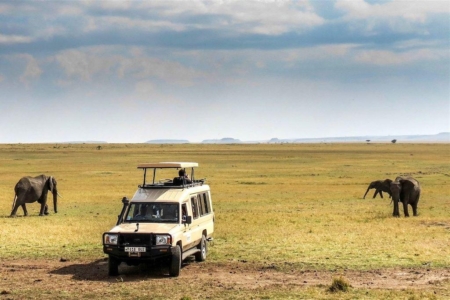
Planning a safari in Tanzania involves more than choosing national parks and wildlife experiences. You also need to decide where to spend... Read More

Join The Discussion