

3-Day Tanzania Safari Itinerary: Best Routes, Costs & Where to Stay
- November 2, 2026
- For Travelers, Travel Guide
3-Day Tanzania Safari Itinerary: Best Routes, Costs & Where to Stay A 3-day Tanzania safari is a great choice if you have... Read More
 by Safari Lala

Moshi is one of northern Tanzania’s most important tourism towns and is widely known as the main gateway to Mount Kilimanjaro, Africa’s highest mountain. Located in the Kilimanjaro Region near the Kenyan border, Moshi sits at the base of the mountain and attracts travelers from around the world who come for climbing adventures, cultural experiences, and nature tourism.
Although smaller and quieter than cities like Arusha or Dar es Salaam, Moshi has become internationally recognized because of its close connection to Mount Kilimanjaro. Thousands of climbers pass through the town every year before beginning their journey to Uhuru Peak. As a result, tourism plays a major role in the local economy and has helped shape Moshi into a welcoming and traveler-friendly destination.
Beyond mountain climbing, Moshi is also known for its relaxed atmosphere, scenic surroundings, and strong local culture. The town is surrounded by green landscapes, coffee farms, waterfalls, and villages influenced by Chagga traditions. Coffee farming remains an important part of daily life in the region, and many travelers enjoy visiting local farms and learning about traditional coffee production.
The lifestyle in Moshi is generally calm and community-oriented. Cafes, local markets, restaurants, tour offices, and small businesses create a lively but comfortable environment where travelers can relax before or after safaris and mountain expeditions. Compared to busier tourism hubs, Moshi offers a slower pace that many visitors appreciate.
Travelers visit Moshi for many different reasons. Some come specifically to climb Mount Kilimanjaro, while others visit for hiking, waterfalls, hot springs, cultural tours, and outdoor activities. The town also attracts backpackers, digital nomads, volunteers, and long-term travelers looking for affordable accommodation and a peaceful environment.
Today, Moshi stands as more than just a climbing base. It has become one of Tanzania’s most recognizable tourism destinations, combining adventure, culture, hospitality, and natural beauty in a unique northern Tanzania setting.
Moshi is located in northern Tanzania within the Kilimanjaro Region, close to the border with Kenya. The town sits at the base of Mount Kilimanjaro, making it one of the most strategically positioned tourism towns in East Africa. It is approximately 80 kilometers east of Arusha and serves as a key gateway for travelers exploring northern Tanzania’s safari circuit and mountain experiences.
Geographically, Moshi benefits from its position on the lower slopes of Mount Kilimanjaro. This location gives the town fertile land, green surroundings, and a cooler climate compared to many other parts of Tanzania. The landscape around Moshi is dominated by coffee farms, small villages, rivers, and distant views of the mountain, creating a scenic and peaceful environment for both residents and visitors.
Mount Kilimanjaro is the defining feature of Moshi and the entire region. Standing at 5,895 meters above sea level, it is Africa’s highest peak and the world’s tallest free-standing mountain. The mountain’s presence shapes everything about Moshi, from tourism and business to culture and daily life.
Most climbers preparing to summit Kilimanjaro stay in Moshi before beginning their trek. The town acts as the central base for tour operators, guides, equipment suppliers, and hospitality services. Popular climbing routes such as Machame, Marangu, Lemosho, Rongai, and Umbwe all begin within reach of the Moshi area, making it a global hub for trekking tourism.
On clear days, Mount Kilimanjaro dominates the skyline, especially during sunrise and sunset. This natural connection between town and mountain is one of the reasons Moshi has become such a well-known destination for adventure travelers.
Beyond Kilimanjaro itself, the region surrounding Moshi offers several natural and cultural attractions. Materuni Waterfalls is one of the most visited sites, located within the lush foothills of the mountain. It provides hiking opportunities, scenic views, and a chance to experience local Chagga culture.
Chemka Hot Springs is another popular destination near Moshi, known for its crystal-clear turquoise water and relaxing natural environment. It attracts both tourists and locals looking for swimming, picnicking, and day-trip experiences.
The surrounding Chagga villages also offer cultural tourism experiences. Visitors often explore coffee farms, traditional homes, and rural landscapes while learning about local farming practices and heritage. These attractions make Moshi more than just a gateway to Kilimanjaro—it is also a destination in its own right.
Moshi has a warm tropical climate influenced by its elevation and proximity to Mount Kilimanjaro. Compared to other Tanzanian cities, the weather is generally more comfortable and cooler, especially in the mornings and evenings.
The region experiences two main seasons: a dry season and a rainy season. The dry season is the most popular time for tourism and mountain climbing due to clearer skies and more stable weather conditions. The rainy season brings lush green landscapes, especially on the mountain slopes, although some outdoor activities may be affected.
The climate plays an important role in agriculture, particularly coffee farming, which is one of the main economic activities in the region.
Moshi is well connected by road and air, making it accessible for both international and domestic travelers. The main road link connects Moshi to Arusha, a journey of about 1.5 to 2 hours depending on traffic and road conditions. This route is part of the northern safari circuit and is frequently used by travelers heading to Serengeti, Ngorongoro, and other national parks.
The closest airport is Kilimanjaro International Airport, located between Moshi and Arusha. This airport serves as the primary entry point for international visitors traveling to northern Tanzania and provides direct access to the region’s major tourism destinations.
Travelers can also reach Moshi via Arusha Airport or Julius Nyerere International Airport in Dar es Salaam, followed by domestic flights or road transport. These connections make Moshi an easily accessible destination despite its proximity to remote mountain and safari regions.
Moshi’s location is one of its greatest strengths. It combines mountain access, cultural richness, and tourism connectivity in a single destination. Its position at the base of Mount Kilimanjaro makes it a natural starting point for climbers, while its proximity to safari parks and natural attractions expands its appeal beyond adventure tourism.
This unique combination of geography, accessibility, and natural beauty has established Moshi as one of the most important travel destinations in northern Tanzania.
Moshi is the central operational hub for Mount Kilimanjaro expeditions, and its entire tourism economy is strongly connected to climbing activities. Hundreds of licensed tour operators, trekking companies, and support service providers are based in the town, offering organized expeditions to Africa’s highest peak.
These companies handle everything required for a successful climb, including permits, transportation, accommodation, food supply, equipment, and guide coordination. Because Moshi is located at the base of Kilimanjaro, it is the most convenient and efficient starting point for climbers arriving from different parts of the world.
The climbing industry has also created a strong service ecosystem. Hotels, gear rental shops, restaurants, transport providers, and travel agencies all depend heavily on Kilimanjaro tourism. This has made Moshi one of the most specialized trekking destinations in Africa, with a tourism economy built almost entirely around mountain expeditions.
Kilimanjaro climbing is deeply embedded in the culture and identity of Moshi and surrounding communities. Many local families have worked in the trekking industry for generations, with roles such as mountain guides, porters, cooks, and logistics coordinators forming a major part of local employment.
This has created a strong cultural connection between the people and the mountain. For many residents, Kilimanjaro is not just a tourist attraction but a source of livelihood and pride. The trekking culture has shaped values such as teamwork, endurance, and hospitality, which are essential in high-altitude expeditions.
Visitors often experience this culture firsthand during their preparation and climb. The friendliness, professionalism, and experience of local trekking teams contribute significantly to Moshi’s reputation as a reliable base for Kilimanjaro adventures.
Mount Kilimanjaro is one of the most iconic mountains in the world and attracts climbers from nearly every continent. Its status as the highest free-standing mountain on Earth and the “Roof of Africa” has made it a bucket-list destination for adventure travelers.
Because Moshi is the closest major town to the main climbing routes, it has become globally recognized as the starting point for Kilimanjaro expeditions. Most international travel searches for Kilimanjaro climbs naturally lead to Moshi as the base for logistics, accommodation, and guiding services.
This global association has significantly increased Moshi’s visibility in international tourism markets. Even travelers who were previously unfamiliar with Tanzania often discover Moshi while researching Kilimanjaro climbs, strengthening its position as a key adventure tourism hub.
One of the most important reasons Moshi is strongly associated with Kilimanjaro is the presence of highly experienced mountain guides and porters. These professionals are essential to every successful climb and form the backbone of the trekking industry.
Guides from Moshi are trained to lead expeditions through multiple Kilimanjaro routes while managing safety, altitude challenges, weather changes, and group coordination. Their deep knowledge of the mountain and its conditions plays a critical role in ensuring climber safety and success.
Porters are equally essential, carrying camping equipment, food, water, and supplies throughout multi-day climbs. Their contribution allows climbers to focus on the physical journey without being burdened by heavy logistics.
This workforce has made Moshi internationally respected in the trekking industry. The professionalism and experience of local guides and porters are among the key reasons climbers choose Kilimanjaro over other mountains in the world.
Mount Kilimanjaro has several official climbing routes, and Moshi serves as the main coordination base for most of them. Popular routes include Machame, Marangu, Lemosho, Umbwe, and Rongai, each offering different scenery, difficulty levels, and climbing durations.
Before starting any of these routes, climbers typically arrive in Moshi for final preparations. This includes meeting guides, checking equipment, reviewing itineraries, and receiving safety instructions.
Tour operators in Moshi organize every detail of the climb, from transport to the mountain gates to accommodation before and after the expedition. This centralized system makes Moshi the most important logistical hub for Kilimanjaro trekking.
Because nearly all routes are coordinated through Moshi-based operators, the town has become inseparable from the overall Kilimanjaro climbing experience.
Most climbers spend at least one or two days in Moshi before beginning their ascent of Mount Kilimanjaro. This preparation period is essential for both physical readiness and logistical organization.
During this time, travelers meet their guides, attend safety briefings, and confirm all necessary climbing equipment. Items such as hiking boots, jackets, sleeping bags, and backpacks are checked carefully, and any missing gear can usually be rented or purchased locally.
This stage also allows climbers to rest and adjust before the physical demands of high-altitude trekking. While Moshi itself is not at high elevation, it provides a calm and supportive environment for mental preparation.
Safety briefings are an important part of this process. Guides explain altitude sickness, daily hiking routines, weather expectations, and environmental protection guidelines for the mountain. This ensures that climbers are well prepared before starting the expedition.
Moshi’s hospitality sector plays a major role during this stage. Hotels and lodges in the town are designed to accommodate climbers with comfortable stays, meal plans, and transport arrangements to the mountain gates.
Moshi is often introduced as the gateway to Mount Kilimanjaro, but the town itself offers far more than just a starting point for climbers. It is a destination filled with nature, culture, adventure, and authentic local experiences. Travelers who spend time in Moshi quickly discover that the region offers a wide variety of activities that go beyond mountain trekking.
From lush coffee farms and powerful waterfalls to cultural encounters, cycling adventures, and relaxing hot springs, Moshi provides experiences that suit both adventure seekers and slow travelers. The town also has a growing café culture and a relaxed nightlife scene that reflects its mix of local life and international tourism.
Below is a detailed guide to the best things to do in Moshi.
Coffee is one of the most important agricultural products in the Kilimanjaro region, and Moshi is surrounded by fertile coffee farms operated mainly by the Chagga people. Coffee tours are one of the most popular cultural and educational experiences for visitors.
During a coffee tour, travelers are guided through the entire process of coffee production, from picking ripe coffee cherries to roasting and grinding beans using traditional methods. Local farmers often demonstrate how coffee has been cultivated for generations, and visitors are invited to participate in each step of the process.
What makes coffee tours in Moshi special is the combination of education and cultural immersion. Travelers not only learn how coffee is made but also gain insight into rural life, farming traditions, and community-based agriculture.
Most tours end with a freshly brewed cup of local coffee served in a traditional setting, often accompanied by storytelling and music. This experience gives visitors a deep appreciation of the region’s agricultural heritage and the importance of coffee to local livelihoods.
The Moshi region is home to several stunning waterfalls located on the slopes of Mount Kilimanjaro. These waterfalls are surrounded by lush vegetation, hiking trails, and scenic landscapes, making them ideal for nature lovers.
One of the most famous waterfalls is Materuni Waterfall, located near Materuni village. The journey to the waterfall includes a guided hike through banana plantations, coffee farms, and forested paths. At the end of the trail, visitors are rewarded with a powerful waterfall cascading into a natural pool.
Another highlight is Marangu Waterfalls, located in the Marangu area. This region is also known for its connection to Kilimanjaro climbing routes, making it a popular stop for both hikers and cultural tourists.
Waterfall visits often include interaction with local communities, offering insight into traditional Chagga culture and village life. These experiences combine adventure, relaxation, and cultural learning in a single trip.
Waterfalls in Moshi are especially popular because they offer a refreshing contrast to the structured experience of safari and mountain climbing.
For travelers who want to experience Mount Kilimanjaro without committing to a full multi-day climb, day hikes are an excellent option. These hikes allow visitors to explore the lower slopes of the mountain and experience its unique ecosystems.
Most day hikes take place through routes such as Marangu Gate or Machame Gate, depending on the tour operator and weather conditions. Hikers pass through dense rainforest filled with wildlife, birds, and unique plant species.
During a typical Kilimanjaro day hike, visitors can expect:
These hikes are suitable for travelers of varying fitness levels and provide a taste of the Kilimanjaro experience without the physical demands of a summit climb.
Day hikes are also ideal for travelers with limited time in Moshi who still want to experience the mountain environment.
Moshi’s local markets offer a vibrant look into everyday life in northern Tanzania. These markets are filled with fresh produce, clothing, crafts, spices, and household goods, creating a lively and colorful atmosphere.
One of the most well-known markets is Moshi Central Market, where locals buy and sell fruits, vegetables, grains, and meat. The market is busy throughout the day and provides an authentic experience of local commerce and culture.
Visitors can also find small souvenir shops and craft stalls selling handmade items such as wood carvings, Maasai beadwork, and traditional textiles. These items reflect Tanzania’s cultural diversity and make meaningful souvenirs for travelers.
Walking through local markets allows visitors to interact with residents, observe daily routines, and experience the rhythm of life in Moshi. It is a simple but powerful way to understand the town beyond its tourism identity.
Cultural tourism is an important part of the Moshi experience. The region is home to the Chagga people, one of Tanzania’s most well-known ethnic groups, who live on the slopes of Mount Kilimanjaro.
Cultural tours often include visits to traditional villages, where travelers can learn about Chagga history, architecture, farming methods, and food preparation. One of the most popular experiences is visiting underground houses, which were historically used for protection during tribal conflicts.
Visitors also learn about traditional banana farming, local brewing techniques, and community traditions that have been passed down for generations. Storytelling plays a major role in these tours, offering insight into local beliefs and history.
Cultural tourism in Moshi helps preserve heritage while also supporting local communities through responsible tourism income.
Chemka Hot Springs, located about an hour from Moshi, is one of the most beautiful natural attractions in the region. The hot springs are known for their crystal-clear turquoise water surrounded by palm trees and tropical vegetation.
Despite the name, the water is not extremely hot but maintains a warm, comfortable temperature throughout the year. This makes it ideal for swimming, relaxing, and spending a full day in nature.
The site has rope swings, shallow areas for relaxing, and deeper sections for swimming. The natural environment creates a peaceful escape from the busy town atmosphere.
Many travelers visit Chemka Hot Springs as part of a day trip from Moshi, often combining it with cultural experiences or waterfall visits.
Cycling tours are becoming increasingly popular in Moshi as travelers look for more active and immersive ways to explore the region. These tours typically take visitors through villages, coffee farms, forests, and scenic countryside areas around Mount Kilimanjaro.
Cycling allows travelers to experience local life up close while moving through landscapes at a comfortable pace. Guides often stop along the way to explain farming practices, local culture, and natural features of the area.
Some routes pass through Chagga villages, where travelers can interact with locals, visit small farms, and observe daily activities. Other routes focus more on nature and offer views of Kilimanjaro on clear days.
Cycling tours are suitable for travelers who want a balance between adventure and cultural exploration without the intensity of mountain trekking.
Although Moshi is not a large city, it has a growing and relaxed nightlife scene that caters to both locals and international travelers. The nightlife is generally laid-back compared to larger urban centers, but it still offers enjoyable evening experiences.
Many restaurants and bars in Moshi offer live music, social gatherings, and outdoor seating where travelers can unwind after a day of activities. The atmosphere is friendly and informal, making it easy to meet other travelers or engage with locals.
Popular nightlife experiences include:
Nightlife in Moshi is more about social interaction and relaxation than intense party scenes, making it suitable for a wide range of travelers, including families and solo adventurers.
Moshi has developed into one of the most important tourism hubs in northern Tanzania, mainly because of its connection to Mount Kilimanjaro. As a result, the town offers a wide variety of accommodation options designed for climbers, safari travelers, backpackers, digital nomads, families, and luxury tourists.
Hotels in Moshi are not limited to one category or style. Instead, the town has a mixed hospitality ecosystem ranging from high-end luxury lodges and boutique hotels to simple hostels, eco-lodges, and serviced apartments. This diversity is one of the reasons Moshi continues to grow as a global tourism destination.
Understanding the different types of hotels in Moshi helps travelers choose the right stay based on comfort level, budget, travel purpose, and proximity to Kilimanjaro.
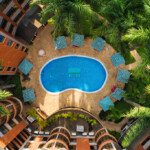
Luxury hotels in Moshi are designed for travelers who want comfort, privacy, and premium services before or after their Kilimanjaro or safari experience. These hotels often feature spacious rooms, high-end dining, swimming pools, landscaped gardens, and personalized guest services.
Many luxury properties are located within quiet surroundings while still remaining close to the town center or airport routes. This balance allows guests to enjoy relaxation without being too far from transport links and tour operators.
Luxury hotels are especially popular among honeymoon travelers, international tourists, and climbers who want to recover in comfort after a demanding expedition.
Common features of luxury hotels in Moshi include:
Some of the well-known luxury-style properties in the region include hotels such as Chanya Lodge, Salinero Kilimanjaro Hotel, and Ameg Lodge Kilimanjaro, which are frequently highlighted for their comfort, service quality, and relaxing environment.
Luxury accommodation in Moshi is not only about comfort but also about creating a recovery space for travelers after long safaris or mountain climbing experiences.
Climbing lodges are one of the most important accommodation types in Moshi because of the town’s direct connection to Mount Kilimanjaro. These lodges are specifically designed to support climbers before and after their expedition.
Unlike standard hotels, climbing lodges focus on practicality, preparation, and logistics. They often work closely with tour operators to provide complete trekking packages that include accommodation, meals, equipment storage, and transport to mountain gates.
Climbers typically stay in these lodges one or two nights before starting their ascent. During this time, they meet their guides, attend briefing sessions, and check all necessary equipment.
Climbing lodges often include:
Some properties also function as full trekking bases, offering both accommodation and direct expedition organization services. This makes them extremely convenient for international climbers who want a smooth and organized experience.
Because Kilimanjaro climbing is a major global attraction, these lodges form the backbone of Moshi’s tourism economy.
Backpacker hostels are a major part of Moshi’s hospitality scene, attracting budget travelers, solo adventurers, students, and long-term tourists. These accommodations are affordable, social, and often located near the town center.
Hostels in Moshi provide a more communal travel experience where guests can meet other travelers heading to Kilimanjaro or exploring northern Tanzania. This social environment is one of the main reasons backpackers prefer this category.
Most hostels offer shared dormitories as well as private rooms. Facilities are usually simple but functional, focusing on cleanliness, safety, and affordability.
Typical features of backpacker hostels include:
Popular backpacker-friendly stays such as Rafiki Backpackers & Guesthouse and Hostel Hoff are well-known for their friendly atmosphere and central location.
Hostels play an important role in making Moshi accessible to low-budget travelers who still want to experience Kilimanjaro and surrounding attractions.
Boutique hotels in Moshi offer a balance between comfort, design, and personalized service. These properties are usually smaller than luxury hotels but provide a more intimate and unique experience.
Boutique hotels often focus on design aesthetics, local character, and storytelling. Many incorporate Tanzanian culture into their architecture, interior design, and dining experiences.
These hotels are especially popular among travelers who want a more authentic and stylish stay without the scale of large resorts.
Common features of boutique hotels include:
Boutique properties like Brubru Lodge are often highlighted for their peaceful gardens, stylish rooms, and strong guest experience.
Boutique hotels are ideal for couples, digital nomads, and travelers seeking comfort with character rather than large commercial hotel environments.
Apartments and serviced accommodations are becoming increasingly popular in Moshi, especially among long-stay travelers, families, and digital nomads.
Unlike hotels, apartments provide more independence and flexibility. Guests can cook their own meals, enjoy larger living spaces, and stay for extended periods at a lower cost per night.
This type of accommodation is especially useful for:
Apartments typically include kitchens, living rooms, private bathrooms, and WiFi access. Some serviced apartments also offer housekeeping, laundry services, and airport transfers.
As Moshi continues to grow as a tourism and climbing hub, apartment-style stays are becoming an important part of the accommodation ecosystem, offering flexibility that traditional hotels cannot always provide.
Eco lodges in Moshi focus on sustainability, nature, and environmentally responsible tourism. These accommodations are often located in quieter, greener areas near the outskirts of town or on the slopes of Mount Kilimanjaro.
Eco lodges aim to reduce environmental impact while offering comfortable stays. Many use natural building materials, solar energy, and locally sourced food.
They are especially popular among eco-conscious travelers and tourists who want a closer connection to nature.
Key characteristics of eco lodges include:
Eco lodges often provide a unique experience compared to city hotels, allowing guests to enjoy tranquility, wildlife, and views of Kilimanjaro in a more natural setting.
Some eco lodges also support local communities through employment, farming partnerships, and cultural tourism programs.
Choosing the right area to stay in Moshi is just as important as selecting the hotel itself. The town is relatively small compared to major cities in Tanzania, but each neighborhood offers a different experience in terms of safety, accessibility, budget, and overall travel atmosphere.
Since Moshi is the main gateway to Mount Kilimanjaro, most travelers pass through or stay in the town for at least a few nights before or after their climb. Others use Moshi as a base for cultural tours, waterfall visits, cycling trips, or relaxation. Understanding the different areas helps travelers match their stay with their travel style.
Below is a detailed breakdown of the best areas to stay in Moshi and what each one offers.
Moshi town center is the most convenient and popular area for travelers. It is the heart of the town, where most hotels, restaurants, travel agencies, and shops are located. For first-time visitors, this is often the easiest and most practical place to stay.
The biggest advantage of staying in the town center is accessibility. Everything is within walking distance or a short taxi ride, including banks, markets, tour operators, cafes, and transport services. This makes it especially suitable for travelers who are preparing for Kilimanjaro climbs or organizing safari trips.
The town center also offers a wide range of accommodation options, from budget guesthouses to mid-range hotels and a few luxury stays. This variety makes it suitable for different types of travelers.
In terms of safety, Moshi town center is generally considered safe for tourists, especially in busy and well-lit areas. However, like any urban environment, travelers should remain aware of their surroundings at night and avoid isolated streets.
This area is ideal for:
Overall, Moshi town center is the most practical choice for convenience and easy access to services.
Despite its name, Shanty Town is one of the most established residential and hospitality areas in Moshi. It is located close to the town center but offers a slightly quieter and more local environment.
This area is popular among both locals and travelers because it provides a balance between accessibility and calm surroundings. Many mid-range hotels and guesthouses are located here, offering comfortable stays at reasonable prices.
Shanty Town is well connected to major roads, making it easy to access tour operators, restaurants, and transport services. At the same time, it is slightly removed from the busiest parts of the town center, which creates a more relaxed atmosphere.
Safety in this area is generally good, especially in hotel zones and main streets. Travelers often feel comfortable walking during the day, and transport options are readily available.
This area is suitable for:
Shanty Town is a strong option for travelers who want convenience without the noise of the central town.
Rau is a more suburban and semi-rural area located on the outskirts of Moshi. It is known for its peaceful environment, open spaces, and proximity to nature.
This area is ideal for travelers looking for relaxation and a break from the busier parts of town. Many eco-lodges, guesthouses, and boutique stays are located in Rau, often surrounded by gardens, farms, or scenic views of Mount Kilimanjaro on clear days.
Because Rau is less crowded, it offers a more peaceful and private atmosphere. This makes it popular among honeymoon travelers, digital nomads, and visitors staying for longer periods.
However, accessibility can be slightly more limited compared to the town center. Travelers may need taxis or arranged transport to reach restaurants, markets, and tour offices.
Safety in Rau is generally good, especially within established accommodation properties, but it is always advisable to use trusted transport when moving around at night.
This area is best for:
Rau offers a more natural and relaxed side of Moshi.
Majengo is one of the older residential areas in Moshi, located relatively close to the town center. It offers a strong local atmosphere and is less influenced by tourism compared to other areas.
This neighborhood provides a more authentic experience of everyday life in Moshi. Travelers staying here often get a closer look at local culture, markets, and community life.
Accommodation in Majengo is usually budget-friendly, including guesthouses and smaller hotels. It is not as developed for tourism as the town center, but it offers affordability and cultural immersion.
Accessibility is fairly good, with easy transport connections to central Moshi and surrounding areas. However, tourists may need guidance to navigate the area efficiently, especially if visiting for the first time.
Safety is generally acceptable, but travelers should take normal precautions, particularly when moving around unfamiliar streets.
Majengo is suitable for:
This area is ideal for travelers who want affordability and a local experience.
The outskirts of Moshi, particularly areas closer to the slopes of Mount Kilimanjaro, offer some of the most scenic and peaceful accommodation options in the region.
These areas include rural villages, farmland zones, and eco-lodge locations that provide direct views of Kilimanjaro on clear days. The environment here is quiet, green, and deeply connected to nature.
Staying in the outskirts gives travelers a completely different experience compared to town-based accommodation. Instead of urban convenience, guests enjoy nature, silence, and scenic landscapes.
Many high-end eco-lodges, boutique retreats, and nature-based accommodations are located in these areas. They are especially popular among travelers seeking relaxation, wellness experiences, or romantic stays.
However, accessibility can be more limited. Transport is usually required to reach Moshi town center, airports, or tour operators. This makes planning more important when staying in these areas.
Safety is generally good within established lodges and rural communities, but travelers should always use arranged transport for longer distances.
This area is best for:
The outskirts of Moshi offer the most scenic and peaceful accommodation experience.
Moshi is the central base for almost every Kilimanjaro expedition. While the mountain itself is the main attraction, the entire climbing journey is organized, prepared, and coordinated from this town. For climbers, Moshi is not just a place to sleep before the hike—it is where the expedition truly begins.
Everything from gear preparation to guide meetings, safety briefings, logistics planning, and final acclimatization adjustments happens in Moshi. Understanding how the town supports climbers is essential for anyone planning to reach the summit of Africa’s highest mountain.
One of the most important stages before climbing Mount Kilimanjaro is preparing the right gear, and Moshi is the best place to finalize everything needed for the trek.
Climbers typically arrive with a packing list provided by their tour operator, but not everything is always purchased in advance. Moshi has a well-developed system of equipment rental shops and outdoor suppliers that cater specifically to Kilimanjaro expeditions.
Essential items such as hiking boots, insulated jackets, sleeping bags, trekking poles, gloves, and backpacks can be rented or purchased in town. This is especially helpful for international travelers who prefer not to carry heavy equipment from home.
Before departure, guides usually conduct a full gear check to ensure everything meets safety and weather requirements. This process is important because Kilimanjaro has multiple climate zones, from rainforest to alpine desert and eventually arctic conditions near the summit.
Proper gear preparation in Moshi ensures climbers are fully equipped and reduces the risk of failure or discomfort during the ascent.
Although Moshi itself is not at high altitude compared to Kilimanjaro, it plays an important role in helping climbers mentally and physically prepare for elevation challenges.
Altitude sickness is one of the biggest risks on Kilimanjaro, and preparation begins before even stepping on the mountain. Tour operators in Moshi educate climbers about symptoms, prevention methods, and pacing strategies.
Many climbers spend one or two days in Moshi to rest after international travel before starting the climb. This rest period helps the body recover from long flights and adjust to the local environment.
Guides also explain the importance of “pole pole” (a Swahili phrase meaning “slowly, slowly”), which is the recommended pace for safe acclimatization on the mountain.
Some travelers also take short hikes around Moshi or visit nearby waterfalls as light physical preparation before the main climb. While this does not simulate high altitude, it helps the body stay active and ready for the journey ahead.
Although true acclimatization happens on the mountain itself, Moshi plays a supportive role in helping climbers understand how to adapt to altitude conditions.
Before departure, guides provide detailed briefings about daily elevation gains, rest schedules, hydration requirements, and warning signs of altitude sickness. This education is essential for reducing risk during the climb.
Many climbers also use their time in Moshi to prepare mentally for the gradual ascent. Kilimanjaro is not a technical climb, but it requires endurance, patience, and proper pacing across several days.
Tour operators often explain different route options—such as Machame, Lemosho, Marangu, and Rongai—each with different acclimatization profiles. Choosing the right route is one of the most important decisions in the planning phase.
By the time climbers leave Moshi, they are expected to understand how altitude works and how to manage their energy throughout the expedition.
Moshi is the operational headquarters for Kilimanjaro logistics. Nearly every detail of a climb is organized in the town before departure.
Tour companies coordinate transportation from Moshi to the mountain gates, which can take between one to four hours depending on the chosen route. Vehicles are arranged to carry climbers, guides, porters, food supplies, and equipment to the starting point.
Permits and park entry arrangements are also processed through licensed operators based in Moshi. Tanzania National Parks (TANAPA) regulations require proper documentation before any ascent, and local companies handle this administrative process.
Meal planning is another key part of logistics. Food for the entire expedition is prepared in advance and packed for transport up the mountain. Special dietary requirements are usually discussed in Moshi before departure.
Accommodation before and after the climb is also arranged in Moshi hotels or lodges. Climbers typically return to the town after descending the mountain for rest, celebration, and recovery.
This centralized logistics system makes Moshi the most important coordination hub for Kilimanjaro expeditions.
Moshi is home to hundreds of Kilimanjaro guiding companies, ranging from large international operators to small local businesses. These companies employ certified mountain guides who are responsible for leading climbers safely to the summit and back.
Guides based in Moshi are highly experienced and trained in navigation, altitude management, first aid, and emergency response. Their expertise is one of the main reasons Kilimanjaro has one of the highest summit success rates among major trekking mountains.
Before the climb, climbers meet their guides in Moshi for introductions and briefings. This personal connection helps build trust and communication between climbers and their support team.
Guide companies also provide detailed information about route conditions, weather forecasts, and daily expectations on the mountain. They play a critical role in adjusting pace and ensuring climbers remain safe throughout the expedition.
Choosing a reputable guide company in Moshi is one of the most important decisions for any Kilimanjaro climber.
Porters are an essential part of every Kilimanjaro expedition, and Moshi is the center of this unique workforce. Porters carry tents, food, water, cooking equipment, and personal belongings for climbers throughout the journey.
Without porters, most Kilimanjaro climbs would not be possible. Their work ensures that climbers can focus entirely on walking and acclimatization without carrying heavy loads.
The porter culture in Moshi is deeply rooted in local communities. Many porters come from villages around the Kilimanjaro region and have years of experience working on the mountain. For many families, porter work is a major source of income and supports education, housing, and daily living.
In recent years, there has been growing emphasis on fair treatment, proper wages, and ethical tourism practices within the porter system. Many reputable companies in Moshi now follow international standards to ensure porters are well-supported and equipped for the demanding conditions of the mountain.
Climbers often develop strong appreciation for their porter teams, as they play a vital role in carrying supplies, setting up camps, and maintaining daily operations during the expedition.
Moshi is increasingly becoming a family-friendly destination in northern Tanzania, especially for travelers who want a mix of nature, culture, and light adventure without the intensity of full safari circuits or high-altitude trekking. While the town is widely known as the gateway to Mount Kilimanjaro, it also offers a relaxed environment that works well for families traveling with children.
Unlike busier urban destinations, Moshi has a calmer pace, cooler climate, and strong connection to nature. These qualities make it easier for families to explore together without feeling rushed or overwhelmed. Whether staying for a few days before a Kilimanjaro climb or using Moshi as part of a broader Tanzania itinerary, families can enjoy a variety of activities and comfortable accommodation options.
Accommodation is one of the most important parts of family travel, and Moshi offers a good selection of hotels and lodges that cater to different family needs. Many properties provide larger rooms, connecting units, or family suites that allow parents and children to stay comfortably together.
Family-friendly hotels in Moshi often include gardens, open spaces, and swimming pools where children can play safely under supervision. These features are especially valuable after long travel days or excursions around the Kilimanjaro region.
Some hotels also offer child-friendly services such as flexible meal options, early dinner arrangements, and assistance with organizing family tours. While Moshi is not dominated by large resort-style properties, many mid-range lodges and boutique hotels are well adapted for families who prefer a quieter and more personalized stay.
Safety is generally good in established accommodation areas, especially within reputable hotels that cater to international travelers. Most family hotels are located in or near Moshi town center or quieter suburban areas like Rau, making access to services and transport relatively easy.
Families visiting Moshi often choose accommodations that balance comfort, convenience, and proximity to tour operators and attractions.
Moshi offers several activities that are suitable for children and families, especially those who enjoy outdoor experiences and light adventure. The region is not designed for theme parks or artificial attractions, but instead focuses on natural and cultural experiences that are both educational and enjoyable.
Children can enjoy guided nature walks, village visits, and interactive cultural experiences that help them learn about local life in northern Tanzania. Many tour operators in Moshi design family-friendly itineraries that avoid long or strenuous activities while still providing meaningful experiences.
Simple outdoor activities such as visiting local farms, exploring green landscapes, or walking through small communities can be both entertaining and educational for younger travelers.
Families often appreciate the relaxed pace of Moshi, where activities can be adjusted depending on the energy levels and interests of children.
One of the most popular family-friendly experiences in Moshi is visiting nearby waterfalls. These natural attractions are located on the slopes of Mount Kilimanjaro and are accessible through short hikes that are manageable for families with children.
Materuni Waterfall is one of the best-known sites in the region. The journey to the waterfall passes through coffee farms, banana plantations, and scenic village paths, making the experience both visual and educational. Children often enjoy the combination of hiking and discovering how local communities live and farm in the area.
At the waterfall itself, families can relax, take photos, and enjoy the natural environment. The cool, fresh water and green surroundings create a peaceful setting away from the town.
Other waterfalls in the region also offer similar experiences, combining light hiking with nature exploration. These activities are ideal for families who want to spend time outdoors without the physical demands of mountain climbing.
Waterfall visits are often guided, which adds an educational element as local guides explain plants, farming practices, and cultural traditions along the way.
Coffee farming is an important part of life in the Kilimanjaro region, and coffee tours are one of the most engaging cultural experiences for families visiting Moshi.
These tours allow families to visit local farms where coffee is grown, harvested, and processed using traditional methods. The experience is interactive, often involving hands-on participation in picking coffee cherries, roasting beans, and learning how coffee is prepared.
For children, coffee tours are both fun and educational because they provide a simple way to understand agriculture, trade, and local culture. The process is usually explained in a storytelling format, making it easy for younger travelers to follow.
Families are often welcomed by local farmers who share stories about their daily lives and traditions. At the end of the tour, visitors are usually served freshly brewed coffee, which completes the experience in a relaxed and social setting.
Coffee farm visits are not physically demanding, making them suitable for families with children of different ages.
Safety is an important consideration for any family traveling abroad, and Moshi is generally considered a safe destination for tourists. The town has a strong tourism infrastructure, especially because of its connection to Mount Kilimanjaro.
Most tourist activities are organized through licensed tour operators and reputable hotels, which helps ensure safety standards are maintained during excursions. Guided tours are highly recommended for families, particularly when visiting waterfalls, rural areas, or cultural sites.
Within the town, families are advised to stay in well-known accommodation areas and use trusted transport services when moving between locations. Like any destination, basic precautions such as avoiding isolated areas at night and keeping valuables secure should be followed.
The presence of international travelers and established tourism services means that Moshi is well adapted to family needs. Many local guides are experienced in working with children and families, which adds an extra layer of comfort during excursions.
Healthcare facilities are available in Moshi for minor medical needs, and most tour operators are prepared to handle basic emergencies during outdoor activities.
Overall, Moshi offers a relatively safe and welcoming environment for families, especially when travel is planned with reputable service providers.
Moshi offers a surprisingly diverse food and nightlife scene for a relatively small town. As the main gateway to Mount Kilimanjaro, it attracts travelers from all over the world—climbers, backpackers, safari tourists, digital nomads, and volunteers. This mix of people has created a unique hospitality culture where local Tanzanian food sits alongside international cuisine, and relaxed cafés blend into lively evening bars and clubs.
Unlike major cities with fast-paced nightlife, Moshi’s evening atmosphere is more relaxed, social, and travel-oriented. Most places are designed for conversation, unwinding after a long day of hiking or safari planning, and meeting other travelers rather than high-intensity partying. Still, there are spots for music, dancing, and late-night drinks if you know where to go.
Cafés in Moshi are a major part of the town’s lifestyle and tourism culture. Many travelers spend their mornings or afternoons in cafés working, planning trips, or recovering from Kilimanjaro training hikes.
One of the most popular café experiences in Moshi is coffee itself. The region produces some of Tanzania’s best Arabica coffee, grown on the slopes of Mount Kilimanjaro. This makes cafés not just places to eat, but also cultural experiences where visitors can taste locally grown coffee at its source.
Union Café is one of the most famous spots in town, known for high-quality coffee, cakes, and a relaxed atmosphere. Many travelers stop here before or after their Kilimanjaro expeditions. Cafés like this often serve both international dishes and light Tanzanian meals, making them suitable for breakfast, brunch, or casual dining.
Other cafés around town offer garden seating, WiFi, and quiet environments, which attract digital nomads and long-stay travelers. The café culture in Moshi is calm and social rather than rushed, and it plays a key role in the town’s tourism experience.
Moshi has a growing number of rooftop bars and scenic restaurants that take advantage of the town’s views of Mount Kilimanjaro. On clear days, the mountain dominates the skyline, especially during sunrise and sunset.
Rooftop and elevated bars are popular among travelers who want to relax after climbing or safari trips. These places usually combine food, drinks, and music in a laid-back environment. Some venues host quiz nights, live music, or themed evenings, creating a friendly social atmosphere.
Haria Rooftop Restaurant and Bar is one example of a place where travelers gather for drinks, views, and social events. The experience is less about luxury nightlife and more about enjoying the mountain view while meeting people from different countries.
Most rooftop venues in Moshi focus on relaxed evenings rather than loud club environments, making them ideal for climbers recovering after expeditions.
Local Tanzanian food is one of the most important parts of the Moshi dining experience. Restaurants and street food vendors serve a variety of traditional dishes that reflect both Swahili coastal influence and Chagga mountain culture.
A common feature of local dining is simple, fresh, and filling meals. Rice dishes, grilled meats, stews, beans, and vegetables are widely available across the town.
Popular local dishes include pilau rice, ugali, chapati, and various bean and vegetable combinations. Many restaurants offer affordable set meals that are popular among both locals and travelers.
Eating local food in Moshi is not just about taste but also about culture. Meals are often shared in casual environments, and food plays a strong role in social interaction.
Nyama choma, meaning grilled meat in Swahili, is one of the most popular social dining experiences in Moshi and across Tanzania. It usually involves goat, beef, or chicken grilled over open charcoal and served with side dishes such as ugali, kachumbari (fresh tomato and onion salad), or fries.
Nyama choma is more than just food—it is a social event. People gather in groups, share meat, drink together, and spend hours talking. In Moshi, there are several nyama choma spots where both locals and tourists enjoy evenings together.
Places like East Africa Pub and Green Bamboo Restaurant are well known for grilled meat experiences combined with casual drinking and music.
For travelers, trying nyama choma is one of the most authentic ways to experience local nightlife culture. It is simple, affordable, and deeply rooted in East African tradition.
Because of Kilimanjaro tourism, Moshi has developed a strong international food scene. Many restaurants cater to climbers and tourists who want familiar or diverse food options after long travel or trekking days.
International restaurants in Moshi serve dishes such as pizza, burgers, pasta, Indian curries, Korean food, and Mediterranean-style meals. This variety reflects the global nature of the town’s visitors.
Places like Jay’s Kitchen (Korean cuisine), Taj Mahal (Indian-style meals and grilled food), and other café-style restaurants offer a mix of local and international menus.
These restaurants are especially popular among climbers who return from Kilimanjaro and want comfort food or a celebration meal. Many establishments also provide vegetarian, vegan, and gluten-free options to suit different traveler needs.
While Moshi is not a major party city, it does have a growing nightlife scene that includes clubs, bars, and live music venues. The nightlife is concentrated mainly around the town center and Shanty Town area.
Popular nightlife spots include places like Pub Alberto, Black Diamond, and Kool Bar, which are known for music, dancing, and social gatherings.
These venues usually play a mix of African music, reggae, hip-hop, and international hits. The atmosphere is friendly and informal, attracting both locals and tourists.
Unlike large cities where nightlife is fast and crowded, Moshi’s clubs are more about social interaction and relaxed enjoyment. Many travelers end up meeting other climbers or safari tourists while out in the evening.
One of the most unique aspects of Moshi’s restaurants and nightlife is the influence of Kilimanjaro climbing culture. The town is full of climbers preparing for expeditions or celebrating successful summits.
Before climbs, travelers often gather in cafés and restaurants to prepare mentally and socially. After climbs, they celebrate in bars, rooftop lounges, or restaurants, sharing stories of their experience on the mountain.
This creates a strong international community feel in Moshi’s nightlife scene. It is common to meet people from Europe, North America, Asia, and Africa all in one evening.
Because of this, many restaurants and bars are designed to be social spaces rather than just dining venues. They encourage conversation, group seating, and shared experiences.
Moshi has a warm tropical climate influenced by its location at the base of Mount Kilimanjaro. Unlike many lowland areas in Tanzania, Moshi benefits from slightly cooler temperatures due to elevation and mountain breezes. This makes it one of the most comfortable year-round destinations in northern Tanzania, especially for trekking, cultural tourism, and outdoor activities.
Understanding the weather patterns is essential for planning a trip to Moshi, especially for travelers intending to climb Mount Kilimanjaro or explore waterfalls, coffee farms, and surrounding attractions.
The dry season is the most popular and reliable time to visit Moshi. It typically occurs in two main periods: from June to October and from late December to February.
During these months, rainfall is minimal, skies are clearer, and visibility of Mount Kilimanjaro is at its best. This is especially important for climbers and photographers who want unobstructed views of the mountain.
The dry season also provides stable trekking conditions. Trails on Kilimanjaro are less slippery, river crossings are easier, and overall hiking conditions are safer. As a result, most guided climbs are scheduled during this period.
Temperatures in Moshi during the dry season are generally comfortable. Daytime temperatures usually range from mild to warm, while evenings can be cooler, especially closer to the mountain slopes. The climate is ideal for outdoor activities such as cycling tours, waterfall visits, and cultural excursions.
Because this is peak tourist season, accommodation and tour services may be in higher demand, so early booking is recommended.
Moshi experiences two rainy seasons: the long rains from March to May and the short rains around November.
During the long rains, rainfall is heavier and more consistent. This period transforms the landscape into lush green vegetation, especially around the Kilimanjaro foothills. Waterfalls are stronger and more dramatic, and coffee farms are vibrant and full of life.
However, heavy rains can make some outdoor activities more challenging. Hiking trails may become muddy and slippery, and visibility of Mount Kilimanjaro is often reduced due to cloud cover.
The short rains in November are usually lighter and less disruptive. Showers are more scattered, and there are still many opportunities for travel and sightseeing between rain periods.
Although the rainy season is not the most popular time for climbing Kilimanjaro, it can still be suitable for travelers seeking fewer crowds, lower prices, and a greener landscape.
Mount Kilimanjaro climbing is strongly influenced by Moshi’s seasonal weather patterns. The best climbing seasons align with the dry periods when weather conditions are more stable.
The most recommended climbing windows are:
During these months, climbers enjoy clearer skies, reduced rainfall, and better trail conditions. These factors significantly improve safety and summit success rates.
The January to March season is slightly warmer and less crowded, making it ideal for travelers who prefer quieter trekking experiences. The June to October period is the busiest climbing season due to international holidays and optimal weather conditions.
Climbers generally avoid the heavy rainy season (March to May) due to difficult trail conditions and limited visibility. November is considered a transitional month with mixed weather.
Because Moshi is the staging point for all Kilimanjaro climbs, the town becomes especially busy during peak trekking seasons, with hotels, guides, and transport services operating at full capacity.
Moshi has relatively stable temperatures throughout the year due to its tropical location and elevation. The climate is warm during the day and cooler at night, especially when closer to Mount Kilimanjaro.
Daytime temperatures are generally comfortable for outdoor activities such as walking tours, cycling, and cultural visits. Nights are cooler, particularly during the dry season, which makes light jackets or warm clothing useful for travelers.
Unlike coastal regions of Tanzania, Moshi does not experience extreme heat or humidity. This makes it especially attractive for international visitors who may not be used to tropical climates.
The temperature variation between seasons is not extreme, but rainfall patterns play a much bigger role in determining travel conditions than temperature alone.
The best time to visit Moshi depends on travel goals, but the most recommended months are during the dry seasons when weather conditions are stable and outdoor experiences are at their best.
The top months include:
These months are ideal for Mount Kilimanjaro climbs, waterfall tours, cultural experiences, and general sightseeing.
For travelers who prefer fewer crowds and lower prices, the shoulder months just before or after peak season can also be a good option, although there may be occasional rainfall.
The rainy months (March to May and November) are better suited for travelers interested in lush landscapes, photography, and quieter tourism experiences, but they are less ideal for trekking.
Transportation in Moshi is an important part of the travel experience, especially because the town serves as the main gateway to Mount Kilimanjaro and a base for northern Tanzania safaris. Although Moshi is relatively small compared to major cities, it has a well-connected transport system that supports tourists, climbers, business travelers, and locals.
Most visitors use a combination of airport transfers, shuttle services, taxis, buses, and motorcycle taxis (boda bodas) to move around and access nearby attractions. Understanding how transportation works in Moshi helps travelers plan their trips more efficiently and safely.
Kilimanjaro International Airport is the main entry point for most international travelers visiting Moshi and northern Tanzania. It is located between Moshi and Arusha, making it highly convenient for access to both destinations.
The airport handles international and domestic flights, connecting Tanzania with major cities in Africa, Europe, and the Middle East. For travelers heading to Moshi, the journey from the airport typically takes around 40 to 60 minutes by road.
Most hotels and tour operators in Moshi offer airport transfer services, which are commonly arranged in advance. These transfers are the most convenient option for visitors arriving after long international flights, especially those planning Kilimanjaro climbs or safari tours.
Because Kilimanjaro climbing is a major tourism activity, the airport is designed to handle seasonal influxes of travelers, particularly during peak climbing months.
Buses are one of the most common and affordable ways to travel to and from Moshi. The town is well connected to other major cities in Tanzania, including Dar es Salaam, Arusha, and Nairobi (via border connections).
Long-distance buses operate daily and range from standard services to more comfortable executive coaches. The journey from Dar es Salaam to Moshi takes several hours, while the route from Arusha is much shorter and commonly used by safari travelers.
Bus services are widely used by both locals and budget travelers. However, schedules can vary, and travel times may be affected by road conditions and traffic.
For international travelers, buses are often used for domestic travel between safari destinations or for budget-friendly connections across northern Tanzania.
Taxis are a convenient and widely used mode of transport within Moshi and surrounding areas. They are commonly used for airport transfers, hotel pickups, and short-distance travel around town.
Unlike ride-hailing apps in some countries, most taxis in Moshi operate through direct negotiation or hotel arrangements. Many hotels and tour operators provide trusted taxi contacts to ensure safety and fair pricing for tourists.
Taxis are especially useful for travelers who prefer private and comfortable transportation, particularly when carrying luggage or traveling in groups.
They are also commonly used for trips between Moshi and nearby attractions such as waterfalls, coffee farms, and cultural sites.
Boda bodas are motorcycle taxis and one of the fastest ways to move around Moshi, especially for short distances. They are widely available throughout the town and are commonly used by locals.
For tourists, boda bodas offer a quick and flexible way to navigate traffic and reach nearby destinations. However, they are best suited for short trips due to safety and comfort considerations.
Most riders operate independently, so it is recommended for visitors to use trusted or hotel-recommended drivers. Helmets are not always provided automatically, so travelers should request them when possible.
Boda bodas are especially useful for:
While efficient, they are generally less comfortable than taxis for long distances or travel with heavy luggage.
Shuttle services are one of the most popular transportation options for tourists in Moshi, especially those traveling between Kilimanjaro International Airport, Arusha, and safari destinations.
These services are often arranged by hotels, tour operators, or independent shuttle companies. They provide shared or private transfers depending on budget and preference.
Shuttles are widely used by climbers heading to Kilimanjaro as they offer reliable transport directly to trekking starting points or hotels in Moshi.
The advantages of shuttle services include:
Shuttles are especially popular among international travelers who want hassle-free transportation without negotiating fares or routes.
One of the most important transportation systems in Moshi is the organized transfer to Mount Kilimanjaro climbing gates. Every climber must be transported from Moshi to the starting point of their chosen route.
These transfers are arranged by tour operators and typically use 4×4 safari vehicles or minibuses capable of handling rough mountain roads.
Depending on the route, travel times can range from one hour to several hours. Common gate access points include Machame Gate, Marangu Gate, Lemosho Gate, and others.
Climbing transport usually includes:
This system is highly organized because Kilimanjaro expeditions depend on precise timing and coordination. Without reliable transport from Moshi, the climbing experience would not be possible.
Within Moshi itself, transportation is relatively simple due to the town’s small size. Many areas can be reached on foot, especially within the town center where hotels, restaurants, and tour offices are concentrated.
For longer distances, taxis and boda bodas are the most common options. Some travelers also use bicycles or arrange private transport through hotels.
Traffic in Moshi is generally lighter compared to larger cities, making movement around town relatively easy and stress-free.
Moshi is gradually becoming an attractive destination for digital nomads, remote workers, and long-stay travelers who want a balance between productivity, nature, and affordable living. While it is best known as the gateway to Mount Kilimanjaro, the town also offers a surprisingly comfortable environment for people who work online and stay for weeks or months at a time.
Unlike fast-paced cities, Moshi provides a slower rhythm of life, cooler temperatures, and easy access to nature. This combination makes it appealing for remote workers who want focus time without losing access to essential services like internet, cafés, and accommodation options.
Cafés play a central role in the digital nomad experience in Moshi. Many travelers choose to work from cafés because they offer a relaxed environment, good coffee, and a social atmosphere.
Moshi’s café culture is strongly influenced by its coffee-growing region. Being located on the slopes of Mount Kilimanjaro, the town produces some of Tanzania’s best Arabica coffee. This means working from a café often comes with high-quality locally sourced coffee.
Many cafés offer quiet seating areas, natural lighting, and a calm atmosphere suitable for laptops and meetings. Some are located in gardens or open-air spaces, giving remote workers a refreshing environment compared to enclosed offices.
Cafés also act as informal networking spaces where digital nomads, tour operators, and long-term travelers often meet and exchange ideas or travel plans.
Internet connectivity in Moshi is generally reliable for everyday remote work tasks such as emails, writing, online meetings, and content creation. Most hotels, lodges, and cafés offer WiFi access, although speeds can vary depending on location and provider.
In central Moshi, internet service is usually stable enough for remote work, especially in established hotels and business areas. Many accommodations catering to international travelers invest in better internet infrastructure to support guests working online.
Mobile data is also widely used as a backup option. Local SIM cards from providers such as Vodacom, Airtel, and Tigo are easily available and provide 4G coverage in most parts of town.
While Moshi may not yet match major global digital nomad hubs in terms of ultra-fast internet, it is sufficient for most remote work needs when combined with backup connectivity options.
Apartments and long-stay rentals are becoming increasingly popular in Moshi, especially among digital nomads who prefer independence and flexibility over hotel living.
Serviced apartments and furnished rentals allow remote workers to stay for weeks or months while maintaining a home-like environment. These accommodations often include kitchens, living areas, and workspaces, making them ideal for productivity and comfort.
Compared to hotels, apartments usually offer more space and better value for long-term stays. They also allow travelers to cook their own meals, reducing daily expenses and increasing flexibility.
Areas such as Moshi town center, Rau, and quieter outskirts near Kilimanjaro are especially popular for long stays because they offer a mix of accessibility and calm surroundings.
The remote work lifestyle in Moshi is defined by balance. Many digital nomads choose the town because it allows them to combine work with travel experiences such as weekend waterfall hikes, coffee farm tours, and cultural visits.
A typical remote work routine in Moshi might involve working from a café in the morning, taking breaks to enjoy the mountain views or local food, and spending afternoons exploring nearby attractions.
The time zone also works reasonably well for freelancers and remote workers serving clients in Europe, the Middle East, and parts of Africa.
One of the biggest advantages of working remotely in Moshi is the ability to disconnect from urban distractions while still staying productive. The natural environment, slower pace, and friendly local community create a focused yet relaxed atmosphere.
While Moshi does not yet have a large number of formal coworking spaces compared to global digital nomad hubs, work-friendly environments are growing gradually.
Some cafés, hotels, and guesthouses are adapting their spaces to accommodate remote workers by offering quieter seating areas, better WiFi, and longer stay-friendly setups.
In addition, some tour and travel hubs occasionally provide shared working areas where freelancers, guides, and travel professionals collaborate. These informal coworking-style environments reflect the town’s growing tourism and remote work ecosystem.
As digital nomad interest increases, Moshi is expected to see more dedicated coworking spaces in the future, especially around the town center and tourist-friendly areas.
Digital nomads choose Moshi for several key reasons. The first is affordability, as long-term living costs are generally lower compared to many international cities.
The second is lifestyle balance. Moshi offers access to nature, Mount Kilimanjaro views, waterfalls, and cultural experiences while still maintaining essential infrastructure for daily living.
The third is community. The town attracts a mix of climbers, travelers, volunteers, and remote workers, creating a diverse and international social environment.
Finally, Moshi provides a unique working backdrop. Few places in the world allow you to finish a work session and then head out for a waterfall hike, coffee farm tour, or Kilimanjaro day trek within the same day.
Moshi is not only a tourism hub and gateway to Mount Kilimanjaro—it is also a living cultural landscape shaped by the Chagga people and other communities who have inhabited the Kilimanjaro region for generations. The culture here is deeply connected to farming, especially coffee and bananas, as well as to the mountain itself, which influences daily life, traditions, and identity.
Understanding the local people and culture of Moshi gives travelers a richer experience beyond tourism activities. It reveals how communities live, work, and adapt in a region that is both agriculturally fertile and globally recognized for adventure tourism.
The Chagga people are the dominant ethnic group in the Kilimanjaro region, and their culture is central to life in Moshi and surrounding villages. Historically, the Chagga settled on the fertile slopes of Mount Kilimanjaro, where they developed advanced farming systems and strong community structures.
One of the most distinctive aspects of Chagga culture is their relationship with the land. The fertile volcanic soil around Kilimanjaro allows for intensive agriculture, and the Chagga have long been skilled farmers, especially in banana and coffee cultivation. Their traditional homesteads are often located on hillsides and are surrounded by small farms and gardens.
Chagga history is also rich with stories of resistance, cooperation, and adaptation. In the past, Chagga communities lived in semi-independent chiefdoms, which later merged under colonial and post-independence systems. Despite these changes, cultural identity remains strong, with language, traditions, and customs still widely practiced.
Today, visitors to Moshi often experience Chagga culture through guided tours that include visits to traditional homes, local storytelling, and demonstrations of farming practices.
Coffee farming is one of the most important aspects of life in Moshi and the surrounding Kilimanjaro region. It is both an economic activity and a cultural tradition passed down through generations.
Most coffee in the region is grown by smallholder farmers on family-owned plots. These farms are often mixed with banana trees and other crops, creating a sustainable and diverse agricultural system. Coffee is usually cultivated using traditional methods, with harvesting done by hand during the peak season.
The process of coffee production is deeply embedded in local life. Families participate in planting, harvesting, drying, and processing coffee beans. Many households depend on coffee income to support education, healthcare, and daily needs.
Coffee is also an important part of social life. It is commonly shared with guests as a sign of hospitality, and traditional preparation methods are often used during cultural demonstrations for visitors.
Because of Moshi’s global reputation for Kilimanjaro and tourism, coffee farming has also become part of the visitor experience, with many travelers taking coffee tours to learn about the process from farm to cup.
Tourism plays a major role in the economy of Moshi and has significantly influenced local livelihoods. The presence of Mount Kilimanjaro attracts thousands of climbers each year, creating demand for guides, porters, hotels, transport services, and restaurants.
Many local residents work directly or indirectly in the tourism industry. Jobs range from mountain guiding and hospitality services to craft production, transportation, and cultural tourism experiences.
The tourism economy has created opportunities for income generation and improved access to education and infrastructure in many communities around Moshi. However, it has also brought challenges such as dependency on seasonal tourism and pressure on natural resources.
Community-based tourism initiatives have emerged as a way to ensure that local people benefit more directly from visitor spending. These initiatives often include village tours, cultural experiences, and locally owned guesthouses.
Tourism has therefore become a key driver of change in Moshi, shaping both economic development and cultural exchange.
Life in Moshi is generally slower and more community-oriented compared to larger cities in Tanzania. The town combines rural traditions with growing urban development influenced by tourism and trade.
Daily life often revolves around work, family, farming, and small businesses. Markets, roadside stalls, and local shops play an important role in the local economy. People frequently interact in open public spaces, creating a strong sense of community.
Food is also an important part of daily life. Traditional meals such as rice, beans, bananas, ugali, and grilled meat are widely consumed. Street food and small local restaurants are common and serve both residents and visitors.
Religious and cultural diversity is also present in Moshi, with Christianity and Islam both practiced alongside traditional beliefs. This diversity contributes to a generally peaceful and cooperative social environment.
Despite the growth of tourism, many areas of Moshi still maintain a strong local identity that reflects traditional ways of living.
Mount Kilimanjaro is not just a tourist attraction—it is an essential part of identity and livelihood for communities in Moshi and surrounding areas. The mountain influences climate, agriculture, culture, and economic activity.
Communities living on the slopes of Kilimanjaro have adapted their lifestyles to the mountain environment. Farming practices are shaped by altitude and rainfall patterns, and settlements are often organized around access to fertile land and water sources.
The mountain also plays a major role in tourism employment. Thousands of people work as guides, porters, cooks, and support staff for climbing expeditions. This has created a unique mountain economy that is deeply tied to global tourism.
Culturally, Kilimanjaro holds symbolic importance. It is seen as a source of pride and identity for local communities, and its presence is often reflected in stories, traditions, and daily conversations.
At the same time, environmental conservation is an important concern. Local communities are increasingly involved in protecting forest areas, managing tourism impact, and preserving water sources that originate from the mountain.
Shopping in Moshi is a mix of everyday local life, tourism culture, and practical travel needs. Unlike large commercial cities, Moshi’s shopping experience is more personal, locally driven, and closely connected to both community markets and the tourism industry—especially Mount Kilimanjaro climbing.
Visitors will find everything from fresh produce in busy local markets to handcrafted souvenirs, modern supermarkets, and specialized shops selling climbing gear and coffee products. This variety makes Moshi convenient for travelers preparing for safaris, Kilimanjaro expeditions, or longer stays in northern Tanzania.
Local markets are at the heart of shopping in Moshi. They offer an authentic look into daily life and provide a wide range of fresh and affordable goods.
The most well-known is Moshi Central Market, where vendors sell fruits, vegetables, grains, spices, meat, and household items. The market is usually busy and colorful, filled with the sounds of bargaining and social interaction. It is an important place for both residents and small restaurant owners who source fresh ingredients daily.
Walking through local markets gives travelers a deeper understanding of Tanzanian food culture and everyday routines. It is also one of the best places to experience local hospitality and observe how trade and communication happen at a community level.
In addition to the central market, smaller neighborhood markets are spread across areas like Majengo and Shanty Town, offering similar but more localized shopping experiences.
Souvenir shopping is a popular activity for tourists visiting Moshi, especially those who have come for Kilimanjaro climbing or safari tours. The town offers a variety of handmade crafts and cultural items that reflect Tanzanian heritage.
Common souvenirs include wood carvings, Maasai beadwork, paintings, textiles, and traditional jewelry. Many of these items are made by local artisans using traditional techniques passed down through generations.
Tourists often purchase souvenirs as gifts or memory items from their Kilimanjaro journey. Markets, small craft shops, and roadside stalls all offer different selections, and bargaining is often part of the shopping experience.
Some cultural centers and tour operators also include craft shopping as part of cultural tours, giving visitors insight into the meaning and symbolism behind different handmade products.
Because Moshi is the main gateway to Mount Kilimanjaro, it has a strong network of climbing gear shops that cater specifically to trekkers.
These shops sell and rent essential equipment such as hiking boots, jackets, sleeping bags, backpacks, trekking poles, gloves, and thermal clothing. Many international travelers prefer renting gear in Moshi rather than bringing everything from home, especially for short-term climbs.
Climbing gear shops are usually located near the town center or close to major tour operator offices. Staff are often experienced in advising climbers on what is needed for different Kilimanjaro routes and weather conditions.
Before any climb, tour operators typically conduct a gear check, and missing items can be easily purchased or rented locally. This system makes Moshi one of the most convenient places in East Africa for preparing mountain expeditions.
In addition to local markets, Moshi also has a growing number of supermarkets and modern retail stores that cater to both residents and international visitors.
Supermarkets offer packaged food, drinks, toiletries, snacks, and imported goods that are familiar to travelers. These stores are especially useful for long-stay visitors, digital nomads, and climbers preparing for expeditions.
While supermarkets in Moshi are not as large as those in major global cities, they provide essential convenience and reliability. Many are located in central areas, making them easy to access from hotels and guesthouses.
This blend of modern retail and traditional markets reflects Moshi’s balance between local culture and growing tourism development.
Coffee is one of the most important products in Moshi, both economically and culturally. The region is known for producing high-quality Arabica coffee grown on the fertile slopes of Mount Kilimanjaro.
Visitors can purchase locally grown coffee directly from farms, markets, cafés, and specialty shops in town. These products often include roasted beans, ground coffee, and sometimes traditional packaging designed for tourists.
Coffee shopping is closely linked to cultural tourism experiences. Many travelers visit coffee farms where they learn about the entire production process—from planting and harvesting to roasting and brewing—and then purchase coffee directly from farmers.
Buying coffee in Moshi is not just a shopping activity but also a way to support local farmers and communities who depend on coffee production for their livelihoods.
Moshi stands at a very important point in its tourism development journey. As the main gateway to Mount Kilimanjaro and a key hub for northern Tanzania travel, the town is experiencing steady growth in visitor numbers, infrastructure development, and digital transformation. The future of tourism in Moshi is being shaped by global travel trends, sustainability concerns, and the increasing role of technology in how travelers discover and book experiences.
Unlike heavily commercialized destinations, Moshi still retains a strong local identity. This creates a unique opportunity: growth can be guided in a way that preserves culture and environment while improving the quality of tourism experiences.
Mount Kilimanjaro remains one of the most iconic trekking destinations in the world, and this alone secures Moshi’s long-term importance in global tourism. Every year, thousands of climbers from across the world arrive in Moshi to begin their ascent.
The demand for Kilimanjaro climbs continues to grow due to increasing interest in adventure tourism, fitness challenges, and experiential travel. This trend is not limited to experienced climbers; many first-time trekkers are now attempting the mountain with guided support.
As global awareness of Kilimanjaro increases, Moshi benefits directly through higher demand for accommodation, transport, guides, and supporting services. This creates opportunities for local businesses and encourages further investment in hospitality infrastructure.
However, growth also brings responsibility. Managing visitor numbers, maintaining safety standards, and protecting the mountain environment are becoming increasingly important priorities for the future.
Eco-tourism is becoming one of the strongest forces shaping the future of tourism in Moshi. Travelers are increasingly looking for destinations that offer authentic nature experiences while also protecting the environment and supporting local communities.
In the Kilimanjaro region, eco-tourism is closely linked to conservation efforts. Forest preservation, water resource protection, and sustainable farming practices all play a role in maintaining the natural ecosystem that supports both tourism and local livelihoods.
Eco-lodges, community-based tourism initiatives, and responsible travel operators are becoming more common around Moshi. These businesses aim to reduce environmental impact by using renewable energy, minimizing waste, and sourcing food locally.
The future of Moshi tourism will likely depend on how well eco-tourism principles are integrated into mainstream travel experiences, especially as visitor numbers continue to grow.
One of the most significant changes in tourism is the shift toward digital booking and online travel planning. Travelers now research destinations, compare accommodations, and book tours primarily through online platforms before they even arrive in Tanzania.
For Moshi, this trend is especially important because it increases competition among hotels, lodges, and tour operators. Visibility on search engines, travel platforms, and mobile-friendly websites is now essential for success.
Hotels that invest in strong online presence, clear photography, and detailed descriptions are more likely to attract international travelers. At the same time, smaller properties that lack digital visibility risk being overlooked despite offering high-quality experiences.
This shift is also changing how travelers discover Moshi itself. Instead of relying on traditional travel agents, many visitors now build their own itineraries based on online research, reviews, and digital recommendations.
As this trend continues, Moshi’s tourism industry will become increasingly data-driven and digitally connected.
Sustainable climbing is becoming a major focus for the future of Mount Kilimanjaro tourism. As one of Africa’s most important natural landmarks, the mountain requires careful management to ensure long-term environmental protection.
Efforts to improve sustainability include better waste management on climbing routes, improved working conditions for porters, and stricter regulations for tour operators. These measures aim to balance tourism growth with environmental and social responsibility.
Climbers themselves are also becoming more conscious of sustainability. Many now prefer operators that follow ethical guidelines, support local communities, and minimize environmental impact.
In Moshi, this shift is encouraging the development of more responsible tourism businesses that prioritize quality over quantity. It also helps ensure that local communities continue to benefit fairly from the climbing industry.
Sustainable tourism is not just a trend—it is becoming a core expectation for future travelers visiting Kilimanjaro.
Another important trend shaping the future of tourism in Moshi is the rise of local accommodation platforms. Instead of relying only on global booking websites, more travelers are beginning to explore region-specific platforms that focus on Tanzania and East Africa.
These platforms help connect travelers directly with local hotels, lodges, and guesthouses. This improves visibility for smaller properties that may not appear prominently on global travel sites.
For accommodation providers, this creates new opportunities to reach targeted audiences who are specifically interested in Kilimanjaro, safaris, and Tanzanian travel experiences.
For travelers, it offers more authentic choices, better local insights, and sometimes more flexible booking options.
Platforms such as SafariLala are part of this emerging shift, focusing on connecting travelers with local accommodation providers in Tanzania while improving digital visibility for hotels that might otherwise remain underrepresented in global systems. This type of localized digital ecosystem is expected to play a growing role in shaping how tourism in Moshi evolves in the coming years.
As tourism continues to grow, Moshi is also expected to see gradual improvements in infrastructure. This includes better roads, improved airport connectivity, expanded accommodation options, and enhanced tourism services.
The town is likely to become more organized around tourism zones, with clearer separation between residential, commercial, and hospitality areas. This can help improve visitor experience while also supporting local community development.
At the same time, there is a growing need to ensure that development does not disrupt the cultural identity and natural environment that make Moshi attractive in the first place.
Balanced growth will be essential for maintaining Moshi’s appeal as a relaxed, nature-focused destination rather than an over-commercialized tourist city.
Moshi is a destination where accommodation shapes the entire travel experience. Whether a visitor is coming for Mount Kilimanjaro, cultural exploration, business, or long-term stay, the choice of hotel or lodge directly influences comfort, convenience, and overall satisfaction.
Throughout this guide, one key reality stands out: Moshi offers a wide variety of stays, but discovery is not always simple. Luxury hotels, boutique lodges, eco-stays, hostels, apartments, and climbing-focused accommodations are spread across different areas and platforms. For many travelers, this creates confusion and makes it harder to confidently choose the right option.
At the same time, Moshi is growing quickly as a tourism hub. More travelers are arriving every year, and more accommodation providers are entering the market. In this growing ecosystem, visibility becomes just as important as quality. A well-run hotel that is not easily discoverable online risks being overlooked, while travelers may miss hidden gems that better match their needs.
This is why structured and locally focused hotel discovery is becoming essential for destinations like Moshi. Travelers want a simple way to explore verified accommodation options, compare locations, and understand what each property offers without searching across multiple disconnected sources.
Platforms like SafariLala help solve this challenge by improving how people explore accommodation in Tanzania. Instead of scattered listings, SafariLala focuses on organized hotel discovery, making it easier for travelers to find and evaluate stays across Moshi and surrounding areas. This supports both sides of tourism—helping guests make better decisions while increasing visibility for local hotels and lodges.
As Moshi continues to grow, the future of accommodation will depend not only on comfort and service, but also on how easily properties can be discovered. Better discovery leads to better bookings, and better bookings strengthen the entire tourism ecosystem.
For anyone planning a visit, exploring Moshi accommodation through a dedicated platform like SafariLala is the most efficient way to start the journey.

3-Day Tanzania Safari Itinerary: Best Routes, Costs & Where to Stay A 3-day Tanzania safari is a great choice if you have... Read More
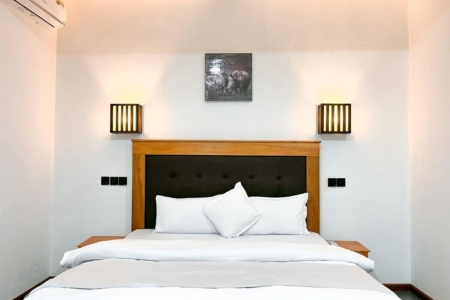
Moshi is one of the best places to stay before climbing Mount Kilimanjaro. Located in northern Tanzania, near the mountain’s southern slopes,... Read More
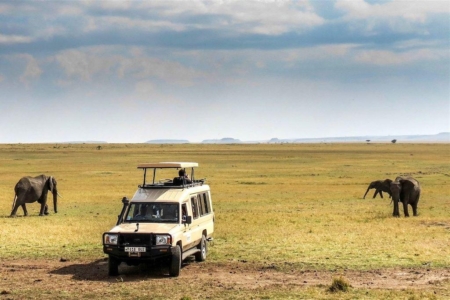
Planning a safari in Tanzania involves more than choosing national parks and wildlife experiences. You also need to decide where to spend... Read More

Join The Discussion