Arusha is one of the most important tourism cities in East Africa, but many travelers only see it as a transit point on the way to Serengeti, Ngorongoro, or Kilimanjaro. In reality, Arusha is a destination on its own with a rich mix of wildlife, culture, food experiences, adventure activities, and local life that reflects the heart of northern Tanzania.
What makes Arusha unique is its diversity. Within a short distance from the city center, you can move from busy markets and modern cafés to coffee farms, national parks, waterfalls, and Maasai villages. It is one of the few cities in Africa where safari life and everyday urban life exist side by side.
For travelers who take time to explore, Arusha becomes more than a stopover—it becomes an experience that shapes the entire journey in Tanzania.
Below is a deeper guide to the 20 best things to do in Arusha.
1. Explore Arusha National Park
Arusha National Park is one of the most unique and accessible safari destinations in Tanzania, located only a short drive from the city center. Despite being smaller than Serengeti or Tarangire, it offers an incredible variety of landscapes and wildlife experiences that make it a perfect introduction to Tanzania’s natural beauty.
What makes this park special is its diversity. Within a single visit, travelers can move through dense montane forests, open savannah plains, volcanic craters, and scenic lakes. Mount Meru rises dramatically in the background, creating one of the most iconic safari landscapes in northern Tanzania.
Wildlife in Arusha National Park includes giraffes, zebras, buffaloes, warthogs, bushbucks, and several primate species such as black-and-white colobus monkeys. Although the park does not have large predator populations like lions, it is still rich in biodiversity and ideal for relaxed game viewing.
One of the most important advantages of this park is the variety of activities available. Unlike many other national parks in Tanzania, Arusha allows walking safaris and canoeing experiences. Walking safaris are particularly popular because they allow visitors to experience wildlife at a slower, more immersive pace with a trained ranger. Canoeing on the small lakes provides a completely different perspective, especially for birdwatching enthusiasts.
The park is also a favorite for travelers who have limited time in Tanzania. It can be explored in a half-day or full-day trip, making it ideal for those arriving or departing from Kilimanjaro International Airport.
Arusha National Park is not about chasing the Big Five. Instead, it is about variety, scenery, and a gentle introduction to Tanzania’s wildlife ecosystems. It offers a peaceful and balanced safari experience that contrasts beautifully with the larger and more intense safari destinations in the country.
2. Coffee Farm Experience in the Highlands
The highlands surrounding Arusha are part of Tanzania’s most important coffee-growing regions, producing some of the finest Arabica coffee in East Africa. A coffee farm experience here is not just a tourist activity but a deep cultural journey into one of the country’s most important agricultural traditions.
During a coffee tour, visitors are guided through plantations where coffee is grown under natural shade conditions. Local farmers explain every stage of the process, starting from planting seedlings to harvesting ripe coffee cherries. This hands-on explanation gives travelers a clear understanding of how much effort and skill is required to produce high-quality coffee.
What makes this experience special is its interactive nature. Visitors are often invited to pick coffee cherries, remove the beans from their shells, and participate in traditional roasting methods. The roasting process is usually done over an open fire, using simple tools that have been passed down through generations.
After roasting, the final step is tasting. Travelers get to brew and taste fresh coffee directly from the farm, often while overlooking the plantations and surrounding mountain landscapes. The flavor is noticeably different from commercial coffee, offering a rich and natural taste that reflects the local soil and climate.
Beyond coffee itself, this experience also provides insight into rural life in northern Tanzania. Many farms are family-run, and coffee production is a major source of income for local communities. Visitors gain a better understanding of how agriculture supports livelihoods in the region.
A coffee tour near Arusha is ideal for travelers who want more than sightseeing. It combines education, culture, and sensory experience into one activity, making it one of the most memorable things to do in the region.
3. Maasai Cultural Experience
A Maasai cultural experience near Arusha offers one of the most recognizable cultural encounters in East Africa. The Maasai people are known for their distinctive dress, semi-nomadic lifestyle, and strong cultural traditions that have remained largely intact despite modernization.
When visiting a Maasai village, travelers are usually welcomed with traditional songs and dances that reflect community celebrations and storytelling traditions. The rhythmic jumping dance, often performed by warriors, is one of the most iconic elements of Maasai culture and is often part of the welcome ceremony.
Inside the village, visitors learn about traditional Maasai houses, known as enkangs, which are constructed using natural materials such as mud, sticks, and cow dung. These homes are built in circular settlements designed to protect livestock and family members.
The cultural experience also includes explanations of Maasai social structure, cattle herding practices, and traditional customs. Cattle are central to Maasai life, representing wealth, status, and survival. Guides often explain how livestock is used for food, trade, and cultural ceremonies.
Visitors also have the opportunity to interact with community members, ask questions, and sometimes participate in craft demonstrations such as beadwork, which plays an important role in Maasai identity and communication.
Although tourism has influenced some aspects of these experiences, many Maasai cultural visits still offer meaningful insight into a lifestyle that is deeply connected to nature and tradition.
A Maasai cultural experience near Arusha is not just about observation. It is about understanding a different way of life that continues to exist alongside modern Tanzania, making it one of the most important cultural activities in the region.
4. Walk Through Clock Tower Area
The Clock Tower area is considered the geographical and symbolic center of Arusha and is one of the most important urban landmarks in northern Tanzania. It sits roughly halfway between Cairo and Cape Town, making it a historic reference point for African travelers.
Walking through this area gives visitors a real sense of everyday life in Arusha. It is a busy urban hub filled with shops, banks, travel agencies, restaurants, and transport services. Many safari companies are also based nearby, which makes it an important starting point for trips to Serengeti, Ngorongoro, and Tarangire.
What makes the Clock Tower area interesting is its contrast. On one side, you see modern buildings, hotels, and offices serving international tourism. On the other side, you see local street life, small markets, and daily commerce that reflects the rhythm of Tanzanian city living.
For first-time visitors, this area is often the easiest introduction to Arusha because it is central and well-connected. Travelers can easily find taxis, exchange money, buy supplies, or arrange safari departures.
Although it is not a quiet or scenic area, it is one of the most practical places to understand how Arusha functions as a tourism gateway. It is where logistics, travel planning, and local business activity all meet in one place.
5. Cultural Heritage Centre
The Cultural Heritage Centre in Arusha is one of the most important cultural and artistic landmarks in Tanzania. It is a large complex that showcases African art, sculpture, jewelry, and historical artifacts from across the continent.
Unlike regular souvenir markets, this center focuses on curated art and high-quality craftsmanship. Visitors can explore galleries filled with hand-carved sculptures, traditional masks, paintings, gemstones, and cultural exhibits that represent different regions of Africa.
The experience is both educational and visual. Travelers gain insight into African history, artistic traditions, and the evolution of modern African art. Many pieces are created by well-known Tanzanian and African artists, making the center an important cultural institution.
Beyond the galleries, the center also includes shops where visitors can purchase authentic artwork and handmade crafts. Prices are higher than local markets, but the quality and authenticity are also significantly higher.
The Cultural Heritage Centre is ideal for travelers who want to understand African identity through art and culture. It is also one of the best places in Arusha for meaningful souvenir shopping.
6. Experience Local Markets
Local markets in Arusha offer one of the most authentic cultural experiences in the city. These markets are vibrant, crowded, and full of energy, reflecting the daily life of local communities.
Walking through a market, visitors encounter fresh fruits, vegetables, spices, clothing, household items, and handmade crafts. The atmosphere is lively, with traders calling out prices and customers negotiating deals. It is a direct reflection of Tanzania’s informal economy and social interaction.
For travelers, markets are not just places to shop but places to observe culture. They provide insight into what people eat, how they trade, and how communities interact in everyday life.
Photography in these markets is especially rewarding due to the colors, movement, and diversity of goods. However, respectful interaction is important, and asking permission before taking photos is recommended.
Markets also offer some of the most affordable souvenirs and local goods in Arusha, making them popular among budget travelers.
7. Try Authentic Tanzanian Food
Food in Arusha reflects a blend of traditional Tanzanian cuisine and international influence from tourism. Eating locally is one of the best ways to experience the culture of the region.
Traditional dishes include nyama choma, which is grilled meat often served with sauce or vegetables, ugali, which is a staple maize-based dish, and pilau rice, which is flavored with spices and often served during special occasions.
Fresh fish from nearby lakes, especially tilapia, is also widely available in restaurants. Street food is common and includes snacks such as mandazi, samosas, and grilled maize.
Dining in Arusha ranges from small local eateries to modern restaurants and cafés. Local restaurants provide affordable and authentic meals, while higher-end establishments cater to international travelers with diverse menus.
Food in Arusha is not just about eating; it is part of social life. Meals are often shared, and dining experiences reflect hospitality and community values.
8. Mount Meru Waterfalls
Mount Meru Waterfalls are one of the most refreshing natural escapes near Arusha, located on the lower slopes of Mount Meru. The journey to the waterfalls takes visitors away from the busy city into a quieter environment filled with forest paths, small farms, and local rural life. This transition alone is part of the experience because it shows how quickly Arusha shifts from urban energy to natural calm.
The waterfalls themselves are surrounded by dense greenery, creating a cool microclimate that feels completely different from the warm city below. Water flows down rocky cliffs into natural pools, forming a peaceful environment where visitors can relax, take photos, or simply enjoy the sound of flowing water. The area is especially popular for short hikes that combine light adventure with scenic beauty.
What makes Mount Meru Waterfalls special is its accessibility. Unlike major national park destinations, it does not require long travel times or expensive safari arrangements. It is suitable for families, solo travelers, and groups who want a simple nature experience without heavy planning.
Local guides often accompany visitors, explaining plant life, farming activities, and local traditions along the way. This adds a cultural layer to the natural experience. The combination of forest, waterfalls, and community interaction makes this one of the most balanced short excursions in Arusha.
For travelers who want a break between safaris or city exploration, Mount Meru Waterfalls offers a quiet and refreshing escape that highlights the natural beauty surrounding Arusha.
9. Day Trip to Materuni Waterfalls
Materuni Waterfalls is located on the slopes of Mount Kilimanjaro near Moshi, but it is commonly included in Arusha travel plans due to its popularity and accessibility from northern Tanzania. It is considered one of the most complete day trips in the region because it combines hiking, cultural experiences, coffee tours, and natural scenery.
The journey to the waterfall begins with a walk through lush banana plantations and small villages. Along the way, travelers experience rural life and interact with local farmers who depend on agriculture as their main source of income. This gives the experience a strong cultural foundation rather than just a scenic focus.
The waterfall itself is tall and powerful, dropping from a green cliff into a natural pool surrounded by dense forest. The atmosphere is cool, fresh, and peaceful, making it a perfect location for relaxation and photography. Visitors often spend time near the base of the waterfall enjoying the sound and mist created by the falling water.
One of the highlights of Materuni is the coffee experience. Local communities demonstrate traditional coffee processing methods, including roasting beans over open fire and grinding them using handmade tools. Visitors are then invited to taste fresh coffee prepared on-site, which creates a direct connection between agriculture and culture.
Materuni is not just about scenery. It is a full cultural and natural experience that combines multiple elements into a single journey. For travelers in northern Tanzania, it is one of the most rewarding day trips available.
10. Arusha Nightlife
Arusha’s nightlife is a reflection of its unique identity as both a tourism hub and a growing urban center. Unlike large international cities with intense nightlife scenes, Arusha offers a more relaxed and social evening atmosphere that blends local culture with tourism influence.
The city has a variety of rooftop bars, lounges, and entertainment venues where visitors can enjoy views of Mount Meru and the surrounding city lights. These spaces are popular among both tourists and locals, creating a mixed social environment that feels open and welcoming.
Live music is an important part of nightlife in Arusha. Many venues feature Afrobeat, reggae, traditional Tanzanian music, and contemporary performances. These events often attract diverse crowds, making nightlife feel more cultural than purely entertainment-driven.
Most nightlife activity is concentrated in central and well-developed areas of the city, particularly near major hotels and tourist districts. This makes it relatively easy for travelers to move around safely while enjoying evening activities.
What makes Arusha nightlife unique is its balance. It is not overwhelming or overly commercialized, but it still offers enough variety for travelers who want to relax after safari days or socialise in the evenings. It reflects the city’s identity as a calm but active tourism gateway.
11. Lake Duluti Experience
Lake Duluti is a small volcanic crater lake located just outside Arusha, surrounded by dense forest and rich birdlife. It is one of the most peaceful natural areas near the city and is often visited by travelers looking for quiet relaxation rather than adventure-based activities.
The lake is formed inside an extinct volcanic crater, which gives it a circular shape and deep calm waters. The surrounding forest creates a natural barrier that enhances the sense of isolation and tranquility. Because of this, Lake Duluti is often described as one of the most relaxing spots in northern Tanzania.
Visitors can explore the lake through canoeing, which allows for slow movement across the water while observing birds and natural vegetation along the edges. The area is particularly popular among birdwatchers due to the variety of species found in the forest ecosystem.
Walking trails around the lake offer another way to explore the environment. These paths are quiet and shaded, making them suitable for gentle walks and photography. The atmosphere is consistently calm, which makes Lake Duluti ideal for reflection, rest, or short escapes from the city.
For travelers staying in Arusha, Lake Duluti provides a balanced nature experience that does not require long travel or safari planning.
12. Safari to Tarangire National Park
Tarangire National Park is one of the most important safari destinations accessible from Arusha and is known for its large elephant populations and iconic baobab trees. It is often included in northern Tanzania safari circuits due to its proximity and rich wildlife density.
The park becomes especially impressive during the dry season when animals gather around the Tarangire River in large numbers. Elephants are the most dominant species here, often seen in herds moving through the landscape. Lions, giraffes, zebras, and numerous bird species also contribute to the wildlife diversity.
The scenery in Tarangire is distinct compared to other parks. The presence of ancient baobab trees creates a dramatic and almost prehistoric landscape that stands out in photographs and safari experiences.
Because it is closer to Arusha than Serengeti, Tarangire is often used for day trips or short safari extensions. It provides a less crowded and more relaxed safari experience, making it ideal for travelers who want wildlife viewing without long travel times.
13. Ngurdoto Crater
Ngurdoto Crater is part of Arusha National Park and is often referred to as the “Little Ngorongoro” due to its similar volcanic formation. It is a large crater surrounded by dense forest and steep walls that create a dramatic natural enclosure.
Unlike Ngorongoro, the crater floor is not accessible to visitors, but it can be viewed from designated viewpoints along the rim. These viewpoints offer panoramic scenery that highlights the depth and scale of the crater.
The area surrounding Ngurdoto is rich in vegetation and wildlife, including buffaloes, antelopes, and various bird species. The forest environment makes it one of the greenest and most scenic parts of the Arusha region.
Ngurdoto Crater is ideal for travelers who enjoy landscape photography and quiet natural viewpoints rather than active safari driving.
14. Souvenir and Craft Shopping in Arusha
Souvenir and craft shopping in Arusha is one of the most rewarding cultural experiences for travelers because it connects tourism directly with local creativity and craftsmanship. The city is known for its vibrant artisan community, where handmade goods reflect both Maasai traditions and broader Tanzanian artistic expression.
Visitors will find a wide range of products including wooden carvings, paintings, beadwork, textiles, jewelry, and decorative items. Each piece is typically handmade, meaning no two items are exactly the same. This gives souvenirs from Arusha a personal and authentic character compared to mass-produced imports found in many other destinations.
One of the most important aspects of shopping in Arusha is cultural interaction. Many artisans sell their products directly, allowing travelers to ask questions about the meaning, materials, and techniques used. This creates a deeper appreciation for the cultural stories behind each item.
Shopping areas vary from formal craft centers to open-air markets. Formal centers offer curated collections with fixed pricing and higher quality assurance, while markets provide more flexible pricing and bargaining experiences. Both environments offer valuable but different experiences depending on the traveler’s preference.
Beyond souvenirs, craft shopping also supports local livelihoods. Many artisans depend on tourism for income, and purchasing directly from them helps sustain traditional skills and small businesses in the region.
For many travelers, shopping in Arusha becomes more than buying gifts. It becomes a way of taking home a piece of Tanzanian culture, memory, and identity that represents their journey through northern Tanzania.
15. Hot Air Balloon Safari Experience (Serengeti Access)
The hot air balloon safari is one of the most exclusive and unforgettable experiences available in Tanzania, and although it takes place in the Serengeti, most travelers arrange it through Arusha-based safari operators.
This experience typically begins before sunrise when guests are transferred to the launch site in the Serengeti. As the balloon inflates, the landscape slowly comes alive with early morning light. Once airborne, travelers float silently above the savannah, witnessing vast herds of wildebeest, zebras, elephants, and giraffes moving across the plains.
The perspective from above is completely different from ground safaris. It allows travelers to understand the scale of the Serengeti ecosystem in a way that is impossible from vehicles. The experience is peaceful, uninterrupted, and visually breathtaking.
Flights usually last around one hour depending on wind conditions. After landing, guests are often welcomed with a traditional bush breakfast in the wilderness, which adds a celebratory and luxurious touch to the experience.
This activity is considered premium due to its cost and exclusivity, but it is often regarded as one of the highlights of a Tanzanian safari. It is especially popular among honeymooners, photographers, and luxury travelers seeking a once-in-a-lifetime experience.
The hot air balloon safari represents the emotional peak of a Tanzania safari journey, combining adventure, silence, and panoramic beauty in a single experience.
16. Wildlife Education Centers in Arusha
Wildlife education centers in and around Arusha play an important role in conservation awareness and environmental education. These centers are designed to help visitors understand Tanzania’s diverse ecosystems, native species, and the challenges faced in wildlife protection.
Unlike national parks, these centers focus more on learning than observation in the wild. They often house reptiles, birds, insects, and small mammals that are native to Tanzania. Guided tours provide explanations about animal behavior, habitats, and conservation efforts.
For many visitors, these centers offer a safe and controlled way to learn about wildlife before or after going on safari. They are especially useful for families and students who want a structured educational experience.
The centers also highlight important conservation topics such as habitat protection, human-wildlife conflict, and anti-poaching efforts. This helps travelers understand the broader ecological importance of Tanzania beyond tourism.
In addition, some centers are involved in rescue and rehabilitation efforts, where injured or displaced animals are cared for before being released back into the wild when possible.
Overall, wildlife education centers add depth to the safari experience by connecting tourism with conservation knowledge. They help visitors move beyond entertainment and develop a better understanding of the ecosystems they are exploring in Tanzania.
17. Café Culture in Arusha
Arusha has developed a growing café culture that reflects its position as both a tourism hub and an emerging digital city. Over the past decade, cafés have become important social and working spaces for travelers, expatriates, and local professionals.
Many cafés in Arusha serve high-quality Tanzanian coffee sourced from nearby highland farms. This creates a direct connection between local agriculture and urban consumption, allowing visitors to experience coffee at its origin while enjoying modern café environments.
These spaces are designed for comfort and productivity, often offering reliable internet, quiet seating areas, and relaxed atmospheres. This has made Arusha increasingly popular among digital nomads and remote workers who combine travel with work.
Cafés also serve as social meeting points. Travelers often use them to plan safaris, meet guides, or connect with other tourists. Locals use them for business meetings, study sessions, and casual gatherings.
The café culture in Arusha reflects a blend of global influence and local identity. While the design and service styles may resemble international cafés, the products and atmosphere remain deeply rooted in Tanzanian culture.
For many visitors, spending time in Arusha cafés becomes part of the travel experience itself, offering a slower and more reflective way to engage with the city.
18. Maasai Market Shopping Experience
The Maasai Market in Arusha is one of the most vibrant and culturally rich shopping experiences in northern Tanzania. It is a place where travelers can directly interact with artisans who specialize in Maasai-inspired crafts and handmade goods.
The market is filled with colorful stalls offering beadwork, jewelry, clothing, carvings, and decorative items. The visual atmosphere is striking, with bright colors and detailed craftsmanship reflecting Maasai cultural identity.
Shopping at the Maasai Market is not a passive experience. It is interactive, often involving negotiation and conversation between buyers and sellers. This creates a dynamic cultural exchange that is as important as the products themselves.
Each item sold in the market carries cultural meaning, especially beadwork, which is traditionally used to communicate age, status, and social identity within Maasai communities. Understanding this context adds depth to the shopping experience.
The market also plays an important economic role by supporting local artisans and small businesses. Many vendors rely heavily on tourism for income, making each purchase directly impactful.
For travelers, the Maasai Market offers both souvenirs and storytelling. It is not just a place to shop but a place to engage with living culture.
19. Art Galleries in Arusha
Arusha has a growing art scene supported by local and regional artists who use painting, sculpture, and mixed media to express cultural identity and modern African perspectives. Art galleries in the city showcase this creativity and provide visitors with insight into Tanzanian artistic expression.
These galleries display a wide range of works, from traditional African themes to contemporary abstract art. Many pieces reflect daily life, wildlife, spirituality, and social change in Tanzania and East Africa.
Visiting art galleries in Arusha is both a visual and educational experience. Travelers can learn about the inspiration behind artworks, the techniques used, and the stories artists aim to tell through their work.
Unlike mass tourism souvenirs, gallery pieces are often original or limited edition, making them significant cultural investments rather than simple purchases.
Art galleries also support the local creative economy by providing platforms for emerging and established artists. This helps sustain artistic careers and promotes cultural development within the region.
For many visitors, these galleries offer a deeper emotional connection to Tanzania, as art captures aspects of culture that go beyond what is seen in landscapes or wildlife.
20. Use Arusha as a Safari Base
The most important function of Arusha is serving as the gateway to Tanzania’s northern safari circuit. Almost every major safari to Serengeti, Ngorongoro, Tarangire, and Lake Manyara begins or passes through the city.
Arusha functions as a logistical center where travelers organize transportation, guides, permits, and accommodation before entering national parks. It is also where most safari companies are based, making it the operational heart of Tanzania’s tourism industry.
Beyond logistics, Arusha also serves as a cultural transition point. Travelers move from urban life into wilderness safaris, and then often return through Arusha before departing the country. This makes the city both a starting and ending point for most safari journeys.
The importance of Arusha as a safari base cannot be overstated. It connects infrastructure, tourism services, and travel planning into a single hub that supports the entire northern Tanzania safari ecosystem.
For travelers, understanding Arusha’s role helps create smoother, better-organized safari experiences and ensures that every journey into the wild begins with proper preparation.
Related

 by
by 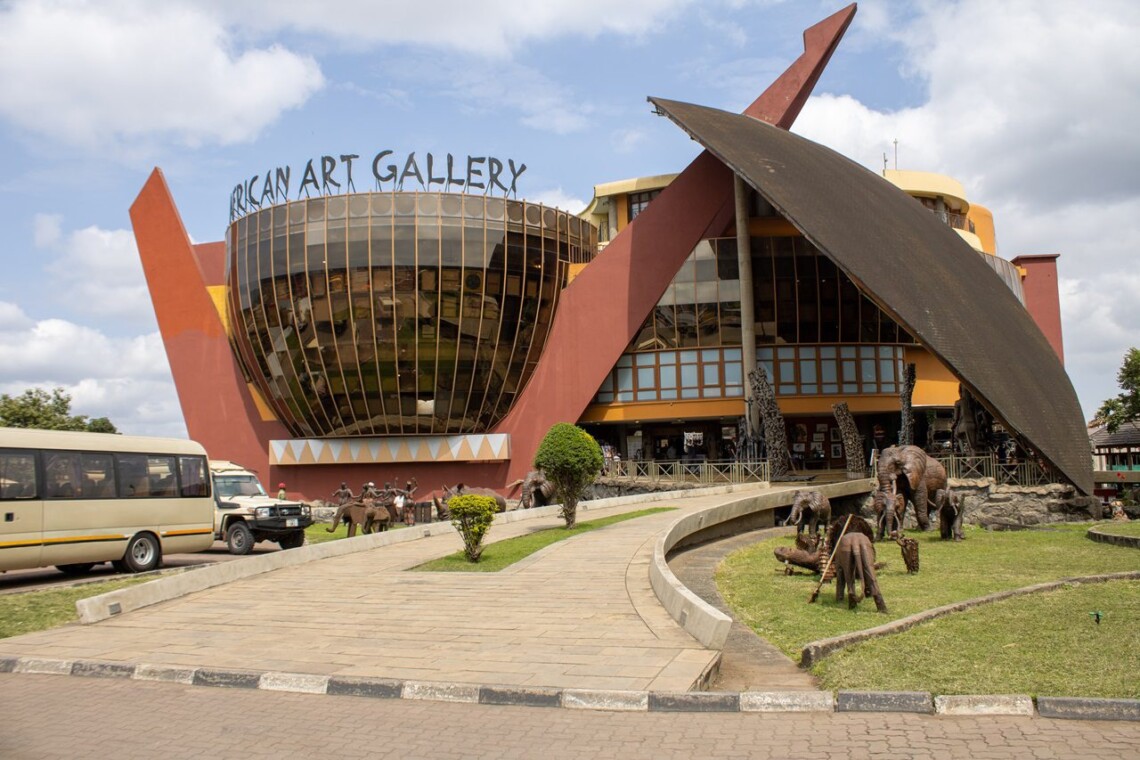



Join The Discussion