Best National Parks to Visit in Tanzania: Where to Go and What to See
Choosing the right park can make a big difference to your Tanzania safari. The best national parks to visit in Tanzania depend on what you want to see, how many days you have, when you travel, your budget and the type of safari experience you prefer. Serengeti stands out for the Great Migration and big cats, while Tarangire is known for elephants and baobab landscapes. Ngorongoro offers concentrated wildlife and dramatic scenery, while Nyerere and Ruaha provide a quieter southern experience.
But Tanzania has much more than these famous destinations. You can watch tree-climbing lions around Lake Manyara, track chimpanzees in Mahale or Gombe, explore the remote wilderness of Katavi, or combine several parks on one safari.
So, what are the best national parks to visit in Tanzania? There is no single answer for every traveler. The best park depends on the wildlife you want to see, the time of year you visit, how many days you have, your budget and whether you prefer a classic safari or a quieter experience.
In this guide, we compare Tanzania’s top national parks by wildlife, experiences, season, travel style and safari time, so you can choose the right park instead of simply following a “top six” list.
Which Tanzania National Park Is Best for You?
If you want…
Best choice
Why?
Great Wildebeest Migration
Serengeti
Huge plains, predators and seasonal migration
Big cats
Serengeti
Excellent opportunities to see lions, cheetahs and leopards
Rhinos and concentrated wildlife
Ngorongoro
The crater creates an exceptional wildlife-viewing area
Elephants and baobabs
Tarangire
Famous for large elephant herds and distinctive baobab scenery
Boat safari
Nyerere
Explore the Rufiji River by boat and see hippos, crocodiles and other wildlife
Remote wilderness
Ruaha
Vast landscapes, fewer visitors and strong wildlife viewing
Short northern safari
Lake Manyara
Compact park with varied habitats and wildlife
Chimpanzee trekking
Mahale or Gombe
Some of Tanzania’s best chimpanzee experiences
Short safari from Arusha
Arusha National Park
Convenient for a shorter wildlife and nature experience
Remote adventure
Katavi
Exceptional wilderness away from the main safari circuit
Tanzania Safari Parks at a Glance
The best safari region in Tanzania depends on what you want to see and how you want to travel. Northern Tanzania works best for first-time visitors, the Great Migration and classic wildlife safaris. Southern Tanzania suits travelers who want fewer vehicles, bigger wilderness areas and a quieter experience. Western Tanzania is the right choice for specialist trips focused on chimpanzees and remote wilderness.
Understanding these regions makes it easier to choose the right parks before you start planning your safari.
Northern Tanzania Safari Circuit
Best for: first-time visitors, classic safaris, the Great Migration and easy-to-combine itineraries.
The Northern Circuit is the most popular safari region in Tanzania and offers some of the country’s most famous wildlife destinations. You can combine Serengeti, Ngorongoro, Tarangire, Lake Manyara and Arusha National Park on one trip, depending on your available time.
Serengeti takes the lead for the Great Migration and big-cat viewing. Ngorongoro offers exceptional wildlife viewing inside the crater, while Tarangire stands out for elephants and baobab landscapes. Lake Manyara adds a different mix of forest, lake scenery and birdlife, and Arusha National Park provides a convenient option for travelers who want a shorter safari near Arusha.
For a first Tanzania safari, the Northern Circuit usually gives you the easiest way to experience several different landscapes and wildlife habitats in one journey.
Best for: fewer vehicles, vast wilderness, longer wildlife experiences and travelers who prefer a quieter safari.
Southern Tanzania offers a different atmosphere from the busy northern safari route. Nyerere, Ruaha, Mikumi and Udzungwa give travelers more opportunities to explore large natural areas away from the main tourist circuit.
Nyerere National Park adds an experience you cannot get from a typical game drive alone. The Rufiji River allows visitors to explore the park by boat, with opportunities to see hippos, crocodiles, elephants and many bird species.
Ruaha is another major attraction for travelers who want remote landscapes and strong wildlife viewing. Mikumi works well for shorter southern safaris, while Udzungwa appeals more to travelers interested in forests, hiking and nature.
Main parks:
Nyerere National Park
Ruaha National Park
Mikumi National Park
Udzungwa Mountains National Park
Western Tanzania
Best for: chimpanzee trekking, remote wilderness and travelers looking for an experience beyond the classic safari circuit.
Western Tanzania requires more planning and travel time, but that distance is part of its appeal. Mahale, Gombe and Katavi offer experiences that differ greatly from the famous northern parks.
Mahale and Gombe are particularly well known for chimpanzee experiences, while Katavi attracts travelers who want a much more remote wilderness setting.
You do not need to visit Western Tanzania to enjoy a great Tanzania safari. Instead, consider this region when you want something more specialised, adventurous and far from the standard safari route.
Main parks:
Mahale Mountains National Park
Gombe National Park
Katavi National Park
The Best National Parks in Tanzania
1. Serengeti National Park: Best for the Great Migration and Big Cats
Choose Serengeti if the Great Migration, lions, cheetahs, leopards and classic open-plains safari are high on your list. Serengeti offers one of Tanzania’s most complete safari experiences, with huge grasslands, large wildlife populations and some of Africa’s most famous predator encounters.
What Can You See in Serengeti?
Serengeti supports an impressive range of wildlife. You can look for lions, cheetahs, leopards, elephants, giraffes, buffalo, hippos, hyenas, wildebeest and zebras, along with many smaller animals and birds.
The park’s open terrain makes wildlife easier to spot in many areas. However, sightings always depend on the season, location and luck. A skilled guide can make a big difference by understanding animal behavior and knowing where to look.
The Great Migration
The Great Wildebeest Migration makes Serengeti one of Tanzania’s most famous safari destinations. Millions of wildebeest, together with large numbers of zebras and other grazing animals, move through the Serengeti ecosystem in search of fresh grass and water.
The migration does not follow one simple route every year. Its location changes with rainfall and food availability. Depending on the month, you may see large herds around the southern plains, central Serengeti, western areas or northern Serengeti.
If your main goal is to see the migration, choose your travel dates around the experience you want, rather than assuming one month guarantees the same wildlife action everywhere.
Serengeti Predators
Serengeti is particularly rewarding for travelers who love predators. Lions are widespread, while cheetahs often hunt across open grasslands and leopards tend to stay more secretive around trees and rocky areas.
The large concentrations of grazing animals provide predators with plenty of opportunities to hunt. You may also encounter spotted hyenas, jackals and other smaller predators during game drives.
The Serengeti Landscape
The Serengeti is famous for its wide golden plains, but the landscape changes across the park. You can find grasslands, rocky kopjes, river areas, wooded sections and seasonal water sources.
These different habitats support different wildlife experiences. The famous open plains work especially well for spotting grazing herds and cheetahs, while rocky kopjes can provide excellent places to search for lions and other animals.
Best Time to Visit Serengeti
The best time depends on what you want to see.
January to March: Excellent period for the calving season in the southern Serengeti and Ndutu area.
April to May: Green landscapes, fewer visitors and a quieter safari atmosphere, although rainfall can affect road conditions.
June to July: Good time for dry-season wildlife viewing, with the migration moving through western and northern areas depending on conditions.
August to October: Popular months for northern Serengeti and possible Mara River crossing activity.
November to December: Short rains bring fresh vegetation and seasonal movement across the ecosystem.
Migration timing can change from year to year because rainfall controls the movement of the herds.
How Many Nights Do You Need in Serengeti?
Plan at least 2-3 nights if Serengeti is an important part of your safari. One night can feel rushed because the park covers a huge area and wildlife locations change.
With 3-4 nights, you have more time to explore different areas and enjoy several game drives without constantly moving camps.
If the Great Migration is your main reason for visiting, staying longer in the right migration area usually makes more sense than trying to visit too many parks in a short trip.
Who Should Visit Serengeti?
Serengeti suits travelers who want:
The Great Wildebeest Migration
Excellent predator viewing
Classic African landscapes
Large herds of wildlife
A first-time Tanzania safari
Photography opportunities
Several days of game drives
Luxury or mid-range safari experiences
Who May Prefer Another Park?
Serengeti may not be the best choice if you have very limited time, want a quiet safari away from popular routes, or prefer activities beyond traditional game drives.
For a shorter safari, Tarangire or Lake Manyara may fit your itinerary better. If you want boat safaris and a quieter southern experience, consider Nyerere. For a more remote wilderness atmosphere, Ruaha can be a better match.
Where to Stay in Serengeti
Your accommodation location matters because Serengeti is so large. Staying in Central Serengeti works well for travelers who want a convenient base for exploring the Seronera area. Northern Serengeti makes more sense during certain migration periods, while southern areas can work well during the calving season.
You can choose from public campsites, tented camps, lodges and luxury safari camps, with prices changing significantly by location, season and level of comfort.
Before booking, check the property’s location rather than choosing a hotel based only on its name or price.
How to Combine Serengeti With Other Parks
Serengeti fits naturally into a Northern Tanzania safari, but the ideal combination depends on how much time you have and what you want to experience.
A 4-5 day safari can combine Tarangire, Ngorongoro and Serengeti for a compact introduction to Tanzania’s northern parks.
With 6-7 days, give Serengeti more time while keeping Tarangire and Ngorongoro in the itinerary. Extra nights allow you to enjoy more game drives instead of spending most of your trip moving between destinations.
Travelers with 8-10 days can take a slower approach. Spend several nights in Serengeti, explore different areas of the park and add another destination that matches your interests. For example, you could include Lake Manyara for birdlife and varied scenery or choose another night in Ngorongoro for a more relaxed Northern Circuit experience.
The goal is not to visit as many parks as possible. A well-paced safari with enough time in each destination usually creates a better experience than rushing from one park to another.
2. Ngorongoro Conservation Area: Best for Concentrated Wildlife and Rhinos
Choose Ngorongoro if you want dramatic scenery and a strong chance of seeing a wide variety of wildlife in a relatively compact area. The Ngorongoro Conservation Area is one of Tanzania’s most remarkable safari destinations, combining a huge volcanic crater, rich wildlife and spectacular landscapes in one place.
What Makes the Ngorongoro Crater Special?
The Ngorongoro Crater formed when a large volcano collapsed long ago, creating a vast enclosed caldera. Today, its fertile floor supports grasslands, forests, wetlands and a permanent water supply that attracts wildlife throughout the year.
Because the crater has such a concentration of animals within a relatively small area, you can experience a productive game drive without covering the enormous distances that you would encounter in Serengeti.
What Wildlife Can You See?
A crater safari can produce a wide range of sightings in a single day. You may encounter lions, elephants, buffalo, zebras, wildebeest, hippos, hyenas, jackals and many species of birds.
The crater also provides one of Tanzania’s better opportunities to look for the endangered black rhino. Seeing one is never guaranteed, but the open crater environment can make these animals easier to spot than in some larger, more densely vegetated areas.
The Scenery Is Part of the Experience
Ngorongoro is not only about wildlife. The crater’s steep walls create a dramatic backdrop around the grasslands below, with forests covering parts of the surrounding slopes.
Early morning views can feel especially impressive as the crater floor sits beneath the surrounding highlands. The combination of volcanic scenery, wildlife and changing light makes Ngorongoro particularly attractive to photographers.
How Long Should You Stay?
One full day inside the crater can provide a strong safari experience, which makes Ngorongoro useful for travelers with limited time.
However, the wider Ngorongoro Conservation Area offers more than the crater. Travelers who want to explore cultural, archaeological or walking experiences can spend additional time in the area rather than treating it only as a single game drive.
Who Should Visit Ngorongoro?
Ngorongoro works especially well for travelers who want:
A high concentration of wildlife
A chance to see black rhinos
Dramatic volcanic scenery
A shorter but productive game-drive experience
A classic Northern Tanzania safari
A destination that combines well with Serengeti
A strong option for first-time safari travelers
How Does Ngorongoro Compare With Serengeti?
Serengeti is better for scale, the Great Migration and extended predator-focused game drives, while Ngorongoro is better for concentrated wildlife and dramatic scenery.
You do not necessarily need to choose between them. Combining both gives you two very different safari experiences: the enormous open ecosystem of Serengeti followed by the enclosed wildlife-rich landscape of the crater.
How Does Ngorongoro Combine With Tarangire?
Tarangire and Ngorongoro also make a natural combination on a Northern Circuit safari.
Tarangire brings elephants, baobabs and a distinctive dry-country landscape, while Ngorongoro adds the crater, concentrated wildlife and the possibility of seeing black rhinos.
A common route can therefore look like:
Tarangire → Ngorongoro → Serengeti
This combination gives you different landscapes and wildlife experiences without trying to visit too many destinations at once.
Where to Stay Near Ngorongoro
You can stay around the Ngorongoro Highlands and crater rim, with options ranging from campsites to lodges and luxury properties. Staying nearby allows you to start your crater visit early and avoid spending too much time traveling from a distant base.
When choosing accommodation, look at the property’s distance from the crater access point, views, facilities, meal options and total cost, rather than choosing only by price.
Is Ngorongoro a National Park?
No. Ngorongoro is not a national park. It is the Ngorongoro Conservation Area. The area has a different conservation model that combines wildlife protection with permitted human activities and Maasai pastoralist communities.
We include it in this guide because travelers commonly search for Ngorongoro when looking for the best national parks and safari destinations in Tanzania, and it remains one of the country’s most important places for a safari.
3. Tarangire National Park: Best for Elephants and Baobabs
Choose Tarangire if elephants, baobab landscapes and a quieter northern safari appeal to you. The park offers a different experience from the open plains of Serengeti and the crater setting of Ngorongoro. Its mix of grasslands, woodland, seasonal swamps and ancient baobabs creates a distinctive landscape where elephants are one of the main attractions.
What Can You See in Tarangire?
Tarangire supports a wide variety of wildlife, including elephants, lions, leopards, buffalo, giraffes, zebras, wildebeest, impalas, gazelles and many bird species.
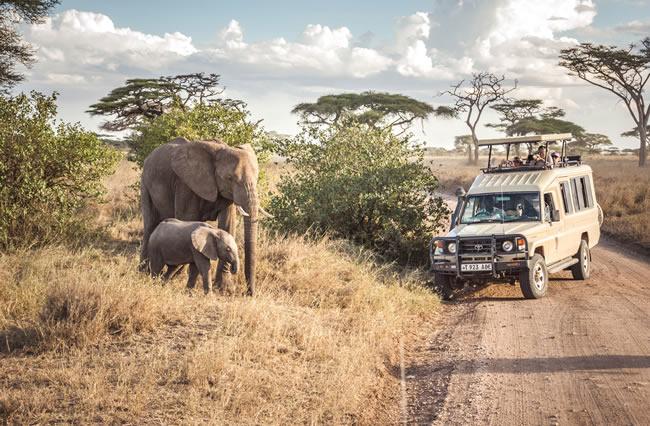
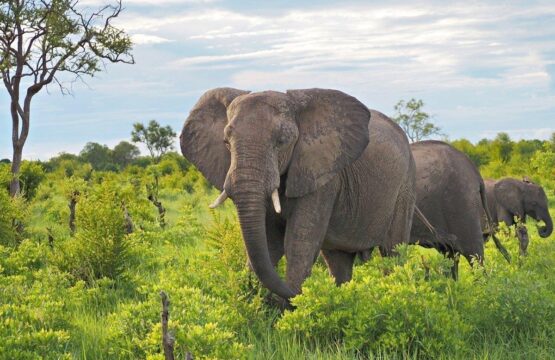
Elephants are particularly important to the park’s identity. Large herds can gather around water sources, especially during the dry season when wildlife concentrates near the Tarangire River and other remaining water areas.
You may also find predators following the movement of their prey, although sightings vary from day to day.
Why Are Tarangire’s Baobabs So Special?
The baobab trees give Tarangire a landscape you will not mistake for Serengeti. Their enormous trunks and unusual shapes rise above the grasslands and woodland, creating some of the park’s most memorable scenery.
The combination of elephants moving beneath ancient baobabs makes Tarangire especially attractive to photographers and travelers who want more than traditional plains scenery.
Is Tarangire Only a One-Day Safari?
No. Tarangire can deserve more than one day, especially during the dry season or when elephants are a major priority.
A one-day visit works well for travelers with a tight itinerary, but staying longer gives you more time to explore different parts of the park and follow changing wildlife activity.
With two nights, you can enjoy multiple game drives without rushing through the park. This also gives your guide more flexibility to search for wildlife at different times of the day.
The right length depends on your priorities. If you mainly want to see elephants before continuing to Ngorongoro and Serengeti, one full day may be enough. Travelers interested in photography, birdlife, landscapes or a slower safari can benefit from staying longer.
Best Time to Visit Tarangire
The dry season is particularly rewarding for wildlife viewing, as animals gather around reliable water sources.
From roughly June to October, wildlife becomes easier to find in many areas as water and vegetation become more limited. The park can also offer good experiences during the green season, when fresh vegetation attracts wildlife and the landscape becomes more vibrant.
Your choice of timing should therefore depend on whether you prioritize concentrated wildlife viewing, greener scenery, fewer visitors or a specific safari experience.
Who Should Visit Tarangire?
Tarangire is a strong choice for travelers who want:
Large elephant herds
Baobab landscapes
Excellent photography opportunities
A quieter alternative to some northern safari destinations
Birdwatching
A relaxed game-drive experience
A shorter Northern Circuit safari
More time in one park rather than constant movement
Who May Prefer Another Park?
If the Great Wildebeest Migration is your main goal, Serengeti makes more sense. Travelers looking for chimpanzees or boat safaris should consider destinations outside the Northern Circuit.
Tarangire also may not suit travelers who want the dramatic crater scenery of Ngorongoro or the huge open plains associated with Serengeti.
How to Combine Tarangire With Other Parks
Tarangire works particularly well at the beginning of a Northern Circuit itinerary.
A classic route can follow:
Tarangire to Ngorongoro to Serengeti
This combination gives you three very different experiences. Tarangire brings elephants and baobabs, Ngorongoro offers concentrated wildlife inside a volcanic landscape, and Serengeti opens into a much larger ecosystem famous for predators and the Great Migration.
For a shorter safari, Tarangire + Ngorongoro can also provide a strong introduction to northern Tanzania without trying to cover too much ground.
4. Lake Manyara National Park: Best for Birdlife and Varied Landscapes
Choose Lake Manyara if you want a shorter safari experience with varied landscapes, birdlife and forested areas. The park packs several different habitats into a relatively compact area, giving you a safari that feels quite different from the open plains of Serengeti or the baobab-dotted scenery of Tarangire.
What Can You See in Lake Manyara?
Lake Manyara supports a variety of wildlife, including elephants, buffalo, giraffes, zebras, wildebeest, hippos, baboons, monkeys and several antelope species.
The park is also known for its birdlife. Depending on the season, you can see flamingos, pelicans, storks, herons, kingfishers and many other waterbirds, as well as birds that live in the forest and woodland.
Why Is Lake Manyara Good for Birdwatching?
Birdlife is one of Lake Manyara’s biggest attractions. The lake, wetlands, woodland and forest create different habitats that support a wide range of species.
Birdwatchers can find both resident and migratory birds, while general safari travelers can enjoy bird sightings alongside traditional game viewing.
Elephants in the Forest
Lake Manyara also offers good opportunities to see elephants, particularly around its woodland and forested areas.
Watching elephants move between trees gives you a different experience from seeing large herds in the open landscapes of Tarangire. The park’s dense vegetation can also make wildlife encounters feel more intimate, although it can sometimes make animals harder to spot.
The Forest Makes Manyara Different
One of Lake Manyara’s biggest strengths is its changing scenery. After entering the park, you can move through groundwater forests before reaching open woodland, grassland and areas around the lake.
This variety makes the drive itself part of the experience. You are not simply looking for animals; you are moving through several distinct habitats within one safari.
The Lake and Its Wildlife
Lake Manyara gives the park its name and adds another important habitat. The lake attracts waterbirds and supports hippos, while its surrounding areas provide feeding and resting grounds for other wildlife.
Water levels change with the seasons, so the appearance of the lake and the number of birds you see can vary throughout the year.
Is Lake Manyara Good for a Short Safari?
Yes. Lake Manyara works particularly well when you have limited time. Its compact size and location along the Northern Circuit make it possible to include the park without dedicating several days to it.
A game drive can fit comfortably into a Northern Tanzania itinerary between other major destinations. That makes Manyara useful for travelers who want to experience another landscape without adding a long detour.
Is Lake Manyara Good for Families?
Lake Manyara can suit families who want a varied safari without spending several days in one large park. The changing landscapes, elephants, monkeys, birds and other wildlife keep the experience varied.
Families should still consider the total driving time when planning a Northern Circuit safari, especially when traveling with young children. A well-paced itinerary often works better than trying to visit every park.
Lake Manyara vs Tarangire
Both parks work well on a Northern Tanzania safari, but they offer different experiences.
Lake Manyara
Tarangire
Main attraction
Birdlife and varied habitats
Elephants and baobabs
Landscape
Forest, woodland, lake and grassland
Woodland, grassland and baobab scenery
Best for
Short safaris and birdwatching
Wildlife viewing and elephants
Safari style
Compact and varied
More time for game drives
Families
Good option
Good option
Best combination
Ngorongoro and Tarangire
Ngorongoro and Serengeti
Choose Lake Manyara for habitat variety and birdlife; choose Tarangire when elephants and distinctive baobab landscapes are your main priorities.
For travelers with enough time, visiting both can add variety to a Northern Circuit safari rather than choosing one simply because they are close to each other.
5. Nyerere National Park: Best for Boat Safaris and Southern Wilderness
Choose Nyerere if you want a safari that combines traditional game drives with boat-based wildlife viewing. Nyerere National Park gives you a different way to experience Tanzania, with the Rufiji River, wetlands, lakes and large wilderness areas adding experiences that you do not get from a standard Northern Circuit safari.
What Makes Nyerere Different?
The biggest difference is the combination of land and water-based safari experiences. You can spend part of your day looking for wildlife from a safari vehicle and another part exploring the waterways by boat.
The Rufiji River forms one of the park’s most important natural features. Its waterways attract hippos, crocodiles, elephants and numerous bird species, creating excellent opportunities for wildlife viewing from a completely different perspective.
What Can You See in Nyerere?
Nyerere supports a wide range of wildlife, including elephants, hippos, crocodiles, giraffes, buffalo, lions, wild dogs and many bird species.
Wildlife sightings can change depending on the season and location, so the experience does not revolve around one famous animal. Instead, Nyerere rewards travelers who enjoy exploring different habitats and seeing how animals interact with rivers and wetlands.
Why Take a Boat Safari?
A boat safari is the reason many travelers choose Nyerere over a conventional game-drive-only destination.
From the water, you can watch hippos gather in the river, crocodiles rest along the banks and birds feed around the wetlands. You may also see elephants approaching the water.
The experience feels slower than a game drive and puts more attention on the river environment. For photographers, birdwatchers and travelers who want something different, this can become one of the highlights of the trip.
Is Nyerere Good for a First Safari?
Yes, but it depends on what you expect from your first safari. If your dream involves the Great Migration, endless Serengeti plains and large concentrations of predators, the Northern Circuit will probably suit you better.
Nyerere makes more sense when your idea of a safari includes wilderness, waterways, boat trips and a less conventional itinerary.
You can also combine Nyerere with other southern destinations instead of trying to recreate a Northern Circuit safari in the south.
How Many Nights Do You Need in Nyerere?
Plan at least 23 nights if you want to experience both game drives and a boat safari without rushing.
A longer stay gives you more flexibility to take different game drives, spend time on the waterways and enjoy your accommodation rather than treating the park as a quick stop between destinations.
For a southern Tanzania safari, 3-m-4 nights in Nyerere can work particularly well when combined with Ruaha.
Who Should Visit Nyerere?
Nyerere is a strong choice for travelers who want:
Boat safaris
Hippos and crocodiles around waterways
Elephants and other large mammals
Birdwatching
Fewer vehicles than the busiest northern destinations
A quieter safari atmosphere
A combination of boat trips and game drives
A southern Tanzania adventure
A slower, more relaxed safari experience
Who May Prefer Another Park?
If the Great Wildebeest Migration is your main priority, choose Serengeti. Travelers who want huge elephant herds surrounded by baobabs may prefer Tarangire, while those looking for chimpanzee trekking should consider western Tanzania.
Nyerere also requires more travel planning than some Northern Circuit parks, so it may not be the most convenient choice for a very short Tanzania safari.
Where Should You Stay in Nyerere?
Your accommodation location can shape your Nyerere experience. Look for camps or lodges that give you practical access to the areas you want to explore and offer the activities you care about, especially if a boat safari is important to you.
SafariLala’s approach should go beyond asking, “Which lodge is cheapest?” Consider the location, boat-safari access, meal plan, room type, included activities, transfer arrangements and distance from other parts of your itinerary before booking.
Two properties with similar prices can offer very different experiences because of their location and what they include.
How to Combine Nyerere With Other Parks
Nyerere works particularly well with Ruaha National Park for a Southern Circuit safari.
Nyerere + Ruaha gives you two contrasting experiences: waterways and boat safaris in Nyerere, followed by expansive wilderness and excellent land-based wildlife viewing in Ruaha.
If you have more time, you can add Mikumi or other southern destinations. However, avoid adding too many parks simply to increase the number of places on your itinerary. Southern Tanzania rewards travelers who allow enough time to slow down and enjoy each destination.
Nyerere or Serengeti: Which Should You Choose?
The answer depends on the experience you want.
Choose Serengeti for the Great Migration, big cats and classic open-plains safari. Choose Nyerere for boat safaris, river landscapes and a quieter southern wilderness experience.
Neither destination needs to replace the other. They simply offer different reasons to visit Tanzania.
6. Ruaha National Park: Best for Remote Wilderness and Elephants
Choose Ruaha if you want a wild, spacious safari with fewer visitors and excellent elephant and predator viewing. Ruaha offers a more rugged safari experience, with vast landscapes, seasonal rivers and large areas of wilderness that give the park a strong sense of space and isolation.
What Can You See in Ruaha?
Ruaha supports an impressive range of wildlife, including elephants, lions, leopards, buffalo, giraffes, zebras, hippos, wild dogs and many antelope species.
Elephants are one of the park’s major attractions. Large numbers move through the park, often around water sources and river systems. Predators also thrive here, giving you opportunities to look for lions, leopards and other carnivores during game drives.
Wildlife sightings can vary from one season and area to another, so a good guide and enough time in the park can make a significant difference.
Why Is Ruaha Known for Wilderness?
Ruaha feels spacious and wild. The park covers a huge area, and its landscapes change between open plains, woodland, rocky areas and river valleys.
The Great Ruaha River plays an important role in the ecosystem. It provides water for wildlife and creates a natural focus for animal activity, particularly when other water sources become scarce.
Instead of moving between crowded viewing points, you can spend long periods exploring the landscape and searching for wildlife.
Ruaha vs Serengeti
Both parks offer excellent wildlife viewing, but the experience feels very different.
Serengeti is the stronger choice for the Great Migration, open plains and classic big-cat safari. Ruaha suits travelers who value wilderness, elephants, varied landscapes and a quieter atmosphere.
If you have already visited Serengeti and want to experience another side of Tanzania, Ruaha can be an excellent addition.
Best Time to Visit Ruaha
The dry season generally offers strong wildlife-viewing conditions, as animals become more dependent on remaining water sources.
The period from around June to October can work particularly well for game viewing. The landscape also changes with the seasons, so travelers who prefer greener scenery and fewer visitors may find the wetter months appealing.
Rather than choosing dates based only on a “best month,” consider whether your priority is concentrated wildlife, green scenery, photography or a quieter safari.
How Many Nights Do You Need in Ruaha?
Plan at least 2-3 nights for a worthwhile Ruaha safari. The park’s size makes a longer stay valuable because you can explore more areas without rushing between game drives.
With 3-4 nights, you have enough time to enjoy several drives and experience the park at a slower pace. That suits Ruaha particularly well because its appeal comes from the overall wilderness experience, not just checking off a list of animals.
Who Should Visit Ruaha?
Ruaha is a strong choice for travelers who want:
A remote wilderness experience
Elephants
Lions and leopards
Large natural landscapes
Fewer vehicles
Photography opportunities
A quieter alternative to the Northern Circuit
A Southern Tanzania safari
Several days of relaxed game drives
Who May Prefer Another Park?
Travelers whose main goal is the Great Wildebeest Migration should choose Serengeti. If boat-based wildlife viewing interests you most, Nyerere offers a more suitable experience.
Ruaha may also feel too remote for someone planning a very short safari who wants to combine several famous destinations quickly.
How to Combine Ruaha With Nyerere
Ruaha and Nyerere make one of the strongest combinations in Southern Tanzania.
Nyerere introduces boat safaris and river-based wildlife viewing, while Ruaha focuses on expansive landscapes and traditional game drives. Together, they provide a much broader southern safari experience than visiting either park alone.
A slower itinerary might look like:
Nyerere → Ruaha
Allow several nights in each destination rather than trying to cover both in only a few days. The longer travel distances make a relaxed itinerary more enjoyable.
Where to Stay in Ruaha
Accommodation ranges from campsites and simple tented camps to comfortable lodges and luxury safari camps. Your choice should depend on more than the room itself.
Check the property’s location, access to game-viewing areas, included activities, meal plan, transfer arrangements and seasonal rates before booking.
For SafariLala readers, this is especially important: a cheaper room is not always better value if it requires longer transfers or excludes activities you expected to be included.
Is Ruaha Worth Visiting?
Yes, especially if you want to experience Tanzania beyond the busiest safari routes. Ruaha combines elephants, predators, dramatic landscapes and a genuine sense of wilderness.
It may not have the same name recognition as Serengeti, but that is part of its appeal. Travelers who prefer space, slower game drives and a less crowded safari often find Ruaha a better match.
7. Mikumi National Park: Best for a Shorter Southern Safari
Choose Mikumi National Park if you want to experience a southern Tanzania safari without spending several days traveling deep into the region. Its open grasslands, woodland and wildlife-rich plains make it a practical choice for travelers with limited time, especially those starting or ending their trip in Dar es Salaam.
What Wildlife Can You See in Mikumi?
Mikumi offers a good variety of wildlife in a relatively compact safari setting. During game drives, you may spot:
Elephants
Lions
Giraffes
Zebras
Buffalo
Hippos
Wildebeest
Impalas and other antelopes
Crocodiles
Many bird species
The Mkata River and surrounding floodplain attract wildlife, particularly when water and fresh vegetation draw animals into the area. Lions can also be seen hunting or resting around the open plains.
Why Choose Mikumi for a Short Trip?
Mikumi makes sense when your safari schedule is tight. A 2-day or 3-day safari can give you enough time for game drives without requiring the longer travel commitment associated with more remote southern parks such as Ruaha.
Travelers with only a few days in Tanzania can use Mikumi as a focused wildlife experience rather than trying to visit too many destinations. It can also work well as an addition to a wider southern Tanzania itinerary.
Who Should Visit Mikumi?
Mikumi is a good choice for:
First-time safari travelers with limited time
Travelers based in or passing through Dar es Salaam
Couples looking for a short wildlife escape
Families who prefer a shorter safari
Visitors who want to explore southern Tanzania without a long remote journey
If you have more time, Nyerere and Ruaha offer a deeper southern Tanzania experience. Mikumi works best when convenience and a shorter safari matter more than reaching the most remote wilderness areas.
How Long Should You Stay?
For a quick wildlife trip, 2 days and 1 night can work well. A 3-day safari gives you more time for game drives and a more relaxed pace.
You can also combine Mikumi with Nyerere National Park if you want to experience both traditional game drives and the boat-safari experience along the Rufiji River.
Mikumi is not necessarily Tanzania’s most remote or exclusive safari destination, but its accessibility and wildlife variety make it one of the most practical choices when time is limited.
8. Arusha National Park: Best for a Short Safari Near Arusha
Choose Arusha National Park if you want a quick wildlife and nature experience before or after a Kilimanjaro climb, Mount Meru trek, or longer Tanzania safari. Located close to Arusha city, the park offers a mix of forest, open grassland, lakes and Mount Meru scenery without requiring several days of travel.
What Makes Arusha National Park Different?
Arusha National Park stands out because of its variety of landscapes rather than one single wildlife attraction. The park stretches from lower forest areas to the slopes of Mount Meru, with the Momella Lakes adding another distinctive part of the scenery.
You can see giraffes, buffaloes, zebras, warthogs, antelopes and many bird species during a game drive. The forest also provides habitat for monkeys, including black-and-white colobus monkeys.
Mount Meru creates a dramatic backdrop throughout parts of the park. On clear days, you can also get beautiful views toward Mount Kilimanjaro.
Who Should Consider Arusha National Park?
Arusha National Park works especially well for travelers who already plan to spend time in northern Tanzania. Consider adding it if you:
Have only one or two free days in Arusha
Are preparing for a Kilimanjaro climb
Want a nature experience before a longer safari
Are interested in Mount Meru and its surrounding landscapes
Prefer a short game drive rather than a multi-day safari
Enjoy combining wildlife with hiking or other outdoor activities
It also makes a good option for travelers who do not want to spend their entire trip on long game drives.
How Long Do You Need?
You can explore Arusha National Park on a full-day trip from Arusha, making it one of the easiest parks to add to a northern Tanzania itinerary. A longer stay can make sense if you want to combine game viewing with other activities or spend more time around Mount Meru.
For someone arriving in Arusha before a Kilimanjaro climb, a short visit can add wildlife and scenery to the trip without taking too much energy or time from the trek.
Arusha National Park vs a Classic Safari
Arusha National Park is not the place to choose if your main goal is the Great Wildebeest Migration or spending several days following large concentrations of wildlife. Serengeti and Ngorongoro are stronger choices for a classic big-game safari.
Arusha offers something different: a compact mix of wildlife, forest, lakes and mountain scenery close to Arusha city.
That makes it particularly useful for travelers who want to fill a free day before a Kilimanjaro adventure, add a short nature experience to a longer itinerary, or explore northern Tanzania without committing to another multi-day safari.
Tanzania’s Specialist Parks
Tanzania has several national parks that offer experiences far beyond the classic game-drive safari. If you have already seen the main northern safari circuit or want a more unusual adventure, these parks can take you into forests, remote wilderness, islands and the shores of Lake Tanganyika.
Parks for Travelers Who Want Something Different
Mahale Mountains National Park
Best for chimpanzee trekking and Lake Tanganyika.
Mahale Mountains National Park combines rainforest, mountain scenery and the clear waters of Lake Tanganyika. Its biggest attraction is chimpanzee trekking, where you can walk through the forest in search of wild chimpanzees.
The experience feels very different from a traditional safari. Instead of spending most of the day in a vehicle, you explore the forest on foot and then return to a beautiful lakeside setting. Mahale suits travelers who want wildlife, hiking and a remote African experience in one trip.
Gombe National Park
Best for chimpanzee trekking and forest experiences.
Gombe National Park is one of Tanzania’s most distinctive destinations for primate experiences. Forest-covered hills surround Lake Tanganyika, creating a setting where chimpanzee trekking becomes the main focus of the visit.
The park is a strong choice for travelers who enjoy walking, forests and wildlife encounters rather than traditional savanna game drives. Gombe works particularly well for visitors who want to explore a quieter and more specialized side of Tanzania.
Katavi National Park
Best for remote wilderness and travelers who want to get far away from the usual safari routes.
Katavi is for travelers who want space, solitude and a genuine sense of wilderness. The park lies far from Tanzania’s busiest safari circuits, so visiting it requires more planning and travel time.
Its wide plains, seasonal rivers and woodland support elephants, buffaloes, hippos, lions and other wildlife. The real attraction, however, is the feeling of being somewhere few travelers reach.
Choose Katavi when the journey itself is part of the adventure and you would rather explore a remote wilderness than follow the most popular safari route.
Rubondo Island National Park
Best for an unusual island-and-wildlife experience.
Rubondo Island offers a completely different way to experience Tanzania. Located in Lake Victoria, the park combines forest, wetlands, lakeshore habitats and island scenery.
Wildlife experiences here can include chimpanzees, elephants, giraffes, hippos, antelopes and a wide range of birds. You can also enjoy activities beyond conventional game drives, making Rubondo an interesting option for travelers who want wildlife in an unusual setting.
Rubondo suits adventurous travelers who have extra time and want to add something unexpected to a Tanzania itinerary.
Which Specialist Park Should You Choose?
Your choice depends mainly on the experience you want rather than simply the number of animals you hope to see.
Park
Best for
Travel style
Mahale Mountains
Chimpanzees and Lake Tanganyika
Remote, active and lakeside
Gombe
Chimpanzee trekking and forests
Walking and wildlife
Katavi
Remote wilderness
Exclusive and adventurous
Rubondo Island
Island wildlife and nature
Unusual and relaxed
These parks make the most sense when you have extra time, a specific wildlife interest or a desire to explore beyond Tanzania’s famous safari destinations. Travelers with limited time should usually prioritize parks such as Serengeti, Ngorongoro, Tarangire or Nyerere before adding a specialist destination.
Best Tanzania National Parks by Wildlife
The best Tanzania national park depends on what you want to see. Serengeti stands out for the Great Migration and cheetahs, Tarangire and Ruaha are excellent for elephants, Ngorongoro is one of the best places to look for black rhinos, while Mahale and Gombe are the specialist choices for chimpanzee trekking.
Which Park Is Best for Seeing…?
What you want to see
Where to consider
Great Migration
Serengeti
Lions
Serengeti, Ruaha, Ngorongoro
Cheetahs
Serengeti
Leopards
Serengeti, Ruaha
Elephants
Tarangire, Ruaha, Nyerere
Black rhinos
Ngorongoro
African wild dogs
Nyerere, Ruaha
Hippos
Nyerere, Ngorongoro and other suitable habitats
Chimpanzees
Mahale Mountains, Gombe
Birds
Lake Manyara, Ruaha, Nyerere and other parks
How to Use This Table
If your main goal is seeing a particular animal, choose your parks around that priority rather than trying to visit as many destinations as possible.
Migration and big cats: Serengeti should be near the top of your list. Its open plains support large herbivore populations and attract predators such as lions, cheetahs and leopards.
Elephants: Tarangire, Ruaha and Nyerere offer strong opportunities for elephant encounters, with each park providing a different landscape and safari experience.
Rhinos: Ngorongoro deserves special attention if seeing a black rhino is important to you. The crater’s concentrated wildlife makes it a popular destination for travelers with limited safari time.
Chimpanzees: Mahale Mountains and Gombe are the specialist choices. Both offer forest-based experiences that feel completely different from a traditional savanna safari.
Birdwatching: Lake Manyara, Ruaha and Nyerere are excellent options, although birdlife is widespread across Tanzania’s parks. The best choice depends on your route, season and particular species of interest.
The key is to match the park to your wildlife priority. A well-planned two- or three-park itinerary can often provide a more rewarding safari than trying to see everything in one trip.
Best National Park for Different Travelers
Which Tanzania National Park Is Best for You?
There is no single best national park for every traveler. Your ideal choice depends on how much time you have, what you want to see, your budget, and whether you prefer a classic safari or a more remote experience.
Traveler type
Best park or combination
Why consider it?
First-time safari
Serengeti + Ngorongoro + Tarangire
Covers classic wildlife, dramatic scenery and different safari landscapes
Great Migration
Serengeti
The main destination for following the annual wildebeest migration
Families
Tarangire + Ngorongoro + Serengeti
Combines varied wildlife experiences with a popular northern safari route
Couples
Serengeti, Nyerere or Ruaha
Excellent choices for memorable wildlife experiences and different safari styles
Luxury safari
Serengeti, Ngorongoro, Nyerere or Ruaha
Offers high-end camps and lodges in distinctive safari settings
Budget safari
Northern Circuit parks
More route and accommodation options can make planning easier
Photography
Serengeti, Tarangire, Ruaha
Strong wildlife, varied landscapes and excellent opportunities for photography
Short safari
Tarangire, Lake Manyara or Arusha
Suitable for travelers with only one or two days available
Fewer crowds
Ruaha or Nyerere
Better choices for travelers seeking a quieter southern safari
Chimpanzees
Mahale or Gombe
Specialist destinations for chimpanzee trekking
Boat safari
Nyerere
Combines game drives with wildlife viewing on the Rufiji River
Remote wilderness
Ruaha, Katavi or Mahale
Suits adventurous travelers who want to move beyond the usual safari routes
Best Choice for First-Time Visitors
A Serengeti, Ngorongoro and Tarangire combination gives first-time visitors a strong introduction to northern Tanzania. You get the open plains of Serengeti, the concentrated wildlife and scenery of Ngorongoro, and the elephants and baobabs of Tarangire.
Best Choice for a Short Trip
Limited time does not mean you need to skip a safari. Tarangire, Lake Manyara and Arusha National Park can fit more easily into a short northern Tanzania itinerary, while Mikumi can work well for travelers exploring the southern side of the country.
Best Choice for a Quieter Safari
Travelers who prefer fewer vehicles and a stronger sense of wilderness should look toward Ruaha or Nyerere. These southern parks offer a different atmosphere from the busy northern safari circuit and can suit travelers who value space and a slower pace.
Best Choice for a Special Interest
If your trip revolves around one particular experience, choose the destination around that interest. Mahale or Gombe makes more sense for chimpanzee trekking, while Nyerere is the obvious choice for a boat safari. For remote wilderness, Katavi, Ruaha or Mahale can take you far beyond the standard Tanzania safari route.
The best itinerary does not always include the most famous parks. Choose the destinations that match your priorities, available time and travel style, then build your route around them.
Northern vs Southern Tanzania Safari
Northern Circuit or Southern Circuit: Which Is Better?
Neither circuit is automatically better. Choose the Northern Circuit for iconic Tanzania, easier logistics and famous parks such as Serengeti and Ngorongoro. Choose the Southern Circuit if you want a quieter safari, larger wilderness areas and a more remote experience.
Your decision should depend on more than the parks themselves. Think about how many days you have, whether this is your first safari, how much driving or flying you are comfortable with, and whether seeing the Great Migration matters to you.
Northern Tanzania
Southern Tanzania
Main parks
Serengeti, Ngorongoro, Tarangire, Lake Manyara
Nyerere, Ruaha, Mikumi
Best known for
Great Migration, big cats and classic safari scenery
Wilderness, elephants, predators and quieter game viewing
Logistics
Easier to plan for most first-time visitors
Usually needs more planning because destinations are more spread out
Safari atmosphere
Popular and well-established
Quieter and more remote
Great Migration
Yes – Serengeti is the main destination
No
Boat safari
Not a main feature
Yes – Nyerere is the standout choice
Best for
First-time visitors and classic Tanzania itineraries
Returning travelers and visitors seeking a less conventional safari
Typical experience
Several famous destinations in one route
Fewer destinations with more emphasis on wilderness
When Should You Choose the Northern Circuit?
The Northern Circuit makes sense if this is your first Tanzania safari or you want to experience the country’s most famous wildlife destinations. You can combine Serengeti, Ngorongoro and Tarangire into one itinerary and experience very different landscapes without moving into the country’s more remote safari regions.
It also gives you the strongest choice if the Great Migration is one of your main reasons for visiting Tanzania. Serengeti should be the priority when migration timing and location match your travel dates.
When Is the Southern Circuit Better?
The Southern Circuit suits travelers who care more about space, wilderness and a quieter safari atmosphere than ticking off Tanzania’s most famous parks.
Nyerere offers game drives alongside boat safaris, while Ruaha provides vast landscapes and strong wildlife experiences away from the busiest northern routes. Mikumi can also work well when you want a shorter southern safari.
Northern or Southern: What Should You Book?
A simple way to decide is to start with your main reason for visiting Tanzania:
Want the Great Migration? Choose the Northern Circuit.
First Tanzania safari? Start with the Northern Circuit.
Want a short and straightforward safari? Northern options are often easier to combine.
Want fewer crowds? Consider Nyerere or Ruaha in the South.
Want a boat safari? Choose Nyerere.
Already visited Serengeti and Ngorongoro? The Southern Circuit can give you a completely different experience.
Have extra time? Consider combining circuits rather than choosing only one.
For most travelers, the question is not “Which circuit is best?” but “Which circuit fits the experience I want?” The Northern Circuit delivers iconic Tanzania, while the Southern Circuit offers a slower, wilder side of the country.
How Many Days Do You Need?
How Many Days Do You Need for a Tanzania Safari?
You can have a great Tanzania safari in 3 days, but 5-7 days gives you more flexibility to experience several major destinations without spending most of your trip on the road. If you have 10 days or more, you can slow down, explore deeper into one circuit, or combine northern and southern Tanzania.
3-Day Safari: Choose 1-2 Parks
Three days works well when your time in Tanzania is limited. Rather than trying to cover the entire Northern Circuit, focus on one or two parks.
A short itinerary could combine Tarangire and Ngorongoro, giving you elephants, varied landscapes and concentrated wildlife without too much travel between destinations.
5-Day Safari: Tarangire + Ngorongoro + Serengeti
Five days gives you enough time to experience three of northern Tanzania’s most popular destinations.
A practical route can include Tarangire, Ngorongoro and Serengeti, with each park offering something different. You can enjoy Tarangire’s elephant-rich landscapes, explore the Ngorongoro Crater and finish with the open plains of Serengeti.
7-Day Safari: Give Serengeti More Time
Seven days allows you to slow down instead of rushing from park to park. Spend more time in Serengeti if wildlife and the Great Migration are major priorities for your trip.
You could combine Tarangire, Ngorongoro and Serengeti, then dedicate two or three nights to Serengeti rather than adding another park simply to increase the number of destinations.
10+ Days: Explore More Deeply
With 10 days or more, you have room for a deeper Northern Circuit experience or a more ambitious itinerary.
You could spend additional nights in Serengeti, add another northern park, or combine northern Tanzania with a southern destination such as Nyerere or Ruaha. Longer trips also make it easier to include a few rest nights between intensive game drives.
More Parks Do Not Automatically Mean a Better Safari
Do not try to visit every famous park. More parks do not automatically mean a better safari.
Tanzania is a large country, and moving between destinations can take a significant part of your day. Changing parks too often may leave you spending more time packing, driving and checking into accommodation than actually enjoying wildlife.
A well-planned itinerary gives each destination enough time to feel worthwhile. Choose fewer parks that match your interests, then allow enough time to enjoy them properly.
When Is the Best Time to Visit Tanzania’s National Parks?
Best Time to Visit Tanzania for Safari
The best time to visit Tanzania’s national parks depends on what you want from your safari. January to March is excellent for the Serengeti calving season, June to October offers generally dry conditions and strong wildlife viewing, while April, May, November and December can bring greener landscapes and fewer visitors.
Instead of choosing a month simply because it is considered “peak season,” think about your priorities. A traveler looking for newborn wildebeest may choose a different month from someone who wants dry weather, fewer visitors or the best chance of following the Great Migration.
Months
What to expect
Best areas / experience
January to March
Calving season, green landscapes and active predator sightings
Serengeti, especially the southern plains
April to May
Green season, heavier rainfall and fewer visitors in many areas
Northern and southern parks, lush scenery and quieter safaris
June
Dry season begins, improving wildlife viewing conditions
Serengeti, Tarangire and other northern parks
July to October
Dry weather, strong wildlife viewing and major migration activity in parts of Serengeti
Serengeti, Tarangire, Ruaha and other dry-season destinations
November to December
Short rains, fresh vegetation and greener landscapes
Several northern and southern parks
January to March: Best for Calving Season
The first months of the year are especially interesting for travelers who want to see the Great Migration calving season. Large numbers of wildebeest gather in the southern Serengeti, while fresh grass creates excellent feeding conditions.
Predators also become an important part of the experience because vulnerable young animals attract lions, cheetahs and other hunters.
April to May: Best for Green Landscapes and Fewer Visitors
April and May bring the long rains across much of Tanzania. You can expect wetter conditions, but the landscapes become lush and green.
This period can suit travelers who value scenery, lower visitor numbers and potentially better accommodation value more than guaranteed dry weather. Some safari roads and remote areas can become challenging after heavy rainfall, so itinerary planning matters.
June to October: Best for Dry-Season Safaris
The dry season generally makes wildlife easier to spot because animals often gather around remaining water sources and vegetation becomes less dense.
This period also overlaps with important stages of the Great Migration in the Serengeti, although the exact location of the herds changes from year to year. Tarangire and Ruaha can also offer excellent dry-season wildlife experiences.
November to December: Best for Greenery and a Quieter Feel
The short rains bring fresh vegetation back to many landscapes. The parks can look vibrant, and wildlife remains active.
These months can work well for travelers who prefer greener scenery and want to avoid the busiest peak-season periods. Rain usually comes in bursts rather than continuing throughout the entire day, although conditions vary.
So, What Is the Best Month for a Tanzania Safari?
There is no single answer.
Choose January to March for calving season, June to October for generally dry conditions and strong wildlife viewing, and April to May or November to December if you prefer greener landscapes and potentially fewer visitors.
If the Great Migration is your main reason for visiting Tanzania, your travel dates should also match the location of the herds rather than relying on a fixed “best month.” The migration follows rainfall and fresh grazing, so its timing can vary.
The best safari month is ultimately the one that matches what you want to see, how you want to travel and the type of experience you value most.
What Does a Tanzania Safari Cost?
How Much Does It Cost to Visit Tanzania’s National Parks?
A Tanzania safari does not have one fixed price. Your total cost depends on the parks you visit, number of safari days, accommodation level, transport, season and whether you travel privately or join a group. A short budget safari can cost far less than a private luxury journey with premium lodges and internal flights.
What Determines the Cost of a Tanzania Safari?
Several parts of your trip contribute to the final price:
Park fees: Each national park has its own conservation and entry charges, which can make some destinations more expensive than others.
Safari vehicle: Private 4×4 vehicles usually cost more than sharing a vehicle with other travelers.
Guide: A professional safari guide is a major part of the experience and may be included in the overall package price.
Accommodation: Camps and lodges range from simple budget options to high-end properties with premium locations and services.
Meals: Most safari packages include meals, but the type and level of dining can vary.
Transfers: Airport transfers and road transfers between parks add to the total cost.
Flights: Domestic flights can save significant travel time but increase the overall budget.
Number of safari days: More days mean more accommodation, meals, park fees, vehicle time and guiding.
Private vs group safari: A private safari gives you more flexibility, while a shared safari can reduce the cost per person.
Season: Prices often change between peak, shoulder and low seasons, particularly for accommodation.
Budget, Mid-Range or Luxury Safari?
Your accommodation and travel style usually have the biggest effect on the final price.
Budget Safari
A budget safari focuses on keeping accommodation and transport costs lower while still providing the core wildlife experience. Camping or simpler lodges can make a multi-day safari more affordable.
This option suits travelers who care more about spending time in the parks than having premium accommodation. Joining a group can reduce the cost further.
Mid-Range Safari
A mid-range safari offers a balance between comfort and price. You can stay in comfortable lodges or tented camps, travel with a quality safari vehicle and enjoy a more relaxed experience without choosing the most expensive properties.
For many travelers, this provides the best balance between comfort, wildlife time and overall value.
Luxury Safari
A luxury safari can include high-end lodges or private tented camps, private vehicles, premium meals, personalized guiding and domestic flights between destinations.
The price can rise considerably depending on the property, location, room category, private services and season. Two luxury safaris covering the same parks can therefore have very different prices.
Is a More Expensive Safari Always Better?
Not necessarily. A higher price does not automatically mean better wildlife viewing. You can have an excellent safari with a sensible itinerary and comfortable accommodation without choosing the most expensive package.
The better question is whether your budget matches the experience you want.
If wildlife is your priority, it may make more sense to spend an extra night in a key park than to add several expensive hotel nights elsewhere. Likewise, paying for a domestic flight may be worthwhile when it saves a full day of long-distance driving.
The Best Way to Plan Your Safari Budget
Start with your number of days, preferred parks and travel style. Then compare accommodation, transport and activities rather than comparing the total price alone.
A well-planned safari should give you enough time in the parks, suitable accommodation for your budget and a route that does not waste valuable hours traveling between destinations.
There is no single “correct” Tanzania safari price. The right budget is the one that gives you the parks, comfort and pace you actually want.
Best Tanzania Safari Combinations
Which National Parks Should You Combine?
The best Tanzania safari combination depends on how many days you have and what you want to experience. With a short trip, focus on two nearby destinations. With more time, add Serengeti nights rather than constantly changing parks. Travelers heading south can build a different itinerary around Nyerere and Ruaha, while chimpanzee enthusiasts can make Mahale or Gombe the main focus.
3-4 Days: Tarangire + Ngorongoro
Tarangire and Ngorongoro make a practical combination for a short northern Tanzania safari.
Start with Tarangire for elephants, baobabs and open wildlife areas, then continue to Ngorongoro for the crater’s concentrated wildlife and dramatic scenery.
This route gives you two very different experiences without trying to fit too many parks into a few days.
5-7 Days: Tarangire + Ngorongoro + Serengeti
With five to seven days, add Serengeti to the route.
A typical itinerary can begin in Tarangire, continue to Ngorongoro and finish in Serengeti. Each destination brings something different: elephants and baobabs in Tarangire, concentrated wildlife in Ngorongoro and vast plains with major predator and migration experiences in Serengeti.
This is one of the strongest combinations for a first Tanzania safari.
7-10 Days: Add More Time in Serengeti
Once you have a week or more, resist the temptation to add a new park every day. Give Serengeti extra nights instead.
A 7 to 10 day itinerary can follow the route Tarangire to Ngorongoro to Serengeti, with two or more nights in Serengeti depending on your interests and travel dates.
Extra time allows you to explore different areas of the park and enjoy game drives at a more relaxed pace. It becomes especially valuable during the Great Migration, when the location of the herds can influence where you should spend your nights.
Southern Tanzania: Nyerere + Ruaha
For a quieter southern safari, combine Nyerere and Ruaha.
Nyerere gives you a mix of game drives and boat safaris along the Rufiji River, while Ruaha offers vast landscapes, elephants and a strong sense of wilderness.
This combination suits travelers who have already experienced the northern circuit or simply prefer a less conventional safari.
Chimpanzee Safari: Mahale or Gombe + Another Destination
Chimpanzee-focused travelers can build their trip around Mahale Mountains or Gombe National Park and then connect the experience with another Tanzania destination.
Mahale works particularly well if you want chimpanzee trekking alongside Lake Tanganyika. Gombe offers a forest-focused experience centered on chimpanzee trekking.
Because these destinations require more travel planning than the main northern circuit, allow enough time rather than trying to squeeze them into a rushed itinerary.
The Best Combination Is Not Always the Longest One
Adding more parks does not automatically improve a safari. Every new destination can mean another transfer, check-in and travel period.
Choose combinations that give you enough time to enjoy each park. Two or three well-chosen destinations can create a much better safari than five parks visited in a hurry.
How to Choose the Right National Park
How to Choose the Best National Park for Your Safari
The best national park for your Tanzania safari depends on what you want to see, how much time you have, when you are travelling, and the type of experience you prefer. Instead of choosing a park simply because it is famous, use these seven questions to match your trip with the right destination.
1. What Do You Want to See?
Start with your main wildlife or experience priority.
Great Migration and big cats: Serengeti
Black rhinos and concentrated wildlife: Ngorongoro Conservation Area
Elephants and baobabs: Tarangire
Boat safaris: Nyerere
Remote wilderness: Ruaha or Katavi
Chimpanzee trekking: Mahale Mountains or Gombe
Birdlife and varied landscapes: Lake Manyara
Your main interest should influence the parks you choose more than popularity alone.
2. How Many Days Do You Have?
Time can quickly narrow your options. With 2 to 3 days, choose destinations that work well together and avoid spending most of your safari travelling between parks. A 5 to 7 day safari gives you more room to combine major northern destinations such as Tarangire, Ngorongoro and Serengeti.
Travelers with 10 days or more can explore a circuit at a slower pace or consider adding a more remote destination.
3. What Month Are You Travelling?
The season can change the safari experience. Dry months generally make wildlife easier to spot around water sources, while the green season brings lush scenery, fresh vegetation and different wildlife activity.
If you want the Great Migration, your travel dates matter even more because the herds move through different parts of the Serengeti during the year.
4. Do You Prefer Classic Safari or Remote Wilderness?
For a first Tanzania safari, the Northern Circuit offers the classic experience with Serengeti, Ngorongoro and Tarangire.
If you prefer fewer visitors and a stronger sense of wilderness, look toward Ruaha, Nyerere or Katavi. These parks can feel more spacious and less conventional than the famous northern route.
5. What Is Your Accommodation Budget?
Your budget affects more than where you sleep. It can influence the location of your camp or lodge, room style, meals, transport and overall safari experience.
Budget travelers can consider campsites and simpler accommodation. Mid-range travelers can choose comfortable lodges or tented camps, while luxury travelers may prefer private camps, premium lodges and internal flights.
6. Are You Comfortable With Long Road Journeys or Internal Flights?
Some parks fit naturally into a road safari, while others make more sense with an internal flight.
If you dislike long drives, consider an itinerary with fewer destinations or use domestic flights to reach southern and western parks. Travelers who enjoy road journeys can combine several parks and experience the changing landscapes between destinations.
7. Are You Travelling Privately or Joining a Group?
A private safari gives you more control over your route, accommodation, activities and daily schedule. It can work especially well when you have specific wildlife interests or want a slower pace.
Group safaris can reduce the cost and provide a social experience, although you normally have less flexibility over the itinerary.
A Simple Way to Make Your Decision
You do not need to know every Tanzania national park before booking your safari. Start with your wildlife priority, then consider your travel dates, available days, budget and preferred safari style.
For example, someone travelling for five days during the dry season who wants classic wildlife might choose Tarangire + Ngorongoro + Serengeti. Another traveler with a week who values quiet wilderness could build a trip around Nyerere and Ruaha instead.
The right park is not necessarily the most famous one. It is the destination that fits your trip best.
SafariLala’s Role
Need Help Choosing a Tanzania Safari?
Choosing the right Tanzania safari is not always straightforward. The park that works perfectly for one traveler may not suit another. Your travel dates, budget, number of nights, preferred wildlife, accommodation style and willingness to travel between destinations can all change the best choice.
That is why it helps to look at the whole trip, not just the name of a famous national park. A shorter safari may work better with two nearby destinations, while a longer trip can give you time to explore Serengeti or venture into southern Tanzania.
Tell SafariLala your travel dates, budget, number of nights and what you hope to see. We can help you compare Tanzania’s safari destinations and understand which parks and accommodation options fit your trip.
The goal is simple: help you make a confident choice before you book.
Frequently Asked Questions About Tanzania National Parks
What is the best national park in Tanzania?
Serengeti National Park is the best choice for many travelers because of its big cats, open plains and Great Migration. However, the right park depends on your interests, time and budget.
Which park is best for the Great Migration?
Serengeti National Park is Tanzania’s main destination for the Great Migration. The best area to visit depends on the month because the herds move throughout the year.
Which park is best for first-time visitors?
A combination of Serengeti, Ngorongoro and Tarangire works well for first-time visitors. It offers varied landscapes, abundant wildlife and a classic Tanzania safari experience.
Is Serengeti or Ngorongoro better?
Neither is simply better. Serengeti offers vast landscapes and the Great Migration, while Ngorongoro provides concentrated wildlife and dramatic scenery.
Is Tarangire worth visiting?
Yes. Tarangire is especially worthwhile for travelers interested in elephants, baobabs and quieter northern safari experiences.
How many days do I need?
You can enjoy a short safari in 3 days, but 5 to 7 days gives you more time to combine major destinations without rushing.
What is the cheapest national park to visit?
There is no single cheapest park for every traveler. Your total cost depends on park fees, transport, accommodation, safari length and whether you join a group or travel privately.
Which park has the fewest tourists?
Ruaha, Katavi and some western parks generally offer a quieter experience than the busiest northern destinations.
Can I combine several parks?
Yes. Popular combinations include Tarangire, Ngorongoro and Serengeti. With more time, you can also combine parks in southern Tanzania.
Can SafariLala help me choose accommodation?
Yes. SafariLala can help you compare accommodation options based on your travel dates, budget, location, number of nights and preferred safari experience.
Conclusion
Tanzania offers far more than one famous national park. Serengeti is an outstanding choice for the Great Migration and big cats, Ngorongoro for concentrated wildlife and dramatic scenery, Tarangire for elephants and baobabs, while Nyerere and Ruaha offer a quieter southern safari experience. Parks such as Mahale, Gombe and Katavi can take your trip in a more remote or specialist direction.
The best choice depends on your travel dates, available time, wildlife interests, budget, accommodation preferences and travel style. A three-day safari needs a different plan from a ten-day adventure, and a traveler looking for the Great Migration will have different priorities from someone who wants fewer tourists and more wilderness.
You also do not need to visit every famous park to have an unforgettable safari. Choosing the right combination and spending enough time in each destination can create a much better experience than rushing from park to park.
If you are still unsure where to stay or which destinations fit your plans, SafariLala can help you compare parks and accommodation options based on your dates, budget, number of nights and safari goals.
The right Tanzania safari is not about visiting the most parks. It is about choosing the places that make your trip meaningful.
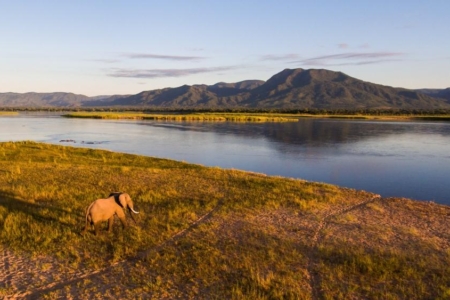
Mana Pools National Park is one of Zimbabwe’s most remarkable safari destinations. Located along the Zambezi River in northern Zimbabwe, the park... Read More
Finding an affordable hotel near Kilimanjaro International Airport can make your Tanzania trip much easier, especially if you arrive late at night,... Read More
To provide the best experiences, we use technologies like cookies to store and/or access device information. Consenting to these technologies will allow us to process data such as browsing behavior or unique IDs on this site. Not consenting or withdrawing consent, may adversely affect certain features and functions.
Functional
Always active
The technical storage or access is strictly necessary for the legitimate purpose of enabling the use of a specific service explicitly requested by the subscriber or user, or for the sole purpose of carrying out the transmission of a communication over an electronic communications network.
Preferences
The technical storage or access is necessary for the legitimate purpose of storing preferences that are not requested by the subscriber or user.
Statistics
The technical storage or access that is used exclusively for statistical purposes.The technical storage or access that is used exclusively for anonymous statistical purposes. Without a subpoena, voluntary compliance on the part of your Internet Service Provider, or additional records from a third party, information stored or retrieved for this purpose alone cannot usually be used to identify you.
Marketing
The technical storage or access is required to create user profiles to send advertising, or to track the user on a website or across several websites for similar marketing purposes.

 by
by 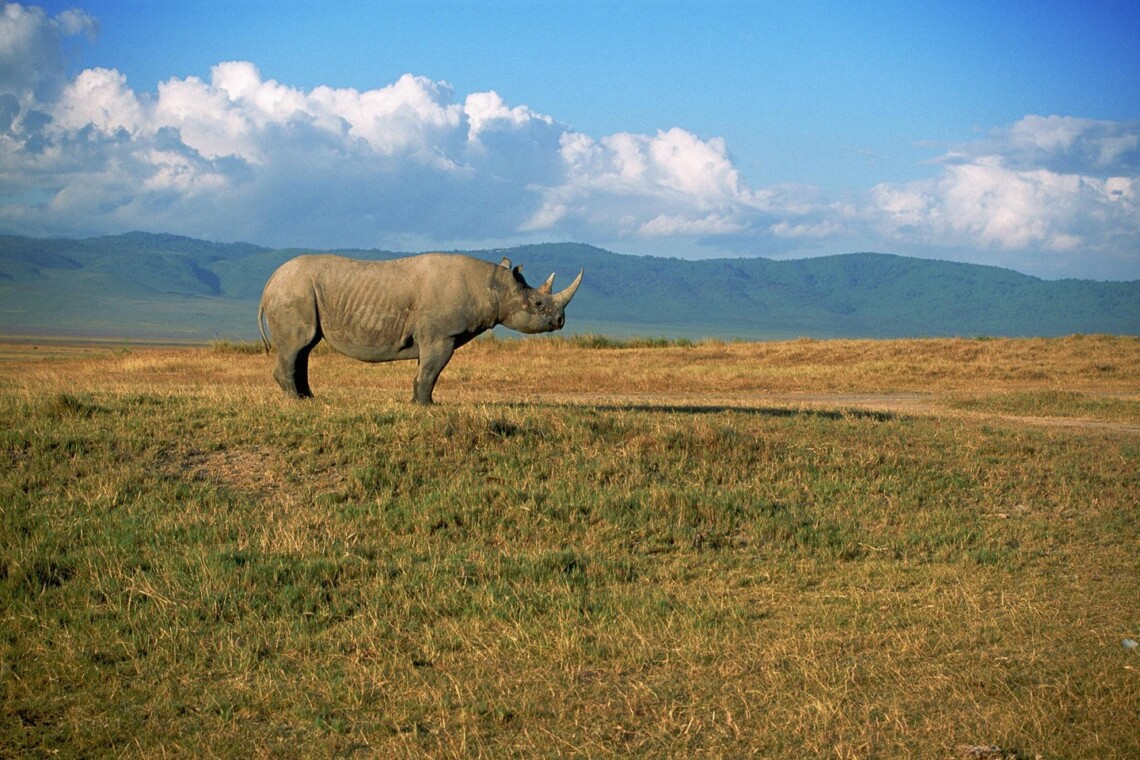




Join The Discussion