
Tanzania Group Joining Safari: Where to Stay Before Your Safari
- September 29, 2026
- For Travelers
A Tanzania group joining safari is a shared safari where you travel with other people in the same safari vehicle instead of... Read More
 by Safari Lala
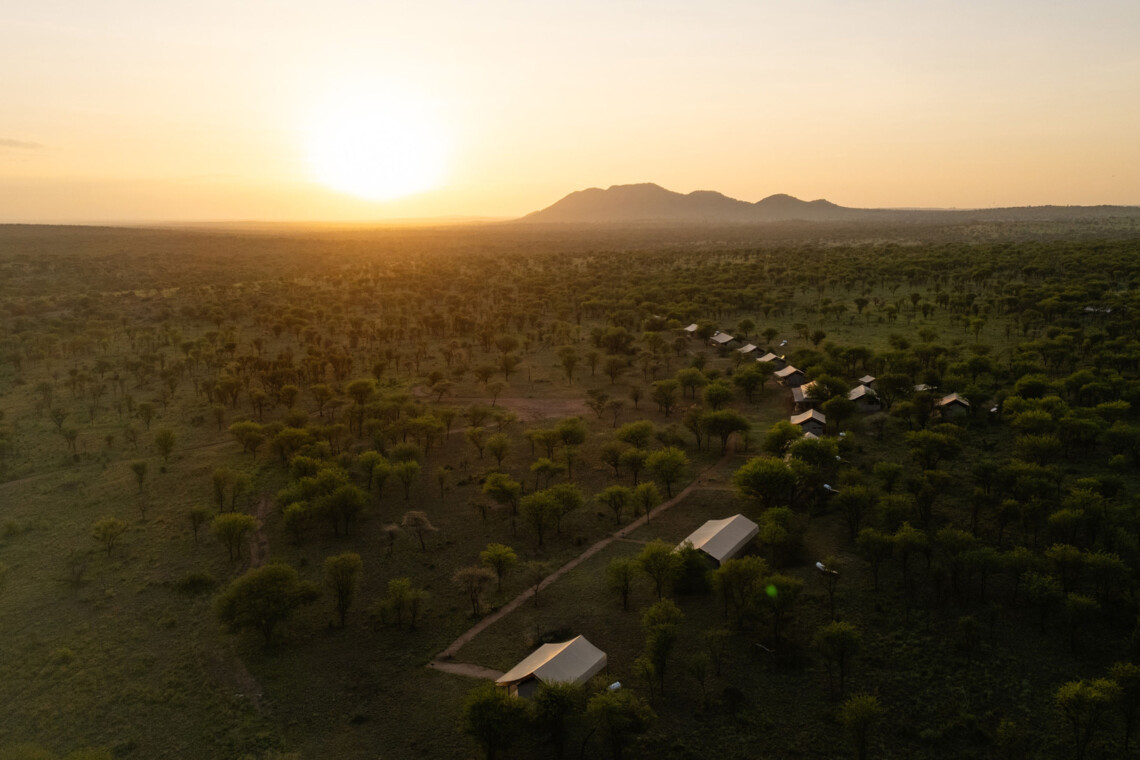
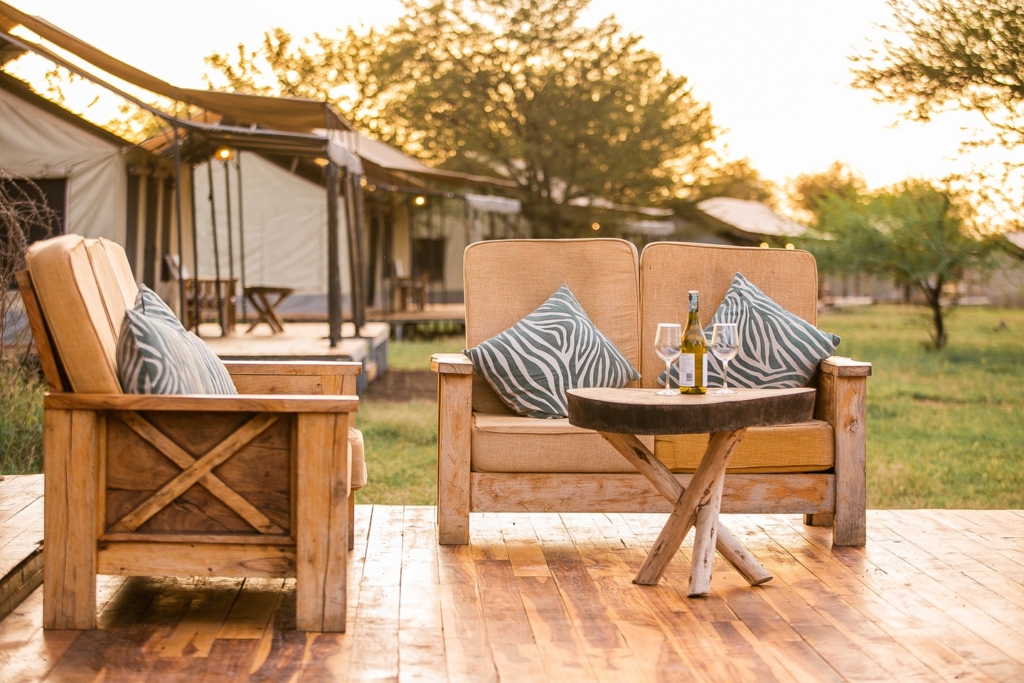
Where to Stay in Serengeti for the Great Migration: The Complete Accommodation Guide helps travelers understand one of the most important aspects of planning an unforgettable wildlife safari. The Serengeti Great Migration is one of the most extraordinary wildlife experiences in Africa attracting travelers from around the world who dream of witnessing vast herds of wildebeest, zebras and gazelles moving across the endless plains. However planning a successful migration safari involves more than simply choosing a travel date. One of the most important decisions is selecting the right place to stay.
Because the Great Migration is constantly moving the best accommodation location changes throughout the year. A camp that offers excellent access to the migration in February may be far from the main herds during August. This makes location one of the most important factors when choosing accommodation in the Serengeti.
For travelers looking to compare lodges, tented camps, resorts and unique safari stays, Safari Lala provides an accommodation-focused platform designed to make finding the right place easier. Rather than searching through multiple individual websites, travelers can explore different accommodation options based on location, travel style, comfort level and budget.
This complete guide explores where to stay in Serengeti for the Great Migration and helps travelers understand the best regions for different seasons. From the wildlife-rich Southern Serengeti and flexible Central Serengeti to the Western Corridor and famous Northern Serengeti river-crossing areas each region offers a different experience.
Whether you are planning a luxury safari, a family adventure, a romantic honeymoon or a budget-friendly wildlife journey choosing accommodation in the right location can make a significant difference. The best strategy is to first understand where the migration is likely to be during your travel dates and then select a property that matches your expectations.
With the right planning, your accommodation becomes more than just a place to sleep. It becomes an essential part of your Great Migration experience.
Choosing the right accommodation can significantly influence your Serengeti Great Migration experience. The Serengeti covers a vast area and wildlife movements can take place hundreds of kilometers apart throughout the year. For this reason travelers should not select accommodation based only on luxury, photographs or price.
The location of your lodge or camp can determine how much time you spend watching wildlife and how much time you spend driving. Staying close to the expected migration route allows travelers to begin game drives earlier and spend more time following animal movements.
For example a traveler staying in Northern Serengeti during the migration season may have easier access to the Mara River region than someone staying several hours away in Central Serengeti. Similarly travelers visiting during the calving period can benefit from accommodation closer to the southern plains.
Choosing the right location is particularly important for travelers with limited safari time. If you only have three or four nights in the Serengeti long daily drives can reduce your wildlife viewing opportunities. A strategically located property can help maximize every safari day.
Accommodation should therefore be selected using several important factors. Travelers should consider their travel month, the expected location of the migration, their budget, preferred accommodation style and the type of wildlife experience they want.
Safari Lala can help travelers simplify this process by providing an accommodation-focused approach to discovering different places to stay. Instead of focusing only on one type of property travelers can compare options ranging from tented camps and safari lodges to luxury stays and more affordable accommodation.
The most effective strategy is simple. First determine where the migration is expected during your travel dates. Second choose the Serengeti region. Finally compare accommodation options within that area.
This approach helps ensure that your place to stay is not only comfortable but also positioned to support the wildlife experience you traveled to Africa to enjoy.
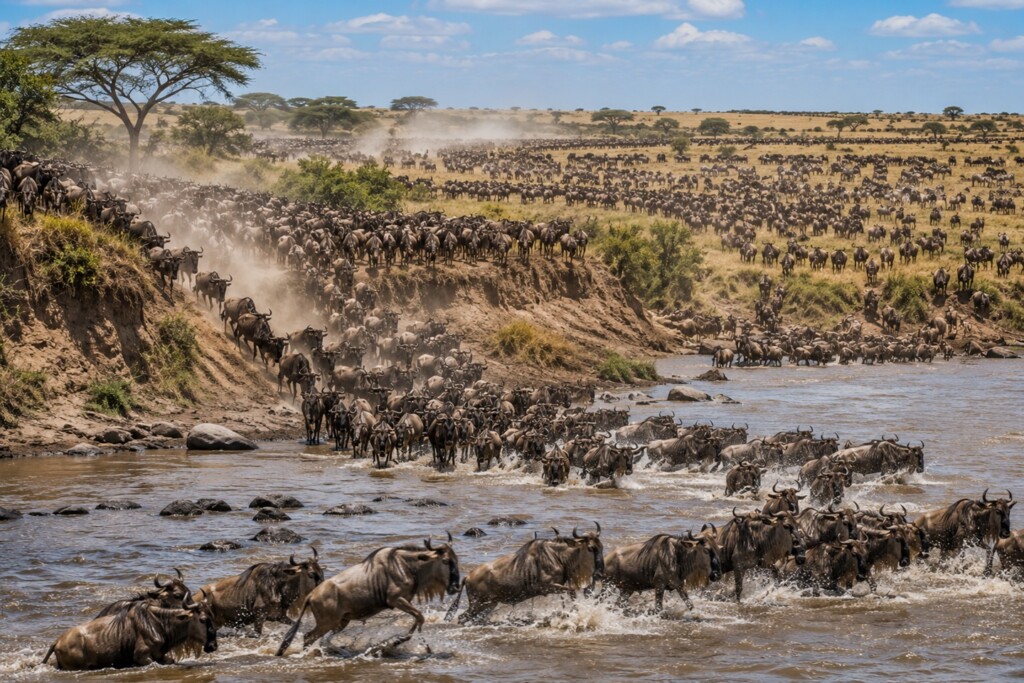
The Great Migration is one of the most remarkable natural wildlife movements in the world. It involves enormous numbers of wildebeest moving alongside zebras and gazelles across the wider Serengeti ecosystem in search of fresh grazing and water.
However travelers should understand that the migration is not a single event that happens in one location. It is a continuous cycle influenced by rainfall, grass availability and natural environmental conditions. The animals move throughout the year which means the best place to stay changes depending on when you travel.
During the early months of the year large herds can be found across the southern plains where the calving season becomes one of the most important wildlife experiences. As conditions change the herds begin moving through different parts of the Serengeti ecosystem.
Later migration activity can move through central and western regions before reaching the northern areas associated with the Mara River. These movements create different experiences throughout the year from large concentrations of animals on open plains to dramatic river-crossing opportunities.
For accommodation planning this movement is extremely important.
Instead of asking “What is the best lodge in Serengeti?” travelers should first ask “Where will the migration likely be during my travel dates?”
Once the likely migration location is understood travelers can search for accommodation in the appropriate region. This helps prevent the common mistake of booking a beautiful property that is located far from the wildlife experience a traveler hopes to see.
The migration remains unpredictable because nature does not follow a fixed calendar. Rainfall patterns can influence the movement of the herds causing animals to arrive earlier or later in certain areas.
For this reason flexibility is important. Travelers should use general seasonal patterns as a guide while considering current wildlife information closer to their departure dates.
Understanding the migration cycle allows travelers to make smarter accommodation decisions and create a safari itinerary that is focused on both comfort and wildlife access.
The Serengeti offers several important regions for accommodation and each area provides a different safari experience. The four main regions travelers should consider when planning a Great Migration safari are Southern Serengeti, Central Serengeti, the Western Corridor and Northern Serengeti.
Southern Serengeti is particularly important during the early part of the year when large herds gather across the open plains. This region is famous for its dramatic calving season and exceptional predator activity.
Central Serengeti provides a more flexible accommodation option. It is known for strong resident wildlife populations and excellent opportunities to see big cats. Travelers visiting outside a specific migration event may find Central Serengeti an excellent base.
The Western Corridor becomes important as the migration moves westward. This region offers a different landscape and provides opportunities to experience the movement of the herds through the Grumeti ecosystem.
Northern Serengeti is internationally famous for the Mara River and its association with dramatic migration river crossings. Travelers hoping to experience this part of the migration often choose accommodation in the northern region.
Each location has advantages but there is no single area that works perfectly throughout the year. The right choice depends on your travel dates and safari priorities.
Travelers should also consider accessibility. Some remote areas provide an exceptional wilderness atmosphere but may require longer drives or flights. Others offer easier access to airstrips and established safari routes.
Accommodation style is another important consideration. Some travelers prefer permanent luxury lodges with extensive facilities while others prefer intimate tented camps located deep in the wilderness.
The best accommodation strategy combines three important elements: the season, the location and the type of experience you want.
By matching your travel dates with the right Serengeti region you increase your chances of enjoying a more rewarding Great Migration safari.
Southern Serengeti is one of the most exciting areas for travelers interested in the Great Migration during the early part of the year. The region is known for its expansive grasslands, dramatic landscapes and large concentrations of grazing animals.
This area is particularly famous for the calving season when thousands of young wildebeest are born across the plains. The arrival of newborn animals creates an extraordinary wildlife experience and also attracts predators such as lions, cheetahs, hyenas and other carnivores.
Travelers staying in Southern Serengeti can benefit from being close to the wildlife action rather than driving long distances from another region. This provides more time for game drives and increases opportunities to observe the migration during different times of the day.
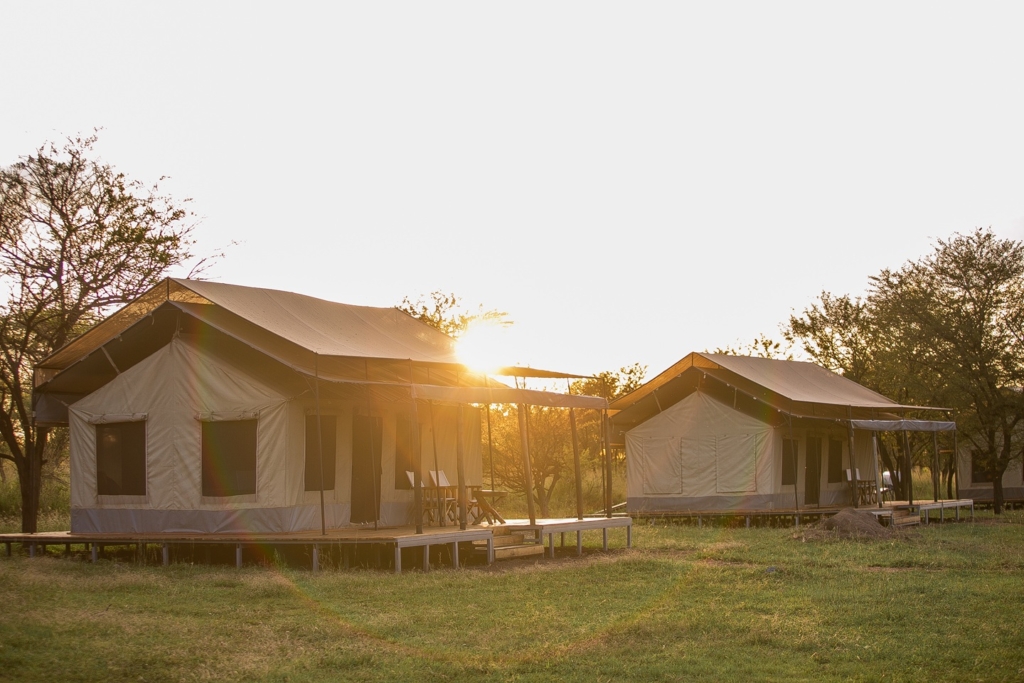
Tented camps are particularly popular in Southern Serengeti because they offer a close connection to nature. Travelers can enjoy comfortable accommodation while remaining surrounded by the wilderness environment.
Luxury travelers may choose exclusive camps with spacious tents, private bathrooms, personalized dining and premium safari services. Mid-range travelers can also find comfortable tented accommodation designed to provide an authentic safari experience without the highest luxury prices.
Southern Serengeti is particularly suitable for travelers interested in the calving season, wildlife photography, predator activity and large concentrations of animals.
When choosing accommodation in this region, travelers should check the property’s exact location. The Serengeti is vast and accommodation described generally as being in the Serengeti may still be located far from the southern plains.
The right location can help travelers maximize their time observing wildlife and reduce unnecessary driving.
For those traveling during the appropriate migration season Southern Serengeti offers one of the most memorable and dramatic wildlife experiences available anywhere in Africa.
Central Serengeti is one of the most popular areas for safari accommodation and provides excellent wildlife experiences throughout much of the year. The wider Seronera region is particularly well known for its resident animal populations and strong opportunities to observe predators.
Unlike some migration-focused regions that are most suitable during specific months Central Serengeti offers greater flexibility. Travelers can enjoy lions, leopards, cheetahs, elephants, giraffes, zebras and many other species depending on the season and location.
One of the major advantages of staying in Central Serengeti is its central position. Travelers can explore surrounding wildlife areas and enjoy a diverse safari experience without depending entirely on one migration event.
Central Serengeti also provides a wide variety of accommodation options. Luxury lodges, premium tented camps, mid-range safari camps and more affordable options can be found across the region.
For travelers who are uncertain about the exact movement of the migration Central Serengeti can provide a reliable wildlife base. Even if the largest migration herds are located elsewhere the area’s resident wildlife ensures that safari experiences remain rewarding.
Big cat enthusiasts are particularly attracted to this region because of its strong predator populations. The landscape also provides excellent opportunities for photography and general wildlife viewing.
However travelers whose primary goal is witnessing a specific event such as a Mara River crossing should consider staying closer to Northern Serengeti during the appropriate season.
Central Serengeti is an excellent choice for first-time safari travelers, visitors seeking a balanced wildlife experience and travelers wanting a central base.
When comparing accommodation, consider the property’s location, wildlife access, distance from airstrips, room comfort and included services.
For many travelers Central Serengeti provides the perfect combination of accessibility, wildlife diversity and accommodation choice.
The Western Serengeti and Western Corridor provide another important region for travelers following the Great Migration. This area offers a different landscape and atmosphere from the southern plains and northern river regions.
As the migration moves through its annual cycle large herds may travel through western areas in search of fresh grazing. The region is associated with the Grumeti ecosystem and offers an opportunity to experience another important stage of the migration journey.
The Western Corridor can be particularly attractive for travelers who want to explore the migration beyond the most famous river-crossing experiences. Here the focus is often on the movement of large herds across diverse landscapes.
Accommodation in the Western Serengeti includes safari lodges, luxury camps and seasonal properties. The right choice depends on the expected location of wildlife during your travel dates.
One advantage of staying in this region is the sense of wilderness. Depending on the season and location travelers may experience quieter safari environments compared with more frequently visited areas.
The Western Corridor is also rich in resident wildlife. Even when migration movements are changing travelers can enjoy encounters with predators and other African animals.
Choosing accommodation here requires careful planning because the migration’s movement can vary according to rainfall. Travelers should research current conditions and work with updated wildlife information before confirming their stay.
The Western Serengeti is ideal for travelers seeking a more diverse understanding of the migration journey. Rather than focusing only on the famous Mara River crossings visitors can experience how the herds move through different landscapes and ecosystems.
A strategically located lodge or tented camp can provide excellent access to wildlife areas while offering a peaceful and authentic Serengeti experience.
Northern Serengeti is one of the most sought-after areas for travelers planning a Great Migration safari. The region is internationally known for its remote wilderness, beautiful landscapes and proximity to the Mara River.
Many travelers visit Northern Serengeti hoping to witness the dramatic movement of wildebeest across rivers. These events are among the most famous wildlife spectacles in Africa.
However it is important to understand that river crossings cannot be guaranteed. Wildebeest may gather near a river for long periods before crossing and their behavior is entirely unpredictable.
For travelers hoping to maximize their opportunities staying in Northern Serengeti can be a major advantage. Accommodation closer to the wildlife areas allows guests to spend more time exploring the region instead of driving long distances from another part of the park.
Northern Serengeti offers several accommodation styles, including luxury tented camps, exclusive wilderness lodges and seasonal mobile camps.
Mobile camps are particularly attractive because some are positioned according to seasonal wildlife movements. This can help travelers remain closer to the migration action.
The region’s remote location also creates a strong sense of wilderness. Visitors can enjoy expansive landscapes and in certain areas fewer safari vehicles.
Northern Serengeti is particularly suitable for wildlife photographers, travelers interested in river crossings, luxury safari guests and repeat visitors seeking a more remote Serengeti experience.
Because accommodation in this region can be highly popular during the migration season travelers should begin planning early.
Flights to nearby airstrips can also be a practical option for travelers who want to reduce long driving distances.
For those whose dream is to experience the northern stage of the Great Migration choosing accommodation in Northern Serengeti can be one of the most important decisions of the entire safari.
Planning your accommodation according to the month of travel is one of the smartest ways to organize a Great Migration safari. Although the migration is influenced by rainfall and cannot follow an exact timetable seasonal patterns provide a useful planning guide.
During January and February Southern Serengeti is often an important region for large concentrations of wildebeest and the famous calving period. Travelers visiting during these months should consider accommodation closer to the southern plains.
March can involve changing migration movements as the animals begin responding to changing grazing conditions. Depending on the year, Southern and Central Serengeti may both become relevant.
During April and May the herds may continue moving through central areas and toward the west. Travelers should consider flexible accommodation choices and monitor migration updates.
June is often associated with movement through western regions and the Grumeti ecosystem. Accommodation in the Western Corridor may provide opportunities to experience this stage of the migration.
During July, August and September Northern Serengeti becomes an important destination for travelers interested in the Mara River region and potential river crossings.
October can involve changing movements and both northern and central regions may provide interesting wildlife experiences depending on conditions.
During November and December migration movements may gradually shift toward central and southern areas as rainfall patterns influence grazing conditions.
Travelers should use this seasonal information as a guide rather than a guarantee. The exact location of wildlife can vary.
The best approach is to select your travel month, research expected migration movements and then compare accommodation within the most suitable region.
Flexibility can also improve the safari experience. Travelers with longer itineraries may choose to stay in more than one Serengeti region allowing them to experience different landscapes and wildlife environments.
Luxury accommodation provides travelers with an opportunity to combine extraordinary wildlife experiences with exceptional comfort and personalized service.
Luxury safari lodges and tented camps often feature spacious rooms, premium furnishings, high-quality dining, private decks and attentive hospitality. Some properties also offer private safari experiences, bush meals, spa facilities and other exclusive services.
One of the most important advantages of premium accommodation can be its location. Some luxury camps are positioned in remote wilderness areas allowing travelers to enjoy privacy while remaining close to important wildlife routes.
Luxury tented camps are particularly popular among Great Migration travelers. These properties combine the romance of sleeping in the African wilderness with comfortable beds, private bathrooms and high-quality facilities.
However travelers should remember that luxury alone does not guarantee the best migration experience.
A beautiful five-star lodge located far from the migration may not provide the same wildlife access as a well-positioned tented camp.
The strongest strategy is to prioritize location first and luxury second.
For example a traveler visiting during the northern migration period should first search for accommodation in Northern Serengeti and then compare luxury options available within that region.
Luxury accommodation can also provide personalized experiences for honeymooners, families, photographers and travelers celebrating special occasions.
When comparing properties, travelers should consider room privacy, location, safari activities, food quality, guiding services and access to wildlife areas.
The ideal luxury stay should provide both comfort and connection with nature.
A Great Migration safari is ultimately about wildlife, landscapes and unforgettable moments. The best luxury accommodation enhances these experiences without separating travelers from the wilderness they came to explore.
Mid-range accommodation is an excellent choice for travelers who want comfort, quality service and an authentic safari experience while maintaining a reasonable budget.
This category includes comfortable safari lodges and tented camps offering private rooms or tents, bathrooms, prepared meals and essential facilities.
One of the greatest advantages of mid-range accommodation is value. Travelers can often enjoy excellent wildlife access and comfortable facilities without paying premium luxury rates.
Location remains extremely important.
A strategically positioned mid-range tented camp can offer a more rewarding migration experience than a luxury property located far from the wildlife action.
When comparing mid-range accommodation travelers should consider room comfort, bathroom facilities, meals, camp location, wildlife access, electricity, family facilities and transportation arrangements.
Tented camps are especially popular because they create a close connection with the natural environment. Guests can enjoy comfortable sleeping arrangements while experiencing the sounds and atmosphere of the Serengeti.
Mid-range accommodation is also suitable for travelers planning multi-destination safaris. Instead of spending the entire budget on one expensive property visitors can choose comfortable stays across different Serengeti regions.
This strategy can be particularly effective for longer migration safaris.
For example a traveler could combine accommodation in Central Serengeti with another stay in Northern Serengeti, depending on the season.
This provides a greater variety of wildlife experiences while maintaining reasonable overall costs.
Families and couples often find mid-range properties attractive because they balance comfort and affordability.
The most important principle remains simple: choose the right Serengeti location first and then compare the best mid-range properties available within your budget.
Budget travelers can still enjoy an unforgettable Serengeti experience. While facilities may be simpler, carefully selected accommodation can provide excellent access to wildlife and a strong connection with nature.
Budget options may include campsites, basic tented camps and more affordable lodges.
The main challenge is balancing affordability with location. A low-cost property located far from wildlife areas may require long daily drives reducing the amount of time available for game viewing.
For this reason travelers should consider the total value rather than focusing only on the accommodation price.
Camping can be one of the most affordable ways to experience the Serengeti. It provides an opportunity to sleep close to nature and enjoy the sounds of the wilderness.
Basic tented camps may offer more comfort than traditional camping while remaining more affordable than luxury properties.
Before booking budget accommodation travelers should understand exactly what is included.
Important details include meals, private or shared bathrooms, transfers, property location and distance from major wildlife areas.
Traveling during periods of lower demand may also provide more affordable accommodation opportunities.
Budget travelers interested in the Great Migration should remain flexible. Instead of focusing on famous luxury camps they can explore different accommodation styles and locations.
A well-positioned budget camp can provide an excellent wildlife experience when combined with good guiding and efficient safari planning.
Safari Lala’s accommodation marketplace concept can be particularly valuable for budget travelers because comparing multiple properties helps identify options based on price, location and facilities.
The goal should not simply be finding the cheapest place. The goal should be finding the best value accommodation in the right location.
One of the most important decisions for Great Migration travelers is choosing between mobile camps and permanent lodges.
Mobile camps are designed around flexibility. Some camps move seasonally to remain close to important wildlife areas and migration routes.
This makes mobile camps particularly attractive for travelers whose main objective is following the Great Migration.
The experience is often intimate and immersive. Guests stay in comfortable tents surrounded by the wilderness while enjoying a close connection to nature.
Permanent lodges remain in one location throughout the year. They may offer larger rooms, restaurants, swimming pools, extensive facilities and more consistent services.
The advantage of a permanent lodge is comfort and predictability. Travelers know what facilities to expect and can enjoy a traditional safari lodge experience.
However the migration may move far from the lodge depending on the season.
Mobile camps can be ideal for travelers focused specifically on wildlife movements and photography.
Permanent lodges can be excellent for families, guests seeking extensive facilities and travelers who value comfort and convenience.
Neither option is automatically better.
The correct choice depends on your priorities.
A traveler who wants extensive facilities and a high level of comfort may prefer a permanent lodge. Someone whose primary dream is waking up close to migration herds may prefer a seasonal mobile camp.
When comparing accommodation, consider location, comfort, facilities, seasonal positioning and wildlife access.
The best choice is the one that matches your travel style while placing you in the right region for your Great Migration experience.
Another important consideration is whether to stay inside or outside the main Serengeti wildlife areas.
Accommodation located close to major game-viewing areas can provide significant advantages. Travelers may begin safari activities earlier, reduce unnecessary driving and spend more time observing wildlife.
This is especially important for Great Migration travelers.
When the migration is active in a particular region, staying nearby can provide greater flexibility. Guests can respond to wildlife movements and spend more time exploring the surrounding landscape.
Accommodation located outside major wildlife areas may sometimes provide different pricing options or larger facilities. However travelers should carefully consider the driving distance required to reach their desired safari areas.
A lower accommodation price may not represent better value if guests spend several hours every day traveling.
For travelers with short safari itineraries strategic location is particularly important.
A three-night safari can feel much more productive when accommodation is located close to wildlife areas.
Longer safari visitors have greater flexibility and may combine accommodation in different locations.
Instead of simply asking whether a property is inside or outside the park, travelers should ask a more practical question:
This helps create a more realistic understanding of the accommodation’s convenience.
The best property is not always defined by park boundaries. It is defined by how effectively its location supports your safari goals.
Every traveler has different expectations and the ideal Serengeti accommodation depends heavily on travel style.
Couples and honeymooners may prioritize privacy, beautiful scenery, intimate dining and exclusive accommodation. Smaller luxury camps and romantic tented properties can provide an ideal atmosphere.
Families may require larger rooms, family tents, flexible meal arrangements and accommodation policies suitable for children. Choosing a convenient location can also help reduce long and tiring drives.
Solo travelers may prefer camps with welcoming communal areas where they can meet other guests while enjoying a safe and comfortable environment.
Wildlife photographers should prioritize location above luxury. Staying close to active wildlife areas allows earlier departures and greater flexibility when animals are active.
Luxury travelers may seek exclusive camps, private guides, premium rooms, personalized dining and unique wilderness experiences.
Budget travelers should focus on value, essential comfort and access to wildlife. A simple camp in the right location may provide a better experience than expensive accommodation far from the migration.
This is where an accommodation marketplace such as Safari Lala can become valuable. Travelers can search according to their personal needs instead of using a single accommodation standard.
The best property for one traveler may not be the best property for another.
By comparing accommodation according to traveler type, comfort expectations and location visitors can make more informed decisions and select a stay that truly matches their safari goals.
Serengeti accommodation costs vary depending on the location, season, accommodation category and services provided.
Budget properties generally focus on essential comfort and may include campsites, basic tented camps or simple lodges.
Mid-range accommodation usually provides improved comfort, private facilities, prepared meals and professional service.
Luxury and ultra-luxury properties may include exceptional rooms, premium dining, personalized guiding, private experiences and exclusive wilderness locations.
Season also plays a major role in pricing.
During popular migration periods demand for accommodation can increase significantly. Small camps and premium properties may have limited availability, which makes early planning important.
Travelers should avoid judging accommodation based only on the nightly price.
The total safari experience should also be considered.
This includes accommodation location, transportation requirements, meals, included services and access to wildlife.
A cheaper lodge requiring several hours of driving may not provide better overall value than a slightly more expensive camp located near the migration.
When comparing prices, travelers should also check whether rates are quoted per person, per room or per night.
It is also important to understand which services are included.
An accommodation marketplace can simplify this process by helping travelers compare different properties and identify options that match their budgets.
The best approach is to establish a realistic budget select the appropriate Serengeti region and then compare properties within that area.
This ensures that price decisions are made without sacrificing the wildlife experience.
Early planning is highly recommended for travelers hoping to experience the Great Migration.
Popular camps and lodges can have limited rooms, particularly smaller tented camps and exclusive wilderness properties.
Travelers targeting specific migration experiences should begin researching accommodation well in advance.
Early booking provides more choice.
Instead of selecting from whatever remains available, travelers can compare different regions, room categories and accommodation styles.
Early planning also makes it easier to organize flights, transfers, safari vehicles and other travel arrangements.
However Great Migration planning requires flexibility.
Wildlife movements depend on natural conditions and animals do not follow a guaranteed calendar.
A good strategy is to choose accommodation in regions where migration activity is historically expected while remaining open to changes.
Travelers with longer itineraries can also consider staying in more than one Serengeti location.
Instead of spending an entire week in one area they may divide their journey between two regions.
This creates a broader safari experience and reduces dependence on one wildlife prediction.
Early booking is especially useful for travelers seeking family accommodation, honeymoon suites, luxury camps or properties during popular migration periods.
The earlier you begin researching the greater your opportunity to select accommodation based on your preferences rather than limited availability.
Choosing the right place to stay involves more than selecting a beautiful room.
Location should always be the first consideration. Travelers should ask whether the property is close to the expected migration area during their travel dates.
The accommodation type is also important. Some travelers prefer permanent lodges while others want the immersive experience of a tented camp or seasonal mobile camp.
Budget should be considered carefully but travelers should focus on value rather than simply selecting the cheapest option.
Wildlife access is another major factor. Find out how easily the property connects to important game-viewing areas.
Room comfort, private bathrooms, electricity, bedding, meals and transfers should also be considered.
Families should confirm room configurations and child-friendly facilities before booking.
Travelers focused on the migration should pay particular attention to seasonal positioning.
The biggest mistake is choosing accommodation based only on photographs.
A beautiful lodge can still be unsuitable if it is located far from the wildlife experience you want.
The best decision combines location, season, comfort, budget and wildlife access.
Safari Lala can support this decision-making process by providing travelers with an accommodation-focused way to discover and compare different stays.
By carefully researching before booking travelers can find a property that is not only comfortable but strategically positioned for an unforgettable Serengeti adventure.
The best place to stay depends on when you visit. Southern Serengeti is generally ideal during the calving season while Central Serengeti offers excellent year-round wildlife viewing. The Western Corridor becomes important as the herds move west while Northern Serengeti is popular for travelers hoping to witness Mara River crossings.
Southern Serengeti is particularly popular from around January to March, when large herds gather on the southern plains and the wildebeest calving season takes place. This period also offers exceptional predator activity.
Yes. Central Serengeti is one of the most flexible safari destinations because of its strong resident wildlife populations. It is especially popular for seeing lions, leopards, cheetahs and other animals throughout much of the year.
Travelers hoping to witness Mara River crossings should consider accommodation in Northern Serengeti. Staying close to the river areas can reduce driving time and provide greater flexibility for following wildlife movements.
No. River crossings are natural wildlife events and cannot be guaranteed. Wildebeest behavior is unpredictable and herds may wait near the river before deciding to cross.
It depends on your priorities. Mobile camps can move seasonally and may provide closer access to migration routes. Permanent lodges often offer more facilities and consistent comfort. Both can provide excellent safari experiences when located in the right area.
Staying close to major wildlife areas can reduce travel time and maximize game-viewing opportunities. However the most important factor is not simply whether accommodation is inside or outside the park but how close it is to the wildlife areas you want to explore.
Early booking is recommended, especially during popular Great Migration periods. Small camps, luxury properties and accommodation in Northern Serengeti can become fully booked well in advance.
Yes. Budget travelers can find campsites, basic tented camps and more affordable lodges. The key is to balance price with location, wildlife access and included services.
Prices vary depending on the season, location, accommodation category and included services. Budget options are generally more affordable, while luxury camps and exclusive lodges can be significantly more expensive.
Not necessarily. Location is often more important than luxury. A comfortable tented camp positioned close to the migration can provide a better wildlife experience than a luxurious lodge located far from the herds.
Central Serengeti is often an excellent choice for first-time visitors because it offers diverse wildlife, strong predator populations and a wide range of accommodation options.
Families should consider room configurations, family tents, child-friendly policies, meal arrangements, safety, comfort and the distance to wildlife areas. A convenient location can also help reduce long daily drives.
Wildlife photographers should prioritize location and flexibility. Camps positioned near active wildlife areas allow earlier game drives and more opportunities to follow animal movements.
Yes. Staying in multiple regions can be an excellent strategy, particularly for longer safaris. It allows travelers to experience different landscapes and increases flexibility when following seasonal wildlife movements.
The Great Migration is constantly moving in response to rainfall, fresh grazing and environmental conditions. As the herds move between southern, central, western and northern Serengeti the most strategically located accommodation also changes.
Location should be the first priority. Travelers should identify where the migration is likely to be during their travel dates and then compare accommodation options within that region.
No. Northern Serengeti offers beautiful landscapes, resident wildlife and a remote wilderness atmosphere beyond the famous river crossings. However travelers specifically focused on migration events should match their visit with expected seasonal movements.
Safari Lala helps travelers explore and compare accommodation based on location, comfort level, travel style and budget. This makes it easier to identify properties that match both your safari expectations and the expected location of the Great Migration.
The best strategy is to first choose your travel dates understand where the migration is likely to be, select the appropriate Serengeti region and then compare accommodation options based on location, comfort, budget and wildlife access. Planning early while remaining flexible gives you the best chance of creating an unforgettable Great Migration safari.
Choosing where to stay in Serengeti for the Great Migration is one of the most important decisions when planning an unforgettable Tanzania safari. The Serengeti is vast and because the migration moves continuously in response to rainfall, grazing conditions and natural seasonal patterns the ideal accommodation location can change throughout the year. Travelers should therefore consider their travel dates before selecting a lodge, tented camp or mobile safari camp.
Southern Serengeti can provide exceptional opportunities during the calving season, while Central Serengeti offers flexibility and excellent resident wildlife throughout much of the year. The Western Corridor becomes important during the westward movement of the herds while Northern Serengeti is a popular choice for travelers hoping to experience the dramatic Mara River crossings. Understanding these regional differences helps travelers choose accommodation that reduces unnecessary driving and maximizes valuable wildlife viewing time.
Comfort, budget and accommodation style are also important but location should always remain a priority. A simple, well-positioned camp can sometimes provide a more rewarding migration experience than a luxurious lodge located far from the wildlife action. Whether traveling as a couple, family, photographer, honeymooner or budget-conscious explorer matching accommodation with personal travel needs is essential.
Safari Lala makes the accommodation search easier by providing travelers with an accommodation-focused platform where different places to stay can be explored and compared based on location, comfort, travel style and budget. By planning early, remaining flexible and selecting accommodation strategically, travelers can transform their stay into an essential part of their safari adventure. Ultimately, the right place to stay does more than provide comfort it brings you closer to the extraordinary wildlife moments that make the Serengeti Great Migration truly unforgettable.

A Tanzania group joining safari is a shared safari where you travel with other people in the same safari vehicle instead of... Read More
Zanzibar is more than a beach destination. The island is famous for its white-sand beaches and turquoise Indian Ocean, but there is... Read More
Paje is one of the most popular places to stay on Zanzibar’s southeast coast. The village is known for its wide white-sand... Read More
A Tanzania group joining safari is... Read More

Zanzibar is more than a beach... Read More

Paje is one of the most... Read More
Join The Discussion