
3-Day Tanzania Safari Itinerary: Best Routes, Costs & Where to Stay
- November 2, 2026
- For Travelers, Travel Guide
3-Day Tanzania Safari Itinerary: Best Routes, Costs & Where to Stay A 3-day Tanzania safari is a great choice if you have... Read More
 by Safari Lala
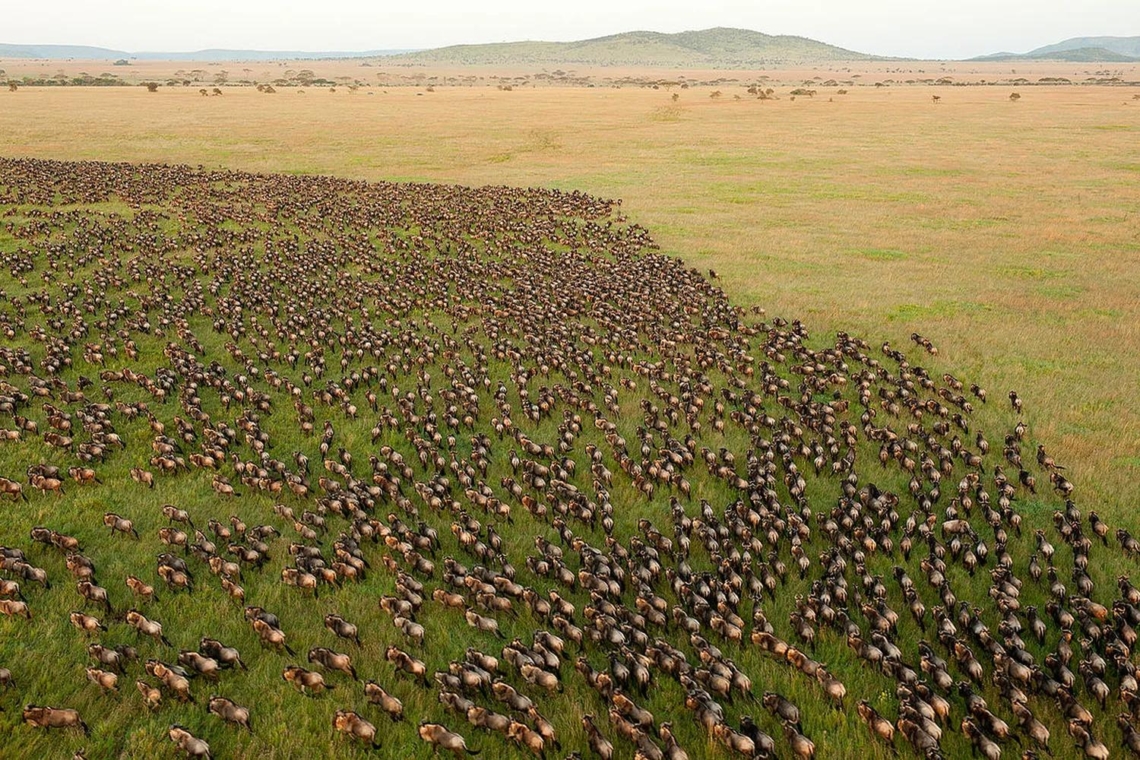
Tipping is a common part of a Tanzania safari, but knowing how much to give can be confusing, especially for first-time visitors. Should you tip your safari guide every day? How much should you leave for camp staff? Is tipping compulsory, and should you use US dollars or Tanzanian shillings?
The good news is that tipping does not need to be complicated. It is a voluntary way to recognize good service, and there is no single amount that every traveler must pay.
As a general guideline, travelers can budget around US$15–25 per guest per day for a private safari guide and US$5–15 per guest per night for lodge or camp staff. These are planning estimates rather than official rates, and recommendations vary between safari operators and accommodation providers.
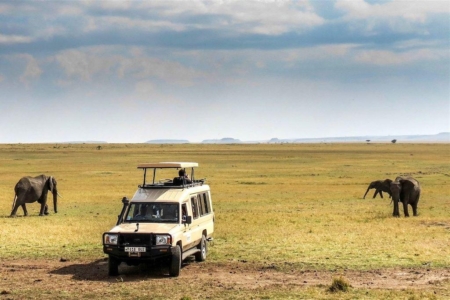
Your safari guide often spends more time with you than any other member of the safari team. They drive through national parks, look for wildlife, explain animal behavior, answer questions and coordinate daily activities.
A knowledgeable guide can make the difference between simply seeing animals and understanding the wildlife and landscapes around you.
For this reason, many travelers choose to give their guide a separate tip at the end of the safari.
| Safari arrangement | Suggested tip |
|---|---|
| Private safari guide | US$15–25 per guest per day |
| Private guide, using a vehicle-based arrangement | Approximately US$25–50 per vehicle per day |
| Group joining safari | Around US$10–20 per guest per day |
| Specialist guide or tracker | Ask your safari operator for guidance |
These amounts are general recommendations, not fixed rules. The appropriate tip depends on the length of the safari, group size, quality of service and your budget.
Always check whether the recommended amount is calculated per guest or per vehicle. The difference can be substantial, particularly for families and larger groups.
For example, two guests on a five-day private safari who choose to tip US$20 per person per day would give their guide US$200 in total.
If the agreed recommendation is US$40 per vehicle per day, the total would also be US$200 for five days. However, the totals change when more travelers share the vehicle.
Your safari operator can clarify which approach is customary for your particular arrangement.
Safari lodges and tented camps depend on many people working behind the scenes. These may include cooks, waiters, housekeepers, laundry staff and other hospitality workers.
You might not meet every employee who contributes to your stay, but their work helps make the experience comfortable.
Many safari camps use a communal tipping system. Guests place their gratuity in a designated tip box, and the property distributes the money among eligible staff.
A practical planning range is US$5–15 per guest per night, depending on the property, service and your budget.
For example, two guests staying at a camp for three nights could budget US$30–90 for the general camp staff.
This is a suggested budget rather than a compulsory charge.
If a camp operates a communal tipping system, using its designated tip box is often the simplest approach. It allows the gratuity to reach staff members who work in different departments, including those guests may never meet.
However, arrangements differ between properties. Ask reception whether the communal fund covers all staff or whether certain services, such as luggage assistance, are handled separately.
You can also recognize an individual employee who has provided particularly helpful service, provided this is consistent with the property’s policy.
In most cases, yes.
Your safari guide and camp staff perform different roles, and their gratuities are usually handled separately.
The guide’s tip is commonly given directly to the guide at the end of your time together. The camp staff gratuity generally goes into the designated communal tip box.
Do not assume that a camp’s general staff fund includes your safari guide. Some properties exclude guides from their staff pool, while others have different arrangements.
If your itinerary includes several camps and multiple guides, ask your safari operator how tips should be distributed. You may wish to tip each guide when their part of the safari ends and leave a separate gratuity at each camp.
For a multi-day safari, the end of the service is usually the most straightforward time to tip.
You can give your guide a gratuity on the final day you travel together. If you stay at several camps, you can leave the staff gratuity when departing each property.
You do not need to tip after every game drive or meal. A single gratuity at the end of the relevant service allows you to consider the overall experience.
Some travelers place the money in an envelope with a short thank-you message. This is optional, but it can be a thoughtful way to express appreciation.
If you are unsure about the correct procedure, ask your guide, camp reception or safari operator before departure.
No. Tipping is voluntary, although it is customary in Tanzania’s safari and hospitality industries.
Many safari operators provide tipping recommendations before departure because travelers often want to include gratuities in their holiday budget.
You should not feel obligated to give an amount you cannot comfortably afford. If the service was good, a tip is one way to show appreciation. You can adjust the amount according to your experience and financial circumstances.
Also check whether your safari quotation includes a service charge or another gratuity. A service charge is not necessarily the same as a direct tip for your guide, so ask your operator what it covers.
Both US dollars and Tanzanian shillings are practical options for tipping in Tanzania.
US dollars are widely used in the safari tourism industry, particularly for gratuities at lodges and camps. Tanzanian shillings are useful for smaller tips and everyday services.
If you plan to tip in US dollars, carry clean, undamaged notes and check your operator’s guidance on acceptable issue dates. Some businesses may refuse older or damaged bills.
It is sensible to prepare cash before entering remote national parks, where ATMs and other banking services may be unavailable.
Carry smaller denominations for porters and transfer drivers, and keep larger gratuities separate so you can distribute them appropriately.
Your safari guide and camp staff are not the only people who may assist you during a Tanzania holiday.
For a short transfer, around US$3–10 per vehicle is a reasonable starting point when you are satisfied with the service. Consider the length of the journey and any additional assistance with luggage.
A small tip for carrying bags is appropriate when you receive the service. The amount can depend on the number of bags and the assistance provided. Ask your hotel if it has a recommended practice.
On a camping safari, your cook may prepare meals and help with camp arrangements throughout the trip. Ask your operator whether the cook’s gratuity is included in a shared tip or should be given separately.
Restaurant tipping practices vary by establishment. Check whether a service charge has already been added to your bill before deciding whether to leave anything extra.
The easiest way to plan is to calculate gratuities separately for each service rather than choosing one amount for the entire trip.
Consider two adults taking a five-day private safari with one guide and staying at camps for four nights.
| Service | Calculation | Estimated tip |
|---|---|---|
| Safari guide | US$15–25 × 2 guests × 5 days | US$150–250 |
| Camp staff | US$5–15 × 2 guests × 4 nights | US$40–120 |
| Estimated total | Excluding other service tips | US$190–370 |
This is an illustrative budget, not a required payment. If your operator recommends a per-vehicle guide tip, calculate the guide’s gratuity using that basis instead.
The final amount depends on the itinerary, accommodation, service received and your budget. Ask your safari operator for its current recommendations before departure.
A little preparation can make tipping easier and more comfortable.
Assuming tips are compulsory. Tipping is customary but voluntary. Treat recommendations as guidance rather than mandatory fees.
Confusing per-person and per-vehicle amounts. Always establish whether the suggested figure applies to each traveler or the whole group.
Putting every tip into one box. Your guide may not receive money from a camp’s communal staff fund. Check how the system works.
Waiting until you have no cash left. Prepare a reasonable gratuity budget before entering remote areas.
Feeling pressured to give more than you can afford. Choose an amount that reflects your experience and financial circumstances.
Assuming every property follows the same system. Camps and safari operators can have different procedures for distributing gratuities.
Using a guideline of US$15–25 per guest per day, one guest would budget US$105–175 for seven days. Two guests would budget US$210–350 if the tip is calculated per person. If your operator recommends a per-vehicle amount, use that instead.
You generally do not need to. Many travelers give one tip at the end of the safari or when their time with a particular guide ends.
Usually not. If the camp has a communal tip box, you can leave one gratuity when checking out, based on the number of nights you stayed.
It depends on whether the amount is intended for one person, one day or the entire safari. US$5 is below many suggested amounts for a full day of private safari guiding, but tipping remains voluntary and personal circumstances differ.
A higher safari price does not automatically mean gratuities are included. Check your quotation and ask your operator what is covered. You can decide on a separate tip based on the service and your budget.
Yes. Tanzanian shillings are a practical option, while US dollars are also widely used in safari tourism. Carry acceptable notes in good condition.
Tipping on a Tanzania safari is easiest when you prepare in advance, understand how your operator calculates gratuities and separate your guide’s tip from the camp staff contribution.
For planning purposes, consider around US$15–25 per guest per day for a private safari guide and US$5–15 per guest per night for camp staff. Confirm the recommendations for your particular trip before departure.
Above all, remember that tipping is a voluntary expression of appreciation. A sincere thank-you, a respectful attitude and a gratuity within your means are a sensible way to recognize the people who help make your safari memorable.
Planning a Tanzania safari? Before departure, ask your safari provider for its tipping recommendations and whether any service charges or gratuities are already included in your quotation.

3-Day Tanzania Safari Itinerary: Best Routes, Costs & Where to Stay A 3-day Tanzania safari is a great choice if you have... Read More
Moshi is one of the best places to stay before climbing Mount Kilimanjaro. Located in northern Tanzania, near the mountain’s southern slopes,... Read More
Planning a safari in Tanzania involves more than choosing national parks and wildlife experiences. You also need to decide where to spend... Read More

Join The Discussion