Tanzania’s tourism industry is entering a new digital era. From Serengeti safari lodges and Ngorongoro camps to Zanzibar resorts, Arusha boutique hotels, and growing city accommodations, the way travelers discover and book places to stay is rapidly changing.
What used to depend on travel agents, walk-in bookings, or word-of-mouth recommendations is now shifting toward online discovery, mobile-first browsing, and digital decision-making. This transformation is reshaping the entire hospitality ecosystem in Tanzania.
For accommodation providers, understanding this future is not just helpful—it is essential for staying competitive.
The Rise of Domestic Tourism Is Reshaping Demand
One of the strongest forces shaping the future of accommodation booking in Tanzania is the growth of domestic tourism. More Tanzanians are now exploring their own country, traveling for holidays, business, events, and leisure experiences.
Destinations like:
Zanzibar beaches
Arusha safari gateways
Kilimanjaro region
Lake Victoria cities
National parks and cultural sites
are no longer visited only by international travelers.
This shift means accommodation demand is becoming more diverse and consistent throughout the year. Hotels are no longer relying only on foreign tourists but also on local travelers who actively search online for places to stay.
As domestic tourism grows, so does the need for accessible and transparent online accommodation information.
Digital Booking Trends Are Becoming the Standard
The hospitality industry is moving toward fully digital booking behavior. Travelers now expect to:
search online
compare options instantly
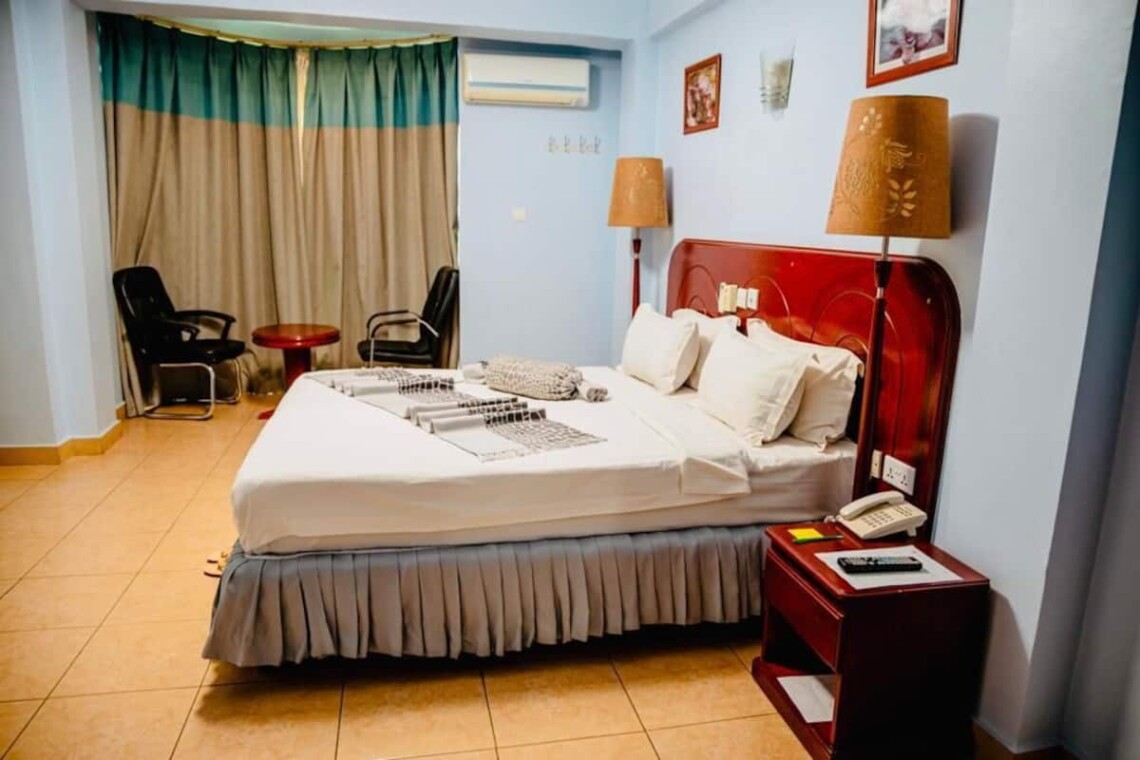
view photos and amenities
check availability
make decisions quickly
This trend is no longer limited to international travelers. Even local tourists increasingly rely on online platforms before making booking decisions.
Hotels that are not visible online risk missing a large portion of this growing market. Digital booking behavior is becoming the default expectation rather than an alternative option.
In this environment, online presence is no longer a marketing advantage—it is a basic requirement for competitiveness.
Mobile-First Travelers Are Driving New Behavior
One of the most important changes in Tanzania’s tourism landscape is the dominance of mobile devices in travel planning.
Most travelers today:
search for hotels on smartphones
browse images on mobile screens
compare prices while on the move
make inquiries through mobile messaging apps
This mobile-first behavior means accommodation information must be fast, clear, and easy to access.
If a hotel listing is not optimized for mobile users, travelers are likely to move on quickly to another option. Convenience and speed now play a major role in booking decisions.
Mobile accessibility is shaping how hotels must present themselves online.
Local Tourism Technology Is Growing Rapidly
Tanzania is experiencing steady growth in digital tourism infrastructure. More platforms, booking systems, and travel technology solutions are emerging to support both travelers and accommodation providers.
This includes:
online accommodation marketplaces
digital booking platforms
travel discovery websites
mobile travel applications
These tools are making it easier for travelers to explore accommodation options without relying on traditional intermediaries.
For hotels, this shift creates new opportunities to reach guests directly and present their properties in structured, searchable formats.
Local tourism technology is also helping small and mid-sized accommodations compete more effectively in a digital marketplace.
The Future Will Be Driven by Discovery, Not Just Booking
The future of accommodation booking in Tanzania will not only be about transactions—it will be about discovery.
Travelers will increasingly:
explore destinations digitally before traveling
compare experiences visually
rely on curated platforms for inspiration
make decisions based on online presence
This means visibility will become even more important than pricing or location alone. If a hotel is not discoverable online, it will not be part of the traveler’s consideration set.
The ability to be discovered early in the travel planning process will define success in the next phase of tourism growth.
Why Platforms Like SafariLala Matter for the Future
In this evolving landscape, platforms that focus on structured accommodation discovery will play a central role in Tanzania’s tourism ecosystem.
SafariLala is positioned within this shift as a Tanzania-focused accommodation marketplace designed to support both travelers and hospitality providers.
It helps:
centralize accommodation discovery in one place
improve visibility for hotels across Tanzania
support both domestic and international travelers
bridge the gap between hotels and digital booking behavior
strengthen Tanzania’s online tourism ecosystem
Rather than competing with hotels, such platforms act as discovery layers that make accommodation easier to find and understand.
Final Thought
The future of accommodation booking in Tanzania is clearly digital, mobile-first, and discovery-driven. Domestic tourism growth, changing traveler behavior, and rising technology adoption are all accelerating this transformation.
Hotels that adapt early will benefit from increased visibility and stronger demand. Those that delay risk becoming less visible in a rapidly evolving market.
In this new era, success in hospitality will depend not only on the quality of the property—but on how easily it can be discovered online when travelers begin their journey.
Introduction to Family-Friendly Travel In recent years, family travel has seen a significant increase, reflecting a shift in the priorities of modern... Read More
The Best Safari Lodges in Tanzania for Family Adventures
Introduction to Tanzania Safari Lodges for Families Tanzania presents a unique opportunity for families seeking adventure amidst breathtaking landscapes and diverse wildlife.... Read More

 by







Join The Discussion