


3-Day Tanzania Safari Itinerary: Best Routes, Costs & Where to Stay
- November 2, 2026
- For Travelers, Travel Guide
3-Day Tanzania Safari Itinerary: Best Routes, Costs & Where to Stay A 3-day Tanzania safari is a great choice if you have... Read More
 by Safari Lala
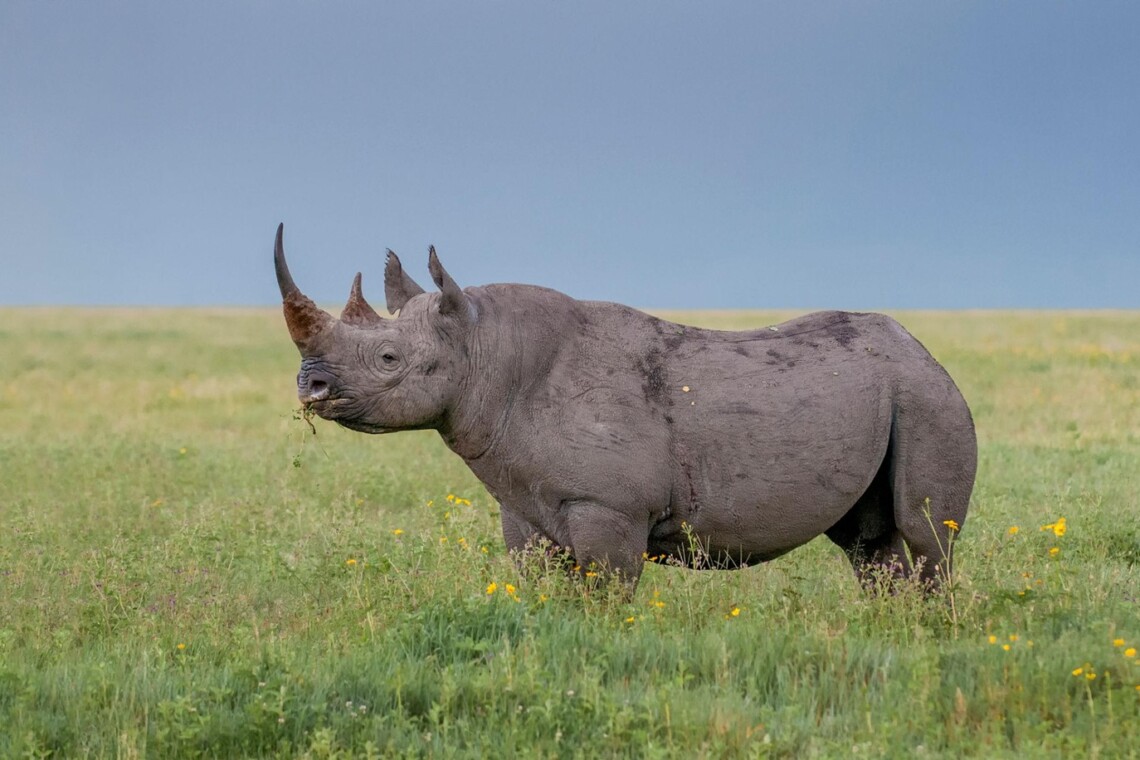
An African safari is one of the most unforgettable travel experiences in the world, but it also comes with a responsibility to protect the landscapes, wildlife, and communities that make it possible. As travelers become more environmentally conscious, eco-friendly safaris have grown from a niche travel option into an important part of sustainable tourism in Tanzania.
Home to world-famous destinations such as the Serengeti, Ngorongoro Crater, Tarangire National Park, Ruaha National Park, and the pristine beaches of Zanzibar, Tanzania attracts hundreds of thousands of visitors every year. Tourism contributes significantly to wildlife conservation and local livelihoods, but only when it is managed responsibly. Poor tourism practices can place pressure on fragile ecosystems, while sustainable travel helps preserve them for future generations.
Planning an eco-friendly safari does not mean sacrificing comfort or adventure. In fact, many of Tanzania’s most memorable safari experiences come from operators and accommodations that actively protect wildlife, reduce environmental impact, and invest in surrounding communities. Whether you are visiting for the Great Migration, hoping to spot the Big Five, or combining a safari with a Zanzibar beach holiday, making sustainable choices can enhance both your experience and your positive impact.
This guide explains what makes a safari eco-friendly, how to choose responsible safari providers, ways to support conservation and local communities, and the best destinations in Tanzania for environmentally conscious travelers.
An eco-friendly safari is a wildlife adventure designed to minimize environmental impact while maximizing benefits for conservation and local communities. Unlike traditional tourism that may focus solely on visitor experiences, sustainable safaris balance tourism with environmental protection, wildlife welfare, and community development.
An eco-friendly safari considers every aspect of the journey, including transportation, accommodation, waste management, energy use, food sourcing, wildlife viewing practices, and support for local economies.
The goal is simple: ensure that tourism contributes more to Tanzania’s natural heritage than it takes away.
Rather than simply observing wildlife, travelers become active participants in preserving the ecosystems they visit.
Sustainable travel rests on three interconnected principles: environmental responsibility, social responsibility, and economic sustainability.
Environmental responsibility means minimizing pollution, conserving water, reducing carbon emissions, protecting habitats, and avoiding activities that disturb wildlife.
Social responsibility focuses on respecting local cultures, supporting fair employment, purchasing locally made products, and ensuring tourism benefits nearby communities.
Economic sustainability ensures tourism revenue reaches conservation authorities, local businesses, guides, artisans, farmers, and community projects instead of benefiting only international companies.
When these three principles work together, tourism becomes a powerful tool for conservation rather than a threat to biodiversity.
Tanzania protects nearly 40 percent of its land through national parks, game reserves, conservation areas, and wildlife management areas. These protected landscapes shelter some of Africa’s largest remaining wildlife populations, including elephants, lions, giraffes, cheetahs, rhinos, chimpanzees, and millions of migratory wildebeest.
These ecosystems are increasingly threatened by climate change, habitat fragmentation, human population growth, and illegal wildlife activities.
Responsible tourism generates funding through park entrance fees, concession fees, conservation levies, and employment opportunities that directly support wildlife protection.
Without sustainable tourism, many protected areas would struggle to maintain anti-poaching operations, habitat restoration projects, scientific research, and community outreach programs.
An eco-friendly safari therefore becomes much more than a holiday, it becomes part of the conservation solution.
The safari company you choose has the greatest influence on your environmental footprint.
Responsible operators invest in conservation, employ local staff, maintain ethical wildlife viewing standards, and work closely with nearby communities. They avoid overcrowding wildlife, follow park regulations, and educate guests about conservation throughout the journey.
Look for companies that clearly explain their sustainability practices instead of making vague environmental claims. Transparent operators often support conservation organizations, community education, tree planting, wildlife monitoring, or habitat restoration projects.
A responsible safari operator should also prioritize small group sizes whenever possible, reducing vehicle congestion and improving wildlife viewing experiences.
Choosing an operator committed to sustainable tourism ensures your safari spending contributes positively to Tanzania’s conservation efforts.
Accommodation plays a major role in sustainable travel.
Many lodges and tented camps across Tanzania have adopted environmentally friendly practices that significantly reduce their ecological footprint.
Eco-conscious accommodations often use solar energy instead of diesel generators, harvest rainwater, recycle wastewater, eliminate single-use plastics, and source food from nearby farms.
Some camps are carefully designed with minimal permanent structures, allowing wildlife to move naturally through surrounding landscapes while reducing habitat disturbance.
Others actively participate in conservation by funding ranger patrols, protecting nearby forests, or supporting wildlife research.
Luxury and sustainability are no longer opposites. Many of Tanzania’s finest safari lodges combine exceptional comfort with world-class environmental standards.
Plastic waste is one of the easiest environmental impacts travelers can reduce.
Bring a reusable water bottle instead of purchasing disposable bottles throughout your trip. Many safari vehicles and lodges provide safe drinking water refill stations.
Reusable shopping bags, coffee cups, food containers, and metal straws also help reduce unnecessary waste.
Although Tanzania has taken significant steps to reduce plastic bag usage nationwide, travelers should continue minimizing disposable products whenever possible.
Every small decision helps protect rivers, forests, and wildlife habitats.
Ethical wildlife viewing lies at the heart of every eco-friendly safari.
Animals should always be observed naturally without interference.
This means maintaining safe viewing distances, keeping noise levels low, avoiding sudden movements, and never attempting to feed wildlife.
Responsible guides position vehicles carefully without blocking animal movement or chasing wildlife for photographs.
Patience often produces the most rewarding sightings while minimizing stress for animals.
Respecting wildlife also means accepting that nature cannot be controlled. Sometimes animals remain hidden, and that unpredictability is part of the authentic safari experience.
The Leave No Trace philosophy encourages travelers to leave natural areas exactly as they found them.
While on safari, dispose of waste properly, avoid collecting natural souvenirs, remain on designated roads and walking trails, and prevent unnecessary disturbance to vegetation.
Even biodegradable waste such as fruit peels should not be discarded in protected areas because it can alter animal behavior and introduce foreign materials into ecosystems.
Simple habits practiced consistently help preserve Tanzania’s national parks for future generations.
Travel inevitably produces carbon emissions, particularly international flights.
While these emissions cannot always be avoided, travelers can reduce their overall impact by choosing longer stays instead of multiple short trips, sharing safari vehicles, and supporting conservation programs that restore forests or protect carbon-rich ecosystems.
Some safari operators also invest in renewable energy and habitat restoration projects that contribute to climate resilience.
Although carbon offsets are not a complete solution, supporting verified conservation initiatives can help balance some travel-related emissions.
Modern safaris increasingly include opportunities for visitors to engage directly with conservation work.
Some itineraries include visits to wildlife rehabilitation centers, anti-poaching initiatives, elephant research projects, or conservation education programs.
These experiences provide deeper understanding of Tanzania’s environmental challenges while supporting organizations working on the ground.
Rather than simply observing wildlife, travelers gain insight into the science and dedication required to protect it.
Community visits can become one of the most meaningful parts of a Tanzanian safari when conducted respectfully.
Responsible cultural experiences focus on genuine interaction rather than staged performances.
Visitors may tour local farms, learn traditional crafts, visit schools supported by tourism initiatives, or meet community conservation groups working alongside national parks.
Purchasing locally made handicrafts and products helps generate income that stays within the community while preserving traditional skills.
Respectful engagement creates benefits for both visitors and residents.
Eco-friendly tourism creates employment opportunities across Tanzania.
Beyond safari guides, tourism supports drivers, chefs, housekeepers, mechanics, artisans, farmers, construction workers, teachers, and countless small businesses.
When travelers choose locally owned companies and accommodations, a greater share of tourism revenue remains within Tanzania.
This economic benefit encourages communities to view wildlife as a valuable long-term asset rather than a competing land use.
In regions surrounding protected areas, tourism income often supports education, healthcare, clean water projects, and local infrastructure.
Every park entrance fee contributes directly to protecting Tanzania’s remarkable biodiversity.
These funds help finance ranger patrols, road maintenance, scientific monitoring, habitat restoration, visitor management, and wildlife research.
Tourism also provides governments with a strong economic incentive to maintain protected areas instead of converting land for agriculture or development.
In many cases, wildlife conservation becomes financially sustainable because visitors value healthy ecosystems.
The continued success of Tanzania’s safari industry depends on maintaining thriving wildlife populations and intact natural habitats.
Across Tanzania, community-based conservation initiatives demonstrate that wildlife protection and local development can succeed together.
Wildlife Management Areas allow communities to benefit directly from tourism while maintaining natural habitats.
In northern Tanzania, villages bordering national parks increasingly participate in conservation partnerships that generate income through tourism rather than habitat conversion.
Some communities receive revenue from guided walking safaris, cultural tourism, campsite operations, and conservation agreements.
These initiatives reduce human-wildlife conflict by creating tangible economic value from conservation.
As tourism grows, community participation becomes increasingly important for maintaining wildlife corridors outside protected areas.
Many eco-tourism operators invest in education programs for nearby schools.
Environmental education helps young people understand the importance of biodiversity, wildlife protection, and sustainable natural resource management.
Scholarships, school infrastructure improvements, conservation clubs, and educational outreach funded through tourism contribute to future generations of conservation leaders.
Travelers indirectly support these programs simply by choosing responsible operators committed to community investment.
The Serengeti is one of the world’s leading examples of conservation-driven tourism.
Its vast plains support the Great Migration, where more than two million wildebeest, zebras, and gazelles move across the ecosystem in search of fresh grazing.
Many lodges within the Serengeti operate using solar energy, strict waste management systems, and low-impact camp designs.
Visitors can experience exceptional wildlife viewing while supporting one of Africa’s most important protected ecosystems.
Guided game drives led by knowledgeable local guides also help educate travelers about conservation challenges facing the region.
The Ngorongoro Conservation Area represents a unique model where wildlife conservation and traditional Maasai livelihoods coexist.
Visitors experience extraordinary biodiversity within the famous crater while learning about cultural heritage and sustainable land management.
Many accommodations surrounding the conservation area prioritize environmental sustainability and community partnerships.
Responsible tourism here contributes both to wildlife protection and cultural preservation.
Tarangire is renowned for its enormous elephant herds, iconic baobab trees, and growing reputation for low-impact tourism.
The park experiences fewer crowds than some northern safari destinations, allowing more intimate wildlife encounters.
Several eco-lodges surrounding Tarangire focus on renewable energy, local employment, water conservation, and community engagement.
Walking safaris and guided nature experiences provide visitors with a deeper appreciation of the park’s remarkable ecosystems.
Ruaha offers one of Tanzania’s most authentic wilderness experiences.
As the country’s largest national park, it receives relatively few visitors while supporting impressive populations of elephants, lions, leopards, wild dogs, and antelope species.
Its remote location naturally encourages low-density tourism, reducing environmental pressure.
Many camps operate with minimal ecological footprints while supporting conservation research and anti-poaching efforts.
For travelers seeking sustainable wilderness experiences, Ruaha remains one of Tanzania’s finest destinations.
Formerly part of the Selous Game Reserve, Nyerere National Park protects vast river systems, wetlands, forests, and savannahs.
Boat safaris, walking safaris, and traditional game drives provide diverse opportunities to experience wildlife responsibly.
Many safari camps emphasize sustainability through solar power, waste reduction, and partnerships with nearby communities.
The park’s large size also helps disperse tourism, reducing congestion commonly seen in smaller protected areas.
Mahale Mountains combines rainforest, mountains, and the shores of Lake Tanganyika to create one of Africa’s most distinctive safari destinations.
Chimpanzee trekking follows strict conservation guidelines designed to minimize disease transmission and habitat disturbance.
Visitor numbers remain carefully controlled to protect fragile ecosystems.
The result is an intimate wildlife experience that prioritizes long-term conservation over mass tourism.
Eco-friendly accommodation is available across nearly every major safari destination in Tanzania.
Many luxury camps generate electricity using solar energy, filter drinking water to eliminate plastic bottles, employ local staff, compost organic waste, and purchase fresh produce from nearby communities.
Some properties contribute directly to wildlife conservation through research funding or habitat restoration, while others support schools, healthcare clinics, or women’s cooperatives.
When researching accommodation, travelers should look beyond marketing claims and examine whether a property’s sustainability efforts are measurable and transparent.
One of the greatest advantages of sustainable tourism is the opportunity to experience Tanzania beyond traditional game drives.
Guided walking safaris allow visitors to explore ecosystems slowly while learning about plants, insects, birds, and animal tracking from experienced naturalists.
Birdwatching excursions highlight Tanzania’s incredible diversity of resident and migratory species while encouraging appreciation of smaller wildlife often overlooked during vehicle safaris.
Conservation-focused safaris may include presentations from researchers, visits to wildlife monitoring projects, or opportunities to learn about anti-poaching initiatives.
Cultural experiences with local communities provide a meaningful understanding of how people and wildlife share the landscape, reinforcing the importance of sustainable development.
These immersive activities create deeper connections with Tanzania while supporting conservation-based tourism models.
Planning an eco-friendly safari in Tanzania is about making thoughtful choices that protect wildlife, preserve natural habitats, and strengthen local communities without compromising the adventure. By selecting responsible safari operators, staying in sustainable lodges, respecting wildlife, reducing waste, and supporting conservation initiatives, travelers become active contributors to the future of Tanzania’s extraordinary ecosystems.
From the endless plains of the Serengeti and the wildlife-rich Ngorongoro Conservation Area to the remote wilderness of Ruaha and the forests of Mahale Mountains, Tanzania offers countless opportunities to experience nature responsibly. Every park fee, community visit, and conservation-minded decision helps safeguard these landscapes for generations to come.

3-Day Tanzania Safari Itinerary: Best Routes, Costs & Where to Stay A 3-day Tanzania safari is a great choice if you have... Read More

Moshi is one of the best places to stay before climbing Mount Kilimanjaro. Located in northern Tanzania, near the mountain’s southern slopes,... Read More
Planning a safari in Tanzania involves more than choosing national parks and wildlife experiences. You also need to decide where to spend... Read More


Join The Discussion