


3-Day Tanzania Safari Itinerary: Best Routes, Costs & Where to Stay
- November 2, 2026
- For Travelers, Travel Guide
3-Day Tanzania Safari Itinerary: Best Routes, Costs & Where to Stay A 3-day Tanzania safari is a great choice if you have... Read More
 by Safari Lala
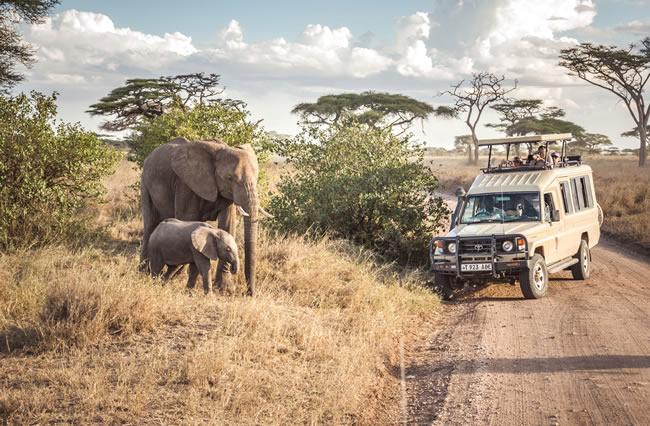
Tanzania is a captivating country rich in natural beauty and cultural heritage. It boasts an array of notable tourist attractions that appeal to both adventure seekers and those interested in historical and cultural experiences. One of the most famous destinations is Serengeti National Park, renowned for its annual wildebeest migration, which occurs between June and August. Visitors can witness thousands of animals traverse the plains, making it an unparalleled wildlife experience. The best time to visit the Serengeti is during this migration period, ensuring spectacular game viewing.
Another iconic landmark is Mount Kilimanjaro, the highest mountain in Africa. Climbers from around the world are drawn to its majestic peaks and challenging trails. Although trekking can be attempted year-round, the optimal times to ascend the mountain are during the dry seasons, from January to March and June to October. Reaching the summit is not only a physical challenge but also offers breathtaking views that are well worth the effort.
Zanzibar, an archipelago off the coast of Tanzania, is known for its stunning beaches and rich historical significance. The island’s capital, Stone Town, showcases a blend of Arabic, Persian, Indian, and European influences, providing visitors with a unique cultural experience. The months from June to October are ideal for travel to Zanzibar, as the weather is pleasantly warm, making it perfect for beach activities and exploring the vibrant local markets.
The Ngorongoro Crater, a UNESCO World Heritage Site, is another must-visit destination. This massive volcanic caldera is home to a diverse range of wildlife, including lions, elephants, and rhinoceroses. The best time to explore the Ngorongoro Crater is during the dry season, which spans from June to September, facilitating easier wildlife viewing. The crater’s rich ecosystem and stunning geology contribute to its status as one of Tanzania’s most remarkable natural wonders.
When planning a trip to these destinations, understanding their unique characteristics and optimal visiting times can enhance the overall travel experience, allowing first-time visitors to fully appreciate the beauty and culture of Tanzania.
Travelers planning to visit Tanzania should be aware of the visa requirements that vary based on individual nationality. It is essential to check the specific entry regulations that apply to your country before embarking on your journey. Many nationalities are required to obtain a visa to enter Tanzania, while some can enter the country visa-free for a limited period.
For those who require a visa, Tanzania offers several types, including tourist visas, business visas, and transit visas. The most common choice for first-time visitors is the tourist visa, which typically allows for a stay of up to 90 days. To apply for a Tanzanian visa, travelers can either do so online or through a Tanzanian embassy or consulate in their home country. The electronic visa application system is a convenient option that facilitates the process, allowing applicants to submit their documents and payment electronically.
When applying for a visa, applicants must provide several key documents, including a valid passport with at least six months’ validity beyond the date of entry, recent passport-sized photographs, proof of onward travel, and accommodation details while in Tanzania. It is important to ensure that all documentation meets the required standards, as any discrepancies can lead to delays or rejections.
Additionally, travelers should check for any health-related entry restrictions, such as vaccinations for yellow fever, particularly if they are arriving from countries where the disease is prevalent. It is advisable to carry relevant vaccination certificates as proof, as they may be required upon arrival. By properly preparing for these visa and entry requirements, first-time visitors can enjoy a smooth transition to this beautiful country.
Choosing the right time to visit Tanzania can significantly enhance your travel experience, as various factors, including weather conditions and wildlife migration patterns, play a crucial role. Generally, the best times to visit Tanzania are during the dry seasons, which occur from June to October and from January to February. These months provide optimal conditions with less rainfall and clear skies, making it easier to embark on safaris and explore the country’s stunning landscapes.
In June, the long rains begin to recede, and the wildlife is more active, making it an exciting time for viewing animals. By July, migration reaches its peak as thousands of wildebeests and zebras traverse the Serengeti in search of fresh grazing grounds. The dramatic river crossings during this period are particularly breathtaking and are a highlight for many visitors. Alongside these migrations, the cooler temperatures during the dry season make outdoor activities more enjoyable, as wildlife gatherings at water sources offer excellent opportunities for observation.
Another favorable period to visit Tanzania is in January and February when calving season takes place. This is a remarkable time to witness newborn wildebeests and the associated predation, as various big cats, like lions and cheetahs, show heightened activity in the Serengeti. Furthermore, local festivals often occur during these months, allowing visitors to experience the rich culture and traditions of the Tanzanian people. Each festival showcases unique music, dance, and handicrafts, enriching your journey.
In summary, while Tanzania can be visited throughout the year, planning your trip around the dry seasons and key wildlife events will undoubtedly provide an unforgettable experience. Whether to observe wildlife migrations or participate in local festivities, aligning your travel dates to these highlights will enhance your overall adventure in Tanzania.
When visiting Tanzania, understanding and respecting local cultures is paramount for fostering positive interactions with the residents. First and foremost, it is important to dress modestly. In more rural areas, women should wear long skirts or dresses, while men may opt for long trousers and collared shirts. In cities like Dar es Salaam, there is somewhat more latitude, but modesty is still valued, particularly when visiting religious sites.
Greeting locals with respect is an integral part of Tanzanian culture. A simple handshake while maintaining eye contact is customary, often accompanied by a friendly smile. For women, a courteous nod or a gentle wave may suffice. It is also important to note that greetings often require inquiring about one’s health and family; these questions demonstrate your interest in the community. Addressing elders and authority figures with titles such as ‘Baba’ (father) or ‘Mama’ (mother) is a sign of respect that is greatly appreciated.
Moreover, when invited to a local home, it is courteous to bring a small gift, such as fruit or sweets, as a token of appreciation. Upon entering a Tanzanian home, guests should remove their shoes, reflecting respect for the household. It is also advisable to wait for your host to initiate dining; meals are often a communal event, and trying to serve yourself is considered impolite.
Cultural norms also extend to public behavior. It is essential to maintain a calm demeanor and avoid loud conversations, especially in public settings like markets or during traditional ceremonies. Using polite language and gestures will foster goodwill among the locals and can enhance your travel experience. Understanding and adhering to these customs allows for a deeper connection with the Tanzanian people and a more enriching travel experience.
Traveling to Tanzania can be a remarkable experience, yet it is essential for first-time visitors to be aware of certain health precautions and safety measures to ensure a smooth journey. One of the primary health concerns for travelers to Tanzania is the risk of malaria. It is strongly advisable to consult with a healthcare provider to discuss the necessity of malaria prophylaxis before departure. Common medications include Atovaquone-proguanil and Doxycycline, but the best option will depend on individual health profiles and travel plans.
In addition to malaria prevention, vaccinations are another crucial component of travel health preparation. Recommended vaccinations may include Hepatitis A, Typhoid, and Yellow Fever, depending on the traveler’s medical history and itinerary within Tanzania. A Yellow Fever vaccination certificate might be required when entering certain regions of the country, particularly if arriving from a country where the virus is endemic. It is wise to check the latest immunization guidelines from reputable health organizations before traveling.
In terms of general safety, travelers should always remain vigilant and be aware of their surroundings. It is advisable to avoid displaying valuables such as jewelry or expensive electronics in public areas to reduce the risk of theft. Additionally, when exploring national parks or rural regions, it is recommended to travel with a guide who is knowledgeable about the local wildlife and terrain, which will enhance both safety and the overall experience.
In terms of maintaining health during your stay, drinking bottled water is advisable to avoid waterborne illnesses. Furthermore, travelers should ensure that they have access to necessary medical supplies and know the location of the nearest hospitals or clinics, particularly in more remote areas. Carrying a basic first-aid kit can also be beneficial.
In conclusion, taking the necessary health and safety precautions before and during a trip to Tanzania will help ensure a safe and enjoyable experience. By staying informed and adequately prepared, first-time visitors can focus on exploring the rich culture, wildlife, and landscapes without unnecessary concerns about their health and safety.
Tanzania offers a variety of transportation options to facilitate travel for visitors. Understanding these different modes is crucial for efficiently navigating the country and enhancing the overall experience.
One of the most efficient ways to travel between major cities and tourist destinations in Tanzania is through domestic flights. Airlines such as Precision Air and Air Tanzania operate several routes, significantly reducing travel time. Taking a flight can be advantageous for those looking to maximize their itinerary, especially when traveling to remote areas like the Serengeti or Zanzibar. However, it is important to consider that flight availability may be limited and prices can vary, making booking in advance advisable.
For those preferring ground transportation, buses are a popular option. Long-distance bus companies operate routes connecting cities and regions. Buses provide an economical choice for budget travelers, with varying degrees of comfort. While they may save money, passengers should be prepared for potentially extended travel times and amenities that can differ greatly from one service to another.
Car rentals are another way to explore Tanzania, offering the freedom to travel at one’s own pace. Numerous agencies provide rental services in urban centers as well as at airports. This option allows visitors to access off-the-beaten-path attractions and stunning landscapes. However, driving conditions may be challenging due to road quality and differing local driving customs, which might be daunting for some first-time visitors.
Taxis and ride-sharing services like Uber and Bolt are also available, particularly in larger cities like Dar es Salaam. This mode of transportation is convenient for short distances and provides door-to-door service. Nevertheless, it is essential to negotiate fares beforehand or ensure that the meter is running to avoid misunderstandings.
Choosing the right transportation mode in Tanzania depends on budget, itinerary, and comfort with local driving conditions. Each option has its own advantages and disadvantages, and making informed choices can contribute significantly to a rewarding travel experience.
When planning a trip to Tanzania, one of the most critical aspects to consider is your accommodation. The country offers a diverse range of lodging options that cater to various tastes and budgets, from luxurious lodges nestled in the heart of nature to budget-friendly hostels in urban areas. Whether you are a backpacker seeking adventure or a family looking for comfort, there is something for everyone.
For those interested in a lavish experience, luxury lodges are abundant in areas like Serengeti National Park and Ngorongoro Crater. These establishments typically offer stunning views, gourmet meals, and amenities such as spa services and guided tours. Lodges such as Singita Serengeti and Crater Lodge are known for their exceptional service, blending luxury with the spectacular natural beauty of Tanzania.
If you are traveling on a moderate budget, mid-range hotels and boutique lodges are ideal. These accommodations often provide a more personal touch and allow visitors to immerse themselves in local culture. Hotels like Zawadi Beach Villas and Lake Manyara Wildlife Lodge offer comfortable amenities without a hefty price tag, striking a good balance for travelers looking to blend comfort with affordability.
For those on a tight budget, hostels and guesthouses are widely available, primarily in urban centers such as Dar es Salaam and Arusha. These options are not only economical but also provide opportunities to meet fellow travelers. Establishments like Sleep Inn Hotel and Tz Backpackers offer clean, basic facilities at an affordable price, making them excellent choices for backpackers and adventurous young travelers.
In conclusion, whether you wish to indulge in luxury or are seeking budget-friendly alternatives, Tanzania has an array of accommodations to suit every preference and financial plan. Careful consideration of your needs will help ensure that you have a memorable stay in this beautiful East African country.

Tanzania boasts a rich culinary landscape that reflects its diverse cultures and traditions. For first-time visitors, indulging in the local cuisine is an essential part of the travel experience. The flavors of Tanzanian dishes often harmonize with fresh ingredients sourced from the land and sea, providing a unique gastronomic adventure.
One of the signature dishes that travelers must try is ugali, a staple made from maize flour and water. This dense porridge serves as a base for many meals, often accompanied by grilled fish, vegetables, or meat dishes. It is a common feature at family gatherings and is enjoyed by locals throughout the country.
Another culinary delight is zanzibar pizza, particularly popular in the coastal areas, especially Zanzibar. This dish is a fusion of various influences, combining elements of traditional pizza with local spices and ingredients, such as eggs, meat, and vegetables, all wrapped in a thin dough and cooked on a hot grill.
For those looking for street food, samosas are widely available and make for a delicious snack. These deep-fried pastries are typically filled with beef, chicken, or potato and are a favorite among locals and visitors alike. Enjoying this street food can often lead to discovering small vendors that offer authentic flavors and recipes passed down through generations.
Additionally, no visit to Tanzania would be complete without trying nyama choma, which translates to “grilled meat.” This barbecue-style dish is usually served with kachumbari, a fresh tomato and onion salad, and is a popular choice for social gatherings, particularly on weekends. Street vendors and local restaurants throughout the nation serve this tasty dish, making it accessible for everyone.
To fully immerse oneself in Tanzanian cuisine, dining at local markets or eateries is recommended. They not only offer a variety of traditional dishes but also create vibrant atmospheres that showcase the warmth of Tanzanian hospitality.
When preparing for a journey to Tanzania, careful consideration of what to pack is crucial. As a first-time visitor, understanding the diverse activities you may engage in and the varying weather conditions can enhance your travel experience. Here are some essential items to include in your packing list.
First and foremost, clothing is key. Lightweight, breathable fabrics are recommended due to the warm climate. However, it’s important to also pack layers for cooler nights and high-altitude regions like Mount Kilimanjaro. Neutral colors are advisable for safari outings, as they help you blend in with the natural environment, minimizing wildlife disturbance.
Footwear is another critical consideration. A pair of sturdy hiking boots is essential for trekking, while comfortable sandals or shoes are advisable for casual wear. It is wise to bring a wide-brimmed hat and a pair of sunglasses to shield yourself from the intense sun, particularly in the daytime.
Travel accessories such as a reusable water bottle and a portable charger for your electronic devices can enhance convenience and comfort during your travels. First aid supplies, including insect repellent and sunscreen, are also important, given the potential exposure to the elements and local wildlife.
Outdoor gear, such as binoculars for wildlife viewing, should be on your list. A camera with a good zoom lens will allow you to capture the stunning landscapes and wildlife you encounter. Additionally, packing a lightweight rain jacket is advisable to prepare for unexpected showers, especially if traveling during the rainy season.
Don’t forget personal items like your passport, travel insurance, and any necessary medication. Lastly, necessities for personal comfort, including toiletries and quick-dry towels, should round out your packing list, ensuring you’re well-equipped for your Tanzanian adventure.

3-Day Tanzania Safari Itinerary: Best Routes, Costs & Where to Stay A 3-day Tanzania safari is a great choice if you have... Read More

Moshi is one of the best places to stay before climbing Mount Kilimanjaro. Located in northern Tanzania, near the mountain’s southern slopes,... Read More
Planning a safari in Tanzania involves more than choosing national parks and wildlife experiences. You also need to decide where to spend... Read More
Join The Discussion