


Affordable Luxury Beach Resorts in Zanzibar
- September 25, 2026
- Accomodations, For Travelers
Zanzibar is famous for white-sand beaches, turquoise water, palm trees and beautiful beach resorts. It is also one of the easiest places... Read More
 by Safari Lala

Tanzania is one of Africa’s most diverse and rewarding travel destinations. From the wildlife plains of Serengeti National Park and the dramatic landscapes of the Ngorongoro Conservation Area to the beaches of Zanzibar and the slopes of Mount Kilimanjaro, the country offers experiences that attract millions of travelers every year.
Accommodation plays a major role in shaping these experiences. The place where travelers stay often influences comfort, convenience, accessibility, and the overall impression of a destination. Whether someone is visiting Tanzania for a safari adventure, beach holiday, cultural experience, honeymoon, mountain expedition, family vacation, or business trip, choosing the right accommodation becomes an important part of travel planning.
Tanzania’s hospitality industry has expanded significantly over the years. Travelers can now choose from luxury safari lodges, eco-camps, boutique hotels, beach resorts, apartments, hostels, guesthouses, and modern city hotels across different regions of the country. This diversity allows Tanzania to accommodate travelers with different budgets, interests, and travel styles.
As tourism continues growing, online accommodation discovery has also become increasingly important. Travelers now spend more time researching hotels, comparing destinations, viewing images, and reading reviews before making booking decisions. This digital transformation has changed how accommodation providers present themselves and compete for visibility.
This guide explores Tanzania’s accommodation landscape in detail, helping travelers understand the different types of lodges and hotels available while also examining the future of accommodation booking in Tanzania.
Safari lodges are among the most recognized accommodation types in Tanzania. They are designed to support wildlife tourism experiences and are commonly located near or inside conservation areas and national parks.
Northern Tanzania remains the country’s most famous safari region, attracting visitors from around the world. Popular safari destinations include Serengeti National Park, Tarangire National Park, Lake Manyara National Park, and the Ngorongoro Conservation Area. Southern circuit destinations such as Ruaha National Park and Nyerere National Park are also growing in popularity.
Safari lodges vary widely in style and price range. Some focus on luxury and exclusivity, while others provide affordable experiences for budget-conscious travelers.
Luxury safari lodges often emphasize:
Many luxury properties are designed to blend naturally into their surroundings. Open-air lounges, elevated decks, and eco-conscious architecture help guests feel connected to nature while still enjoying comfort and privacy.
Mid-range safari lodges are popular among families and travelers seeking balance between affordability and comfort. These lodges usually provide guided safari experiences, comfortable rooms, restaurant facilities, and convenient access to wildlife areas.
Budget safari accommodation is also widely available. Campsites, hostels, and affordable safari lodges allow younger travelers, backpackers, and adventure tourists to experience Tanzania’s wildlife without luxury pricing.
Location is one of the most important factors in safari accommodation. Many travelers prefer lodges positioned close to migration routes, game viewing areas, or scenic landscapes. During the Great Migration season, accommodation demand in Serengeti rises significantly as travelers seek front-row access to wildlife movement.
Safari lodges also increasingly support family travel, honeymoon tourism, and photography tourism. As travel preferences evolve, many properties are adapting by offering personalized experiences tailored to specific traveler interests.
Tanzania’s coastline and islands provide some of East Africa’s most attractive beach destinations. Zanzibar, in particular, has become internationally recognized for its white sand beaches, turquoise waters, and relaxed atmosphere.
Beach accommodation in Tanzania ranges from luxury resorts and boutique villas to guesthouses and affordable hostels. Popular coastal destinations include Nungwi, Kendwa, Paje, Jambiani, Stone Town, and Mafia Island.
Luxury beach resorts often focus on:
These resorts are especially popular among honeymoon travelers and international tourists seeking relaxation after safari experiences.
Boutique beach hotels also play an important role in Zanzibar’s hospitality industry. Many smaller properties attract travelers looking for personalized experiences and authentic coastal environments rather than large resort settings.
Mid-range and budget accommodations are widely available across coastal areas. Backpackers and long-term travelers frequently choose smaller beach lodges or guesthouses because they offer affordable access to some of Tanzania’s most beautiful destinations.
Coastal accommodation providers increasingly rely on visual marketing because beach travelers often make decisions based on atmosphere and imagery. High-quality photography, beachfront visuals, and lifestyle presentation strongly influence booking behavior.
Boutique hotels continue gaining popularity throughout Tanzania because travelers increasingly seek unique and personalized experiences. Unlike large chain hotels, boutique properties usually focus on atmosphere, design, local identity, and smaller guest capacity.
Many boutique accommodations integrate:
Boutique hotels are especially common in Zanzibar, Arusha, and safari gateway towns where travelers often seek more intimate hospitality experiences.
One major advantage boutique hotels have is authenticity. Travelers today are increasingly interested in experiencing destinations through local culture, food, design, and storytelling rather than standardized global hotel environments.
Smaller lodges and boutique accommodations also allow travelers to interact more closely with local communities and hospitality staff, creating stronger emotional connections during their stay.
Because boutique hotels rely heavily on visual identity and experience-driven marketing, strong online presentation becomes extremely important. Professional photography, storytelling, and structured accommodation descriptions help boutique properties compete effectively in the digital travel market.
While Tanzania is globally known for safari and beach tourism, city hotels remain an important part of the accommodation industry. Cities such as Dar es Salaam, Arusha, Mwanza, and Dodoma support business travel, conferences, transit tourism, and domestic travel demand.
Business hotels typically focus on:
Dar es Salaam serves as Tanzania’s largest commercial city and hosts many international visitors traveling for business, trade, and government activities. Arusha also attracts business travelers due to its role as a safari tourism hub and diplomatic center for East Africa.
Modern city hotels increasingly balance business functionality with leisure comfort. Many properties now include swimming pools, fitness centers, rooftop dining, and co-working environments to attract both business and leisure travelers.
Apartment hotels and serviced apartments are also becoming more common in urban areas. These accommodations appeal to long-term travelers, remote workers, consultants, and families seeking more flexible living arrangements.
Budget travel remains an important segment of Tanzania’s tourism industry. Many travelers visiting the country prioritize affordability over luxury, especially backpackers, students, solo travelers, and adventure tourists.
Affordable accommodation options include guesthouses, hostels, basic lodges, dormitories, and budget city hotels. Backpacker-friendly destinations such as Arusha, Moshi, Zanzibar, and Dar es Salaam provide a wide range of affordable stays.
Budget travelers often prioritize:
Hostels and backpacker lodges also create opportunities for social interaction among international travelers exploring East Africa.
Moshi, located near Mount Kilimanjaro, is particularly popular among backpackers and climbers preparing for trekking expeditions. Affordable accommodation helps support adventure tourism and allows Tanzania to remain accessible to younger travel markets.
Budget accommodation also contributes to domestic tourism growth by making travel more affordable for local travelers exploring destinations within Tanzania.
Family travel in Tanzania continues growing as more parents seek wildlife, cultural, and beach experiences suitable for children. Accommodation providers increasingly recognize this trend and are adapting services to support family-friendly travel.
Family-oriented accommodations often emphasize:
Safari lodges are becoming especially popular for family travel because they combine education, adventure, and nature experiences. Children have opportunities to learn about wildlife while parents enjoy comfortable accommodation and guided experiences.
Zanzibar also attracts many family travelers because of its calm beaches and relaxed atmosphere. Resorts with larger villas and family facilities are especially attractive for longer stays.
Families often spend more time researching accommodation before booking. They evaluate safety, room layouts, reviews, location convenience, and amenities carefully before making decisions.
This means online visibility and trust-building are extremely important for accommodations targeting family travelers.
The way travelers discover accommodation has changed dramatically. In the past, travelers relied heavily on travel agencies, guidebooks, or walk-in bookings. Today, most travel planning happens online.
Travelers now compare:
This digital shift has transformed the hospitality industry in Tanzania.
Hotels and lodges with strong online visibility are more likely to attract attention from travelers researching destinations. Clear presentation, organized information, quality photography, and mobile-friendly browsing experiences all influence booking behavior.
For smaller hotels and independent lodges, online visibility can be especially important because it allows them to compete with larger international brands.
Accommodation marketplaces and travel platforms now play a central role in helping travelers discover places to stay. Platforms like SafariLala support accommodation discovery by organizing hotels, lodges, resorts, and apartments within Tanzania-focused travel searches.
As mobile-first travel planning continues growing across Africa, digital discoverability will become even more important for accommodation providers seeking long-term growth.
Tanzania’s accommodation industry is expected to continue evolving alongside tourism growth, digital transformation, and changing traveler expectations.
Several major trends are shaping the future:
Travelers increasingly seek accommodations that provide more than just a place to sleep. They want experiences connected to culture, nature, wellness, and local identity.
Eco-lodges and sustainable tourism initiatives are also gaining attention as travelers become more environmentally conscious. Properties that support conservation, local employment, and community engagement are becoming more attractive to global audiences.
Technology will continue influencing accommodation discovery and booking behavior. Hotels that invest in digital visibility, structured listings, quality visuals, and traveler trust signals will likely perform better in the long term.
Tanzania offers one of Africa’s most diverse accommodation landscapes. From luxury safari lodges and beach resorts to boutique hotels, family lodges, city apartments, and backpacker hostels, the country provides options for nearly every travel style and budget.
As tourism continues expanding, accommodation providers face both opportunities and challenges. Travelers are more informed, more connected, and more selective than ever before. Visibility, presentation, and trust now play major roles in how travelers choose where to stay.
For travelers, understanding Tanzania’s accommodation ecosystem helps create better travel experiences. For hotels and lodges, adapting to digital tourism trends and evolving traveler expectations will remain essential for long-term success.
In the future of Tanzania tourism, discoverability will become just as important as hospitality itself.
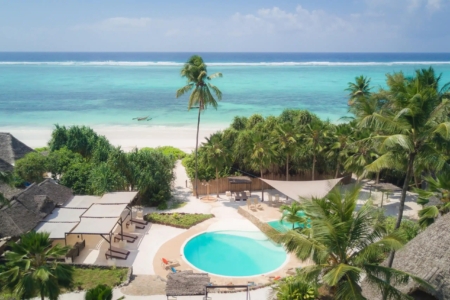
Zanzibar is famous for white-sand beaches, turquoise water, palm trees and beautiful beach resorts. It is also one of the easiest places... Read More
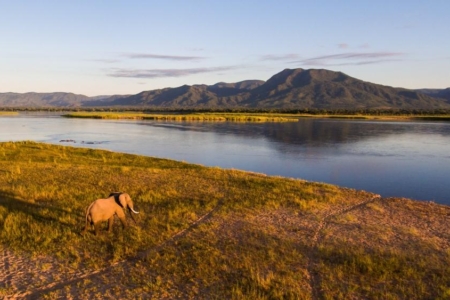
Mana Pools National Park is one of Zimbabwe’s most remarkable safari destinations. Located along the Zambezi River in northern Zimbabwe, the park... Read More
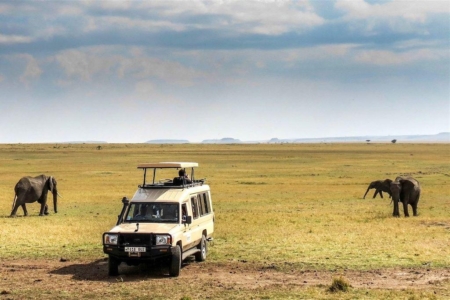
Africa is one of the world’s most diverse travel continents. A single trip can take you from the beaches of Zanzibar to... Read More

Zanzibar is famous for white-sand beaches,... Read More
Mana Pools National Park is one... Read More
Africa is one of the world’s... Read More
Join The Discussion