
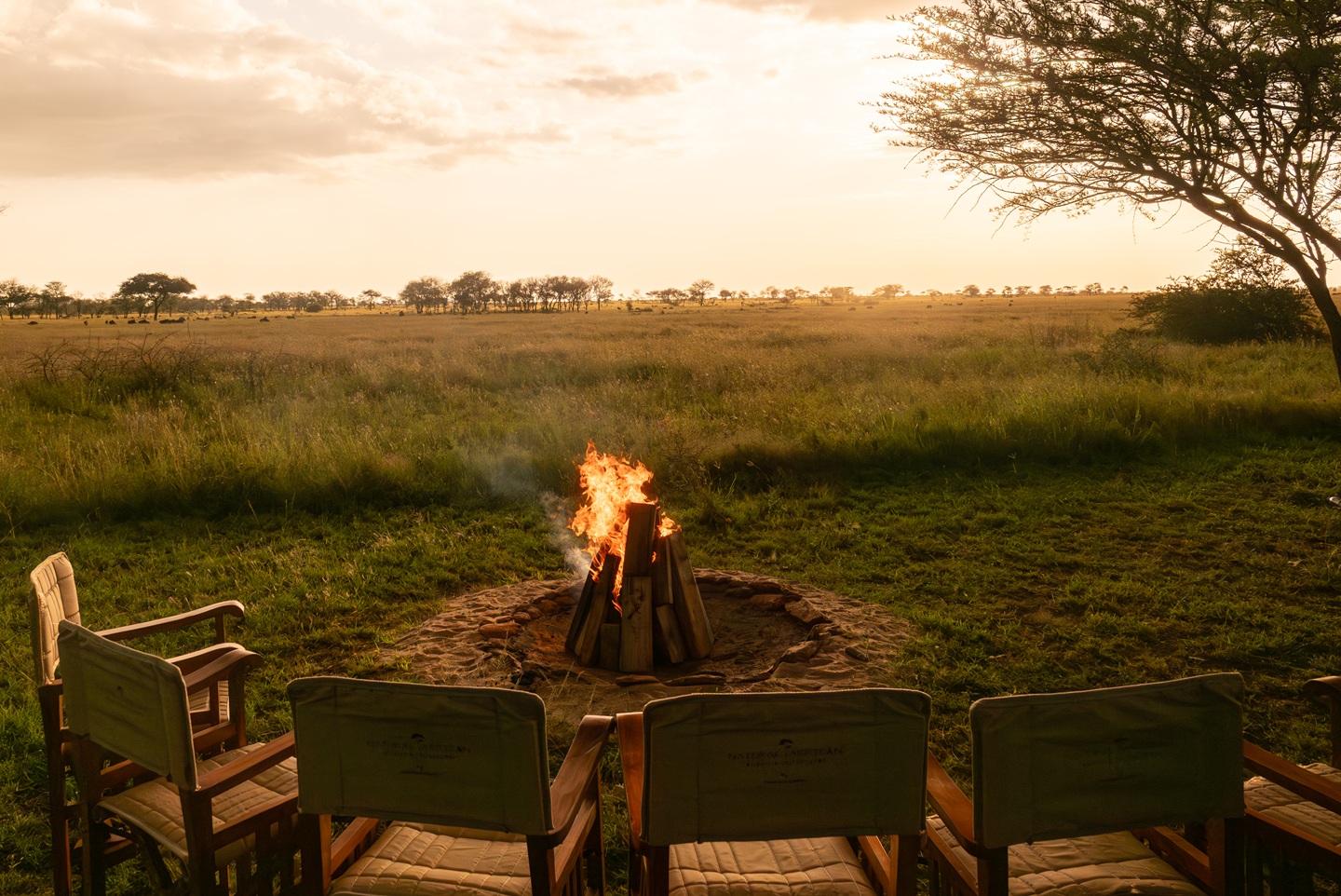
5 Day Tanzania Safari – Tarangire, Serengeti and Ngorongoro Crater Featured
serengetiProviding
- The host will provide:
- 4x4 safari vehicle with a professional driver-guide.
- Park fees
- Accommodation
- Meals during the safari as specified by the operator.
- Game drives in Tarangire, Serengeti, and Ngorongoro Crater.
- A knowledgeable safari guide
- Bring with you:
About this experience
A 5-day Tanzania safari offers an opportunity to explore three of the country’s most famous wildlife destinations: Tarangire National Park, Serengeti National Park and the Ngorongoro Crater. Each destination has its own landscape, wildlife and character, making this combination a popular choice for travelers who want to experience northern Tanzania in a single trip.
Tarangire is known for its large elephant populations and distinctive baobab trees. Serengeti is famous for its expansive plains, big cats and the Great Wildebeest Migration. Ngorongoro Crater offers a different setting, where grasslands, wetlands and woodland support a remarkable concentration of wildlife within a volcanic caldera.
Together, these destinations provide a varied introduction to Tanzania’s safari country.
However, a successful safari involves more than choosing the national parks. Travelers also need to consider driving distances, accommodation locations, seasonal wildlife movements, the quality of guiding and the reliability of the operator arranging the trip.
Safarilala helps travelers find suitable safari operators by considering factors such as trustworthiness, service reputation and real traveler experiences. If you are planning this five-day safari, you can contact Safarilala for guidance on finding an operator that matches your travel dates, budget and preferences.
What Is a 5-Day Tanzania Safari?
A five-day northern Tanzania safari is a multi-day wildlife journey that can combine Tarangire National Park, Serengeti National Park and the Ngorongoro Conservation Area.
These destinations are located in northern Tanzania and are commonly visited as part of the country’s northern safari circuit. The journey typically involves traveling by safari vehicle, exploring different wildlife habitats and staying overnight at lodges or tented camps.
The exact route, accommodation and daily activities depend on the operator and the package being arranged. Driving times can vary considerably according to the starting point, road conditions, accommodation location and the area of the Serengeti being visited.
Five days can provide a rewarding introduction to these destinations, but travelers should understand that time is shared between driving, game viewing and overnight stops. Anyone particularly interested in the Great Migration or extended wildlife photography should discuss those priorities before choosing an operator.
Day 1: Explore Tarangire National Park
Tarangire National Park is a memorable place to begin a Tanzania safari. Located southwest of Arusha, the park is characterized by open savannah, woodland, seasonal swamps and impressive baobab trees.
The Tarangire River is an important source of water for wildlife, particularly during the dry season. As water becomes less available in surrounding areas, animals may gather around the river and other remaining water sources.
Wildlife in Tarangire
Tarangire is especially well known for elephants. Travelers may see family groups moving through the woodland, feeding near baobab trees or gathering around water.
Other animals found in the park include giraffes, zebras, wildebeest, buffalo and several antelope species. Lions and other predators also inhabit the area, although sightings depend on their movements and the conditions during the visit.
The park’s different habitats support a variety of bird species, making Tarangire interesting for birdwatchers as well as travelers focused on larger animals.
A game drive provides an opportunity to observe wildlife in its natural environment. A knowledgeable guide can explain animal behavior, identify tracks and help visitors understand how the landscape changes with the seasons.
Why visit Tarangire?
Tarangire offers a different atmosphere from the Serengeti’s extensive plains. Its trees, river valleys and seasonal wetlands create varied scenery and provide excellent opportunities for wildlife photography.
Elephants are a major attraction, but the experience is not limited to them. The park’s birdlife, landscapes and interactions between different species make it worth exploring in its own right.
After the day’s activities, travelers generally proceed to their selected accommodation for dinner and an overnight stay. The location and accommodation category should be confirmed with the operator before booking.
Day 2: Travel to Serengeti National Park
The second day focuses on traveling from the Tarangire area towards Serengeti National Park.
The journey introduces travelers to the changing landscapes of northern Tanzania. Depending on the route, it may pass through areas of the Ngorongoro Conservation Area before continuing towards the Serengeti.
This is an important consideration when planning a five-day safari. Serengeti is a large national park, and the driving time depends on where travelers enter the park and where their accommodation is located.
Discover the Serengeti plains
The Serengeti is one of Africa’s best-known wildlife destinations. Its name is associated with wide grasslands, large herds of grazing animals and predators that depend on them.
Although the plains are a defining feature, the wider ecosystem also includes woodland, rivers, rocky outcrops and other habitats. These different environments support a diverse range of wildlife.
Animals that travelers may encounter include zebras, wildebeest, giraffes, elephants, buffalo, lions, cheetahs and leopards. The species seen during a particular visit depend on the location, season and conditions.
Depending on arrival time and the confirmed itinerary, travelers may have an afternoon game drive or continue through the park towards their camp or lodge.
Understanding wildlife sightings
Wildlife viewing is unpredictable. Guides use their knowledge of the park, recent sightings and animal behavior to identify promising areas, but no particular sighting can be guaranteed.
This is especially important for visitors hoping to see predators. Lions may be resting in shade, cheetahs may be scanning open grassland, and leopards may remain concealed in trees or dense vegetation.
The experience is often more rewarding when travelers allow time to observe animals rather than treating each sighting as a quick photograph.
After the day’s drive, travelers spend the night at their selected Serengeti accommodation.
Day 3: Enjoy a Full Day in Serengeti National Park
A full day in the Serengeti gives travelers more time to explore the park and observe its wildlife.
Depending on the operator’s arrangements, activities may include an early morning game drive, a picnic lunch and additional wildlife viewing in the afternoon. The exact schedule should be confirmed when the trip is arranged.
Look for Africa’s famous wildlife
The Serengeti supports a variety of large mammals, including several members of the Big Five: lions, leopards, elephants, buffalo and rhinoceros.
Lions are among the park’s best-known predators. They may be seen resting in groups, moving across the plains or interacting with other members of a pride.
Cheetahs are associated with open habitats, where they can scan for prey. Leopards are more elusive and are often difficult to spot because they spend time in woodland and other areas offering cover.
Elephants and buffalo may be encountered in different habitats, while zebras and wildebeest are frequently seen grazing across the grasslands.
Rhinoceros sightings should not be assumed. They are relatively scarce, and seeing all five species during a short safari is never guaranteed.
The Great Wildebeest Migration
The Great Wildebeest Migration is one of the main reasons travelers visit the Serengeti.
Large herds of wildebeest and zebras move through the Serengeti–Mara ecosystem in response to rainfall and the availability of fresh grazing. Their movements change throughout the year, meaning the best area to visit depends on the season and recent conditions.
Some travelers want to see the calving season, while others hope to witness the dramatic river crossings associated with the migration.
These events are natural and unpredictable. Even when herds are in a particular region, a river crossing is not guaranteed during a scheduled game drive.
If the migration is a priority, travelers should tell Safarilala when making an inquiry. Safarilala can help them find an operator whose route and experience are appropriate for their travel dates and wildlife interests.
Why spend a full day in the Serengeti?
The Serengeti is extensive, and different areas offer different wildlife-viewing opportunities. A full day gives travelers more time to explore than a brief drive through the park.
It also allows guides to respond to changing conditions and explore more than one habitat.
For travelers interested in photography, the extra time can be especially valuable. Observing animals in different lighting conditions and watching their behavior often produces a richer experience than simply traveling between locations.
After the game drives, travelers return to their accommodation for the evening.
Day 4: Travel Towards the Ngorongoro Conservation Area
The fourth day involves leaving the Serengeti and traveling towards the Ngorongoro Conservation Area.
The landscape changes along the way, with the open plains giving way to highland scenery and areas shaped by volcanic activity. Depending on the route and schedule, travelers may have opportunities to appreciate the scenery before reaching their overnight accommodation.
The Ngorongoro Conservation Area is managed by the Ngorongoro Conservation Area Authority and is known for its wildlife, volcanic landscapes and cultural significance.
Discover the Ngorongoro highlands
The highlands offer a different setting from Tarangire and Serengeti. Elevation, vegetation and temperature change across the region, and some locations can be considerably cooler than the lowlands.
The Ngorongoro Crater is the area’s most famous attraction. It formed after a large volcano collapsed, creating a vast caldera surrounded by steep walls.
A viewpoint along the route may provide a view across the crater, depending on the itinerary and schedule.
The scenery is a reminder that a Tanzania safari is not only about wildlife. Geology, vegetation and the changing landscapes between parks are also part of the experience.
Where do travelers stay?
Accommodation before the crater visit may be arranged near the crater rim or in the Karatu area, depending on the operator’s itinerary.
Staying near the crater rim can reduce the distance to the descent point, while Karatu offers access to lodges outside the conservation area.
The best choice depends on the package, budget, availability and the time planned for the following day’s activities.
Travelers should confirm the actual property name and location rather than assuming that all packages include a lodge on the crater rim.
After arriving at the accommodation, travelers have time to rest before the final day’s wildlife drive.
Day 5: Explore Ngorongoro Crater
The final day centers on the Ngorongoro Crater, one of Tanzania’s most distinctive wildlife destinations.
The crater’s enclosed landscape contains grasslands, wetlands, woodland and a lake. These habitats support a range of mammals and birds, creating opportunities to observe different species during a single visit.
An early start is usually useful for travelers who want to maximize their time on the crater floor before returning to Arusha or another agreed destination.
Wildlife inside the crater
Ngorongoro is known for its concentration of wildlife within a relatively compact area.
Visitors may encounter lions, zebras, wildebeest, buffalo, hyenas, hippos and various antelope species. Elephants also occur in the conservation area, although individual sightings vary.
Black rhinoceros are among the species that make the crater particularly significant for wildlife conservation. However, they are relatively scarce, and a sighting cannot be promised.
The different habitats contribute to the diversity of wildlife. Grasslands support grazing animals, wetlands attract water-associated species, and woodland provides cover for animals that prefer more sheltered environments.
Can you see the Big Five in Ngorongoro?
Ngorongoro is one of Tanzania’s well-known destinations for travelers hoping to see the Big Five. Lions, elephants, buffalo and rhinoceros are associated with the conservation area, while leopards occur in the wider ecosystem but are difficult to spot.
Seeing all five species is possible in some circumstances, but it is not guaranteed. Wildlife moves freely, and sightings depend on animal behavior and conditions during the visit.
Travelers should appreciate the overall experience rather than judge the safari solely by whether every species is seen.
Return journey
After the crater game drive, the vehicle ascends to the crater rim and continues towards the agreed drop-off location.
For many road-based safaris, this means returning to Arusha. Other arrangements may be available if organized in advance.
Travelers should allow sufficient time for the game drive and return journey, especially if they have a connecting flight or other onward travel.
The fifth day brings the safari to a close, with memories of Tanzania’s wildlife, landscapes and distinct protected areas.
Best Time to Visit Tarangire, Serengeti and Ngorongoro
These destinations can be visited throughout much of the year, but seasonal conditions influence the landscape, wildlife movements and travel experience.
June to October
The dry season is popular for northern Tanzania safaris. As water becomes less available in some areas, wildlife may concentrate around remaining water sources.
Tarangire is especially known for elephant viewing during the dry season. The Serengeti also offers rewarding game drives, although the location of the Great Migration varies according to the time of year.
Travelers should book popular accommodation in advance where possible, especially during busy travel periods.
November to December
Short rains can bring changes to the landscape and encourage fresh grass growth. Wildlife movements respond to rainfall, so the most productive viewing areas may change.
Travelers interested in the migration should confirm the expected location of the herds rather than relying on a fixed calendar.
January to March
Parts of the southern Serengeti ecosystem are important during the wildebeest calving season. Travelers interested in this period should pay close attention to where the operator plans to stay and conduct game drives.
A property described simply as being in the Serengeti may not be close to the seasonal wildlife activity a traveler hopes to see.
April to May
These months can bring heavier rainfall in parts of northern Tanzania. Road conditions, travel times and camp operations may be affected.
Travelers should confirm that their preferred operator and accommodation can support the planned itinerary during these months.
Ultimately, the best time depends on individual interests, travel dates and the wildlife experience sought.
Accommodation on a Five-Day Tanzania Safari
Accommodation affects the comfort, cost and overall quality of a safari. Options may include campsites, tented camps and lodges, depending on the package selected.
Budget accommodation can help travelers manage costs while spending more of their time exploring the parks. Mid-range lodges and tented camps may offer private bathrooms, restaurant service and comfortable rooms or tents.
Luxury properties may provide spacious suites, personalized service, scenic locations and additional amenities.
However, the accommodation category alone does not determine whether a safari is well planned. Location matters just as much. A lodge far from the intended game-drive area may involve longer transfers and less time observing wildlife.
Before booking, travelers should ask for the names and locations of the properties, the number of nights at each, meal arrangements and any additional charges.
What Is Included in a Tanzania Safari Package?
Inclusions vary between operators and packages. Travelers should confirm the details in writing before paying a deposit.
Depending on the arrangement, a package may include:
- A professional driver-guide.
- Safari vehicle and transport between destinations.
- National park and conservation fees.
- Accommodation for the agreed number of nights.
- Meals specified in the itinerary.
- Drinking water during game drives.
- Transfers included in the booking agreement.
Airport transfers, optional activities, alcoholic drinks, tips and certain other services may be charged separately.
Travelers should also review payment terms, cancellation policies, child policies and any additional charges that may apply.
A clear breakdown makes it easier to compare offers and understand what is included in the total price.
What to Pack for a Five-Day Safari
Pack comfortable clothing suitable for changing temperatures. Early mornings can be cool, particularly in the Ngorongoro highlands, while afternoons may be warm.
Useful items include a warm layer, closed shoes, a hat, sunglasses, sunscreen, insect repellent and a small day bag.
Photography enthusiasts may want binoculars, spare camera batteries and enough memory storage for their equipment.
Prescription medicines and personal essentials should remain accessible during the trip. Travelers using domestic flights as part of a wider itinerary should also check the applicable luggage restrictions.
Packing light can make moving between accommodations easier, but travelers should make sure they have everything necessary for five days away from their main accommodation or luggage storage.
How to Choose a Trustworthy Safari Operator
The operator you choose plays a major role in your safari experience. A well-planned route, reliable communication, suitable accommodation and knowledgeable guiding can make a significant difference.
Before booking, consider the following factors.
Service reputation: Look for consistent feedback about communication, organization, guiding and how the operator responds when plans change.
Real traveler experiences: Reviews can help reveal what previous travelers experienced. Read the details rather than relying only on an overall rating, and look for specific comments about the services being offered.
Clear itinerary: The operator should explain the route, overnight stops, expected driving times and activities included in the package.
Transparent pricing: Ask what is included in the quoted price and which expenses must be paid separately.
Responsive communication: A reliable operator should answer reasonable questions about accommodation, transport, payment terms and travel arrangements.
Relevant experience: Consider whether the operator has experience arranging the type of safari you want, particularly if you are traveling during a specific migration season or have special accommodation requirements.
These checks can help travelers make a more informed decision. No review or recommendation can remove every risk, but clear information and a willingness to answer questions are useful signs when evaluating a provider.
How Safarilala Can Help You Find the Right Operator
Choosing a safari operator can be challenging, especially for travelers visiting Tanzania for the first time. Different providers may offer different accommodation standards, routes, prices and levels of service.
Safarilala helps travelers connect with suitable safari operators by considering their needs and the factors that matter when choosing a provider.
When contacting Safarilala, explain your intended travel dates, budget, group size, preferred accommodation and main wildlife interests. If seeing the Great Migration is important, mention that as well.
Safarilala can then help you identify a suitable operator based on factors such as trustworthiness, service reputation and real traveler experiences.
This approach allows travelers to make a more informed choice rather than selecting a provider based only on price or a short description.
Whether you are planning your first safari, organizing a couple’s trip or traveling with family and friends, contact Safarilala for assistance finding an operator that fits your requirements.
Frequently Asked Questions
Is five days enough to visit Tarangire, Serengeti and Ngorongoro Crater?
Yes, five days can be enough to visit all three destinations on a carefully planned itinerary. However, travelers should expect driving between parks and should confirm how much time is allocated to game drives.
What animals can I see on this safari?
Possible sightings include elephants, lions, zebras, wildebeest, giraffes, buffalo, hyenas and various antelope species. Cheetahs, leopards and black rhinoceros may also be seen, but sightings depend on location and conditions.
Can I see the Great Wildebeest Migration?
The Serengeti is part of the Great Migration ecosystem. Whether you see the herds depends on the season and their location during your visit. River crossings are particularly unpredictable.
Where does the safari start?
Many northern circuit road safaris start in Arusha, but the actual starting point depends on the operator and arrangements made for your trip. Confirm this before booking.
What accommodation is available?
Accommodation may range from camping to mid-range lodges and luxury tented camps. The actual properties and number of nights should be confirmed with the operator.
Are park fees included?
That depends on the package. Ask for a written list of inclusions and exclusions so you understand whether park and conservation fees are included in the quoted price.
Is this safari suitable for first-time visitors to Tanzania?
Yes. The three destinations offer a varied introduction to Tanzania’s wildlife and landscapes. First-time visitors should pay attention to driving distances, accommodation locations and the route planned for their travel dates.
How do I find a reliable safari operator?
Review the operator’s reputation, read detailed traveler feedback, check the itinerary and ask for transparent pricing. You can also contact Safarilala for guidance on finding a suitable operator based on your needs and real traveler experiences.
Can Safarilala help me choose an operator?
Yes. Contact Safarilala with your travel dates, budget, group size and preferences. Safarilala can help you identify a suitable operator by considering factors such as trustworthiness, service reputation and traveler experiences.
Contact Safarilala for Help Planning Your Safari
A five-day safari through Tarangire, Serengeti and Ngorongoro Crater brings together elephant country, the wildlife-rich Serengeti plains and a remarkable volcanic landscape.
The right operator can help you make the most of your time, understand the route and select accommodation suited to your needs.
If you are considering this safari, contact Safarilala and share your travel dates, budget, group size and wildlife interests.
Safarilala will help you find a suitable operator based on factors such as trustworthiness, service reputation and real traveler experiences, helping you make a more informed decision before booking your Tanzania safari.
Details
- ID: 5492
About the host
Nearby
Terms
- Smoking allowed: No
- Pets allowed: No
- Party allowed: No
- Children allowed: Yes
Availability
November 2026
- M
- T
- W
- T
- F
- S
- S
- 1
- 2
- 3
- 4
- 5
- 6
- 7
- 8
- 9
- 10
- 11
- 12
- 13
- 14
- 15
- 16
- 17
- 18
- 19
- 20
- 21
- 22
- 23
- 24
- 25
- 26
- 27
- 28
- 29
- 30
- Available
- Pending
- Booked

Hosted by Safari Lala
- Profile Status
- Verified
0 Review
Similar experiences
5 Day Serengeti and Ngorongoro Crater Safari
Serengeti National Park, Lake Zone, 31611, Tanzania- Wildlife Safari
From Karatu: Ngorongoro Crater Day trip
Ngorongoro Conservation Area, Arusha, Northern Zone, Tanzania- Wildlife Safari

DAY TRIP – Tarangire National Park safari
- Wildlife Safari
