Is Tanzania a Rich or Poor Country?
Tanzania is one of the most fascinating countries in Africa. Known for its incredible wildlife, beautiful landscapes, rich culture, and growing economy, the country attracts millions of visitors and investors every year. Yet many people still ask the same question: Is Tanzania a rich or poor country?
The answer is not as simple as choosing one word. Tanzania has enormous natural wealth, including minerals, fertile agricultural land, natural gas reserves, forests, freshwater resources, and some of the world’s most famous tourism attractions. At the same time, many Tanzanians continue to face economic challenges, and average incomes remain lower than those in developed countries.
To understand whether Tanzania is rich or poor, it is important to look beyond simple labels. A country can be rich in resources but still have a low average income. It can have a growing economy while many citizens continue to experience poverty. Tanzania is a good example of this complex reality.
Over the last two decades, Tanzania has achieved significant economic growth. Infrastructure projects, foreign investment, tourism development, mining activities, and improvements in technology have transformed many parts of the country. Cities such as Dar es Salaam, Arusha, and Mwanza have expanded rapidly, creating new opportunities for businesses and communities.
At the same time, challenges remain. Rural communities often have limited access to services and employment opportunities. Income inequality exists, and many households rely on agriculture for their livelihoods. As a result, Tanzania presents a unique picture of both wealth and development challenges.
This article explores Tanzania’s economy, natural resources, tourism industry, infrastructure growth, and living standards to answer the question of whether Tanzania is a rich or poor country.
Tanzania’s Natural Wealth
If natural resources alone determined a country’s wealth, Tanzania would rank among Africa’s richest nations. The country possesses vast natural assets that support multiple sectors of the economy.
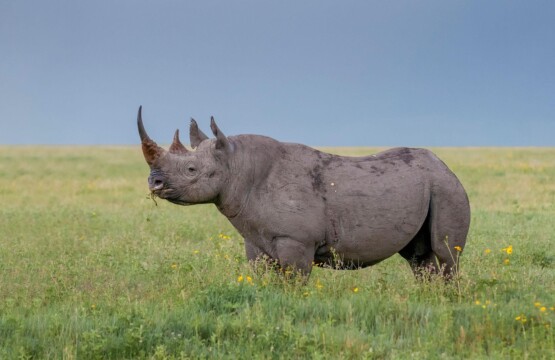
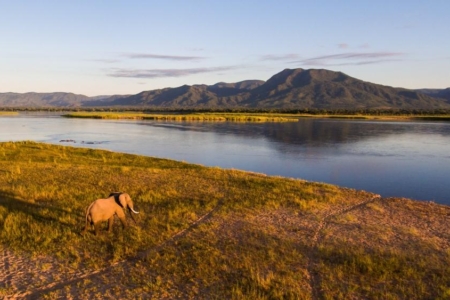
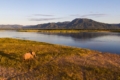
Tanzania is famous for its wildlife and protected areas. The country is home to some of the world’s most important conservation areas, including Serengeti National Park, Ngorongoro Conservation Area, Tarangire National Park, and Ruaha National Park. These destinations attract visitors from around the world and generate significant tourism revenue.
The country also contains valuable mineral resources. Tanzania is one of Africa’s leading gold producers and has deposits of diamonds, tanzanite, nickel, coal, and other minerals. Tanzanite, a rare gemstone found almost exclusively in Tanzania, is particularly famous in international markets.
Agriculture is another major source of wealth. Tanzania has millions of hectares of fertile land suitable for farming. Farmers produce crops such as coffee, tea, cotton, cashew nuts, tobacco, maize, rice, and fruits. Agriculture remains one of the largest employers in the country.
Natural gas discoveries have added another dimension to Tanzania’s economic potential. Offshore gas reserves have attracted international interest and could contribute significantly to future economic growth.
The country’s freshwater resources are also substantial. Lakes, rivers, and wetlands support agriculture, fishing, hydroelectric power generation, and tourism activities.
When viewed from the perspective of natural assets, Tanzania is clearly a wealthy country. The challenge lies in transforming these resources into higher incomes and improved living standards for the population.
Tanzania’s Economy
Tanzania has one of the largest economies in East Africa. Over the years, economic reforms and investment have helped diversify economic activity beyond traditional agriculture.
The country’s economy is supported by several key sectors. Agriculture remains important, but tourism, mining, construction, manufacturing, telecommunications, transportation, and financial services have become increasingly significant.
Economic growth has generally remained strong compared to many other countries in the region. New roads, railways, ports, airports, and energy projects have improved connectivity and supported business development. These investments create jobs and encourage private sector expansion.
One major achievement was Tanzania’s transition from low-income status to lower-middle-income status according to international economic classifications. This milestone reflected improvements in national income and economic performance.
However, economic growth does not automatically mean everyone becomes wealthy. While cities and businesses have expanded, income levels vary widely across the country. Some sectors have benefited more from growth than others.
The government continues to focus on industrialization, infrastructure development, and investment attraction as strategies for accelerating economic progress. These efforts aim to create more employment opportunities and increase productivity.
Compared to many developed countries, Tanzania’s economy remains relatively small in terms of income per person. Nevertheless, the long-term trend has been positive, and many economists see strong potential for continued expansion.
Tourism and Its Contribution to Wealth
Tourism is one of Tanzania’s most important economic sectors. The country possesses unique attractions that few destinations can match. This industry generates foreign exchange, creates jobs, and supports businesses across multiple sectors.
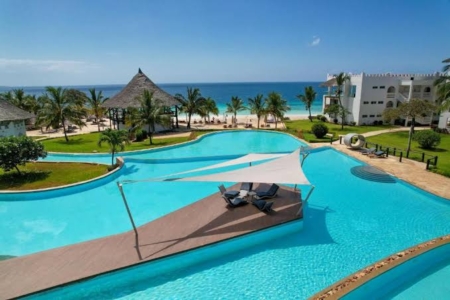
Millions of travelers visit Tanzania to experience its wildlife, beaches, mountains, and cultural attractions. The country is home to iconic destinations such as Mount Kilimanjaro, Serengeti National Park, and Zanzibar.
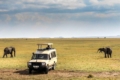
Safari tourism plays a particularly important role. Visitors spend money on accommodation, transportation, park fees, guides, restaurants, and local services. This spending supports thousands of jobs throughout the tourism value chain.
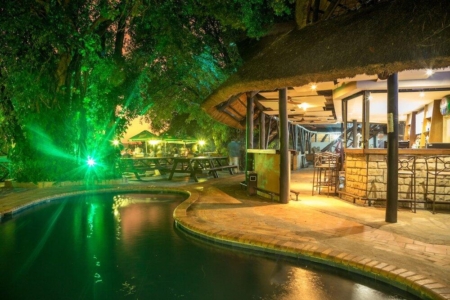
Luxury tourism has also expanded significantly. High-end lodges and exclusive safari experiences attract affluent international travelers who contribute substantial revenue to the economy.
Tourism benefits both urban and rural communities. In many regions, local residents earn income through guiding services, handicrafts, transportation, hospitality, and conservation-related employment.
The sector also encourages infrastructure development. Roads, airports, telecommunications networks, and utility services often improve as tourism grows.
Despite global challenges that occasionally affect travel demand, tourism remains one of Tanzania’s strongest economic assets. Its contribution demonstrates how natural beauty and conservation can generate wealth while supporting sustainable development.
Living Standards in Tanzania
Determining whether a country is rich or poor often involves examining living standards rather than simply measuring economic output. Living standards reflect the everyday experiences of citizens and provide important insights into development progress.
In Tanzania, living standards have generally improved over time. Access to education, healthcare, electricity, mobile technology, and financial services has expanded across many parts of the country. Urban areas have experienced particularly noticeable improvements.
However, significant differences remain between regions. Major cities often have better infrastructure and economic opportunities than rural communities. This creates variation in income levels and access to services.
Many Tanzanians continue to work in agriculture, often on small family farms. While agriculture provides livelihoods for millions of people, incomes can be vulnerable to weather conditions and market fluctuations.
Housing conditions also vary considerably. Modern residential developments exist alongside more traditional housing arrangements. Urbanization continues to reshape the country’s social and economic landscape.
Technology has played an important role in improving living standards. Mobile banking, internet access, and digital services have expanded rapidly, creating new opportunities for communication, commerce, and financial inclusion.
Although challenges remain, gradual improvements in living standards demonstrate the country’s ongoing development. These gains highlight progress while also emphasizing the need for continued investment and economic transformation.
Why Tanzania Is Often Considered a Developing Country
Tanzania is commonly described as a developing country because it continues to face several economic and social challenges. This classification does not mean the country lacks wealth or potential. Instead, it reflects current levels of income, infrastructure, industrialization, and social development.
One factor is average income per person. While the national economy has grown, incomes remain lower than those found in high-income countries. Many households still face financial constraints that limit access to certain goods and services.
Employment structure also plays a role. A large portion of the population works in agriculture rather than higher-productivity industries. Expanding manufacturing and technology sectors could increase incomes and support economic diversification.
Infrastructure development remains an ongoing priority. Although significant progress has been made, additional investment is needed in transportation, energy, water systems, and public services.
Education and healthcare systems continue to improve, but challenges related to quality, access, and funding remain important areas of focus.
Despite these challenges, the term developing country should not be viewed negatively. Many countries classified as developing have experienced rapid growth and substantial improvements in living standards. Tanzania is part of this broader development story.
The Future of Tanzania’s Wealth
The future outlook for Tanzania is generally positive. The country possesses several advantages that could support long-term economic growth and development.
Population growth creates both opportunities and challenges. A young population can provide a large workforce and stimulate consumer demand. At the same time, creating sufficient jobs and educational opportunities remains essential.
Infrastructure investments are transforming connectivity across the country. New roads, railways, ports, and energy projects can improve productivity and attract investment.
Tourism is expected to remain a major economic driver. Continued conservation efforts and improved tourism infrastructure may increase visitor numbers and revenue.
Natural gas development represents another significant opportunity. If managed effectively, energy resources could support industrial growth and government revenues.
Technology adoption is also accelerating. Digital innovation can improve efficiency, expand financial inclusion, and create new business opportunities.
Success will depend on effective policies, investment in human capital, and sustainable management of natural resources. If these factors align, Tanzania has strong potential to continue increasing national wealth and improving living standards.
Conclusion
So, is Tanzania a rich or poor country?
The most accurate answer is that Tanzania is a country with significant natural wealth and growing economic strength, but it still faces development challenges that affect many citizens. It is rich in wildlife, minerals, agricultural land, tourism attractions, natural gas, and cultural heritage. These resources provide a strong foundation for future prosperity.
At the same time, average incomes remain relatively low compared to developed nations. Many communities continue to face economic difficulties, and further investment is needed to improve infrastructure, education, healthcare, and employment opportunities.
Tanzania’s story is one of progress and potential. Economic growth, tourism expansion, infrastructure development, and natural resource management have created new opportunities across the country. While challenges remain, the overall direction has been positive.
Rather than viewing Tanzania as simply rich or poor, it is better to see it as a developing nation with substantial assets and considerable potential. The country has already achieved important milestones and continues to build toward a more prosperous future.
For visitors, investors, and observers, Tanzania offers a powerful example of how natural wealth, cultural richness, and economic development can combine to create opportunities for growth. The coming years will play an important role in determining how fully the country transforms its abundant resources into widespread prosperity for its people.
Related

 by
by 


Join The Discussion