
Tanzania Group Joining Safari: Where to Stay Before Your Safari
- September 29, 2026
- For Travelers
A Tanzania group joining safari is a shared safari where you travel with other people in the same safari vehicle instead of... Read More
 by Safari Lala
A Tanzania private safari gives you the freedom to experience some of Africa’s most remarkable wildlife areas at your own pace. Instead of sharing a safari vehicle with strangers and following a fixed schedule, a private safari allows you to travel with your own vehicle and professional guide. You can choose where to go, how long to stay at a wildlife sighting and what type of accommodation fits your travel style.
Tanzania is one of the world’s most famous safari destinations, home to Serengeti National Park, Ngorongoro Crater, Tarangire National Park, Lake Manyara National Park and several other outstanding wildlife areas. A private safari makes it possible to combine these destinations according to your interests, whether you want to see the Big Five, follow the Great Migration, photograph wildlife, enjoy a romantic honeymoon or introduce your family to Africa.
This guide explains everything you need to know about Tanzania private safari tours, including the best destinations, itineraries, costs, accommodation, the best time to visit, private safari vehicles, family and honeymoon safaris, safari options from Zanzibar and Arusha, and how to choose the right safari for your trip.
A private safari is a safari where the vehicle and guide are dedicated to you and your travel companions rather than being shared with a group of unrelated travelers.
This gives you considerably more flexibility than a typical group safari.
For example, if you are watching a pride of lions and want to stay for another 30 minutes, you can discuss this with your guide. If you are particularly interested in elephants, birds, photography or predators, your guide can adapt the game drives around those interests.
Private does not necessarily mean luxury.
A private Tanzania safari can be designed around different budgets. You can choose affordable camps, comfortable mid-range lodges or luxury tented camps and lodges. The important difference is that the safari experience is organized specifically for your group.
The size of your group can also vary. A private safari might be for one traveler, a couple, a family or a group of friends.
For many travelers, the greatest advantage is simply having control over the experience.
The biggest reason travelers choose private safari tours in Tanzania is flexibility.
A group safari usually has to accommodate everyone’s preferences. A private safari does not have the same limitation.
If you wake up early and want to begin your game drive at sunrise, you can arrange that with your guide. If you prefer a slower morning and want to leave later, your itinerary can often be adjusted.
This flexibility is particularly valuable during wildlife sightings.
Wild animals do not follow a timetable. A leopard may suddenly appear, lions may begin hunting or elephants may move across the road. A private vehicle gives you more freedom to decide how long you want to observe what is happening.
Privacy is another advantage.
Couples can enjoy the experience without sharing the vehicle with strangers. Families can travel together without worrying about whether children are disturbing other guests. Photographers can spend more time positioning themselves for the best possible view.
Private safaris also make it easier to personalize the itinerary.
You might want three nights in Serengeti rather than moving between several parks. Another traveler might prefer a combination of Tarangire, Ngorongoro and Serengeti.
There is no universal answer.
The best private safari is the one designed around your priorities.
The main difference between private and group safaris is control.
On a private safari, your group normally has its own safari vehicle and guide. You can discuss the pace and priorities of the trip with your guide.
On a group safari, several travelers share the vehicle. The cost per person is generally lower, but the itinerary and daily schedule may be less flexible.
Group safaris can be an excellent choice for budget-conscious travelers and people who enjoy meeting other visitors.
Private safaris are particularly attractive to couples, families, photographers, honeymooners and travelers who have specific wildlife interests.
The decision should therefore depend on your budget and travel style.
If saving money is your highest priority, a group safari may make more sense.
If flexibility and privacy are more important, a private safari is usually worth the additional cost.
Tanzania has several major safari destinations, but the right combination depends on the length of your trip and the experience you want.
Serengeti is the centerpiece of many private Tanzania safari itineraries.
The park is famous for its vast grasslands, abundant wildlife and the Great Migration.
A private safari is particularly useful in Serengeti because the park is enormous. Your guide can choose areas to explore based on current wildlife activity and seasonal conditions.
Serengeti is an excellent destination for travelers interested in lions, cheetahs, leopards, elephants, giraffes, zebras, wildebeest and many other species.
It is also one of the best places to build a safari around the Great Migration.
However, the migration is constantly moving. The location of the herds depends on rainfall and seasonal conditions.
This is why an experienced guide and well-planned itinerary are important.
Ngorongoro Crater is one of the most spectacular wildlife destinations in Tanzania.
The crater is a huge volcanic caldera containing grasslands, woodland, wetlands and a concentration of wildlife.
A game drive inside the crater can provide opportunities to see lions, elephants, buffalo, hippos, hyenas and other species.
The crater is also one of the places in northern Tanzania where travelers have an opportunity to search for black rhinoceros.
A private safari can make the Ngorongoro experience more comfortable because you can combine the crater with other destinations according to your schedule.
Many travelers combine Serengeti and Ngorongoro because the two destinations provide very different landscapes and wildlife experiences.
Tarangire is famous for its elephants and enormous baobab trees.
The park has a distinctive landscape of open grasslands, woodland and seasonal waterways.
It is often included in private safari itineraries because it provides excellent wildlife viewing while adding a different environment to Serengeti and Ngorongoro.
Tarangire can also be convenient for shorter safaris because of its location in the northern safari circuit.
A private safari allows you to spend more or less time in the park depending on your interests.
Lake Manyara is another northern Tanzania destination that can be included in private safari itineraries.
The park has diverse habitats, including forest, grassland and the lake itself.
Birdwatching is particularly interesting here, but visitors may also see elephants, giraffes, buffalo, zebras, baboons and other wildlife.
For a five-day safari, Lake Manyara can be combined with Tarangire and Ngorongoro.
However, travelers who have never visited Tanzania and strongly want to see Serengeti may prefer to allocate more time to Serengeti instead.
Nyerere National Park offers a different experience from the northern safari circuit.
The Rufiji River and surrounding wetlands create opportunities for boat safaris as well as traditional game drives.
This makes Nyerere particularly interesting for travelers who want a combination of land and water-based wildlife experiences.
It can also work well for travelers combining a safari with Zanzibar.
Instead of traveling long distances by road, visitors can use flights between the coast and safari destinations.
Ruaha is one of Tanzania’s more remote safari destinations.
The park is known for large landscapes, elephants and strong predator populations.
It offers a quieter safari atmosphere compared with some of Tanzania’s more heavily visited northern destinations.
For experienced safari travelers, Ruaha can be an excellent choice.
However, because of its location, it is usually better suited to itineraries with more time or travelers who are willing to use domestic flights.
There is no single perfect itinerary.
Your itinerary should depend on how many days you have and what you want to experience.
A three-day safari is short but can still provide excellent wildlife viewing.
A practical route is Tarangire, Ngorongoro and another nearby destination.
Another option is to focus on Serengeti if maximizing wildlife viewing is more important than visiting several parks.
With only three days, it is particularly important to avoid unnecessary driving.
Flying can sometimes make sense for travelers with a higher budget.
Four days provides more flexibility.
A possible route is:
Day one can focus on Tarangire.
Day two can travel toward Serengeti.
Day three can be a full Serengeti game-drive day.
Day four can include Ngorongoro before returning toward Arusha.
This itinerary gives travelers a taste of several major northern destinations.
Five days is one of the best lengths for a first private Tanzania safari.
A classic route is Tarangire, Serengeti and Ngorongoro.
Day one can be spent in Tarangire.
Day two can take you toward Serengeti.
Day three can be a full day in Serengeti.
Day four can take you toward Ngorongoro.
Day five can focus on Ngorongoro Crater before returning to Arusha.
This itinerary offers variety without requiring an extremely long holiday.
Seven days gives you significantly more flexibility.
You can spend two or three nights in Serengeti without sacrificing other destinations.
A possible route could include Tarangire, Serengeti and Ngorongoro.
The extra time makes the trip less rushed.
It also provides more opportunities for wildlife viewing.
Ten days allows travelers to explore the northern circuit more deeply.
You could combine Tarangire, Lake Manyara, Ngorongoro, Serengeti and another destination.
Alternatively, you could spend more time in Serengeti and add a cultural or walking experience.
Longer itineraries are especially useful for photographers and travelers interested in the Great Migration.
Two weeks allows you to explore beyond the classic northern circuit.
A longer trip could combine northern Tanzania with Nyerere or Ruaha.
You could also finish with several days in Zanzibar.
A two-week itinerary is particularly suitable for travelers who want to experience wildlife, culture, landscapes and beaches in one holiday.
The cost of a private Tanzania safari depends on several factors.
There is no universal price because every safari is different.
Accommodation is one of the biggest factors.
Budget accommodation can significantly reduce the overall cost, while luxury lodges and premium tented camps can make the safari considerably more expensive.
The number of travelers also matters.
The cost of a private vehicle and guide is shared among the people in your group. A couple therefore usually pays more per person than a family or group of friends traveling together.
Park fees also contribute significantly to the price.
Transportation is another important factor.
A safari using a 4×4 vehicle is different from an itinerary that includes several internal flights.
The season can also influence accommodation prices.
Peak travel periods are often more expensive than quieter periods.
When comparing quotes, do not simply choose the cheapest option.
Look at the complete package.
Check accommodation, park fees, meals, transportation, guide services, airport transfers and other inclusions.
A quote that appears cheap may exclude expenses that another operator has already included.
A private safari does not automatically mean an expensive luxury safari.
Budget-conscious travelers can choose simpler accommodation while still having a private vehicle and guide.
This can provide many of the advantages of a private safari without the cost of premium accommodation.
The biggest savings usually come from accommodation and the number of travelers sharing the vehicle.
Traveling as a small group of friends can therefore make a private safari more affordable per person.
Mid-range safaris are popular because they balance comfort and cost.
Accommodation generally provides comfortable rooms or tents, private bathrooms, meals and additional facilities such as swimming pools at some properties.
For many travelers, mid-range accommodation offers the best value.
You still get a private safari vehicle and guide while avoiding the highest luxury accommodation prices.
Luxury private safaris focus on premium accommodation, personalized service and comfort.
Travelers may stay in high-end lodges or luxury tented camps.
Some luxury itineraries also use domestic flights to reduce long road transfers.
Private dining, sundowners, spa treatments and other special experiences may also be available depending on the property.
Luxury is not only about the room.
It is also about reducing travel stress and creating a highly personalized experience.
A typical private safari package may include your safari vehicle, professional guide, accommodation, meals and national park fees.
Many operators also include drinking water during game drives.
Airport transfers may be included depending on the package.
The exact inclusions should always be confirmed before booking.
Some activities and services may cost extra.
These could include alcoholic drinks, laundry, tips, visas, travel insurance, flights or optional cultural experiences.
A professional safari quotation should clearly explain these details.
Accommodation can be one of the most memorable parts of a safari.
Tanzania offers hotels, safari lodges, permanent tented camps and mobile camps.
A lodge usually provides permanent rooms or cottages and often has restaurants and leisure facilities.
Tented camps provide a closer connection to the natural environment.
Modern safari tents can be extremely comfortable, often with private bathrooms and proper beds.
Mobile camps are designed to move according to seasonal wildlife patterns.
The best accommodation depends on your budget and itinerary.
Location is particularly important.
A lodge located closer to the wildlife areas you want to explore may reduce driving time.
A cheaper property farther away may save money but increase daily travel.
Staying inside a national park or close to its boundary can make a significant difference to the safari experience.
You may be able to begin your game drive earlier and spend more time in wildlife areas.
Accommodation outside the park can sometimes be cheaper.
There is no universally correct choice.
If your budget is limited, staying outside may be perfectly reasonable.
If maximizing game-drive time is your priority, accommodation closer to the wildlife areas may be worth the additional cost.
Tanzania can be visited throughout the year.
Different seasons offer different advantages.
The dry season is popular for general wildlife viewing because vegetation can be thinner and animals may gather around water sources.
The green season can provide lush landscapes and excellent photography conditions.
Birdwatching can also be particularly rewarding during wetter periods.
The best time for the Great Migration depends on where the herds are expected to be.
The calving season occurs early in the year in the southern Serengeti ecosystem.
Later in the year, the herds move toward northern areas.
River crossings are highly unpredictable.
No responsible safari operator should promise that you will see a river crossing on a particular day.
A private safari can be particularly valuable during the Great Migration.
The migration attracts large numbers of travelers, especially in areas where wildlife concentrations are high.
Having your own vehicle gives you more flexibility when searching for wildlife.
Your guide can monitor conditions and choose areas where sightings may be more promising.
However, the migration is a natural event.
The animals move according to environmental conditions.
This means your itinerary should have some flexibility.
Do not book a safari based on the assumption that the wildebeest will be in exactly the same location on a specific date every year.
Private safaris are often an excellent option for families.
Parents have more control over the daily schedule.
If children become tired, the family can discuss returning to camp.
A private vehicle also means children can ask questions without worrying about disturbing strangers.
Accommodation should be selected carefully.
Look for family rooms or interconnected rooms where available.
Swimming pools can also provide entertainment during downtime.
Parents should check whether particular activities have minimum age requirements.
Not every safari experience is suitable for very young children.
Private safaris are particularly popular with couples.
The privacy of having your own vehicle creates a more intimate experience.
Couples can choose romantic accommodation and build the itinerary around experiences they both enjoy.
Some lodges offer private dinners, sundowners and special celebrations.
A private safari can also be combined with Zanzibar.
The safari provides adventure and wildlife.
Zanzibar provides beaches and relaxation.
Together, they can create a memorable honeymoon or anniversary trip.
A Tanzania honeymoon safari can combine wildlife with luxury and romance.
Many couples choose Serengeti and Ngorongoro as the foundation of the safari.
Luxury tented camps can provide privacy while keeping travelers close to nature.
The itinerary should not be too rushed.
A honeymoon is not the time to spend every day driving long distances.
Choose fewer destinations and allow time to enjoy your accommodation.
After the safari, many couples continue to Zanzibar.
Wildlife photographers can benefit enormously from a private safari.
You have greater control over how long you stay at a sighting.
You can also discuss photography priorities with your guide.
Some travelers may want to spend more time with predators.
Others may focus on birds, elephants or landscapes.
Vehicle positioning can also matter.
A private safari gives the photographer more flexibility than a shared vehicle.
However, photographers should remember that wildlife welfare comes first.
A good guide will prioritize responsible viewing rather than chasing animals for photographs.
Arusha is one of the main gateways to Tanzania’s northern safari circuit.
Many private safari tours begin in Arusha.
Travelers arriving through Kilimanjaro International Airport often transfer to Arusha before beginning their safari.
Staying overnight in Arusha can be useful after a long international flight.
It gives you time to rest and prepare.
Your safari company can then collect you from your hotel.
Some travelers prefer to begin their safari directly after arriving, particularly when their flight schedule allows it.
A private safari can also be combined with a Zanzibar holiday.
Travelers can fly from Zanzibar to mainland Tanzania and connect with their safari.
This is much more efficient than trying to travel between Zanzibar and northern Tanzania by road.
The exact route depends on your chosen safari destination.
Nyerere National Park can be particularly convenient for travelers combining a coastal holiday with a safari.
Northern Tanzania can also be reached by domestic flights.
The important thing is to allow enough connection time between flights and safari departures.
There is no fixed schedule on a private safari.
That is one of its biggest advantages.
A typical day may begin before sunrise.
You leave camp with your guide and start looking for wildlife as the landscape becomes active.
Morning game drives can be particularly rewarding because many animals are active during the cooler hours.
You may return to camp for lunch and rest.
In the afternoon, you go out again.
Some travelers choose a full-day game drive with a packed lunch.
Others prefer returning to camp during the middle of the day.
The choice can be discussed with your guide.
Your vehicle is an important part of the safari experience.
Most private Tanzania safaris use 4×4 vehicles designed for wildlife viewing.
A good vehicle should be comfortable, reliable and well maintained.
Large windows and a pop-up roof provide opportunities for viewing and photography.
Your guide is equally important.
A knowledgeable guide understands animal behavior and knows the roads and landscapes.
They can help you identify wildlife and explain what you are seeing.
When booking a safari, do not focus only on the accommodation.
The vehicle and guide can have a major impact on the quality of the trip.
Choosing the right safari company requires research.
Start by looking at the itinerary.
Does it make sense geographically?
Are you spending too much time driving?
Are there enough nights in Serengeti?
Is the accommodation appropriate for your budget?
Then look at what is included.
A professional operator should provide a clear quotation.
Ask about park fees.
Ask about the safari vehicle.
Ask how many people will be in the vehicle.
Ask about the guide.
Ask about accommodation.
Ask about cancellation conditions.
You should also look for independent reviews and recent traveler experiences.
Avoid choosing an operator based solely on the lowest price.
Before paying a deposit, make sure you understand exactly what you are purchasing.
Ask whether the safari is completely private.
Ask whether the vehicle is dedicated to your group.
Ask whether the guide is dedicated to your group.
Ask what type of vehicle will be used.
Ask whether park fees are included.
Ask whether accommodation is inside or outside the parks.
Ask whether airport transfers are included.
Ask whether drinking water is provided.
Ask about the cancellation policy.
Ask what happens if your flight is delayed.
Clear communication before the trip can prevent problems later.
Packing for a private safari is relatively simple.
Lightweight clothing is useful during the day.
A warm jacket or sweater can be important during early morning game drives, especially around Ngorongoro.
Comfortable walking shoes are useful around lodges and camps.
Sun protection is essential.
Bring a hat, sunglasses and sunscreen.
Insect repellent can also be useful.
A camera or smartphone will help you capture memories.
If you use professional camera equipment, bring spare batteries and memory cards.
Power availability can vary at remote camps, so check with your accommodation before traveling.
Comfort should be your priority.
Lightweight trousers and shirts work well during the day.
Long sleeves can provide protection from the sun and insects.
Mornings can be cold, so layers are useful.
Neutral colors are commonly recommended.
You do not need an expensive safari wardrobe.
Comfortable clothing that can handle dust and changing temperatures is more important.
Wildlife should always be treated with respect.
Never approach animals.
Never attempt to feed wildlife.
Never leave your vehicle unless your guide tells you it is safe.
At camps and lodges, follow staff instructions.
Some properties are located in areas where wild animals move freely.
You may be required to have an escort when walking after dark.
Listen carefully to your guide.
Their instructions are designed to protect you and the wildlife.
Responsible tourism is an important part of protecting Tanzania’s wildlife.
Choose safari companies that respect park regulations.
Avoid operators that encourage drivers to approach animals too closely.
Wildlife viewing should not be about getting the closest possible photograph.
It should be about observing animals without causing unnecessary disturbance.
Supporting locally owned businesses and community initiatives can also help ensure tourism benefits people living around protected areas.
Conservation depends not only on governments and rangers but also on communities and responsible travelers.
One of the biggest advantages of choosing Tanzania is that a safari can be combined with a beach holiday.
After exploring Serengeti and Ngorongoro, you can fly to Zanzibar.
Zanzibar offers a completely different atmosphere.
You can spend your days swimming, snorkeling, diving, exploring Stone Town or relaxing on the beach.
A safari followed by Zanzibar is particularly popular with honeymooners.
The combination allows you to experience both Tanzania’s wildlife and Indian Ocean coastline during one holiday.
A private safari already gives you more flexibility, but several choices can make it even better.
Spend more nights in fewer destinations.
Choose accommodation based on location rather than appearance alone.
Tell your guide what animals you are most interested in seeing.
Do not rush wildlife sightings.
Consider a private vehicle for the entire trip.
If photography is important, mention it before booking.
If you are celebrating a honeymoon, birthday or anniversary, tell the lodge and safari company in advance.
Small details can make the trip more personal.
The first mistake is focusing entirely on price.
Two safari companies can offer similar-looking itineraries at very different prices because of differences in accommodation, vehicle quality, park fees and service.
The second mistake is trying to visit too many parks.
More destinations do not automatically mean a better safari.
The third mistake is choosing accommodation without checking its location.
The fourth mistake is expecting guaranteed sightings.
No ethical safari company can guarantee that you will see a leopard, rhino or river crossing.
The fifth mistake is not checking what the price includes.
Always request a detailed quotation.
For many travelers, yes.
The additional cost provides flexibility, privacy and control.
You can decide how you want to spend your safari days rather than adapting to a large group’s preferences.
This can be particularly valuable when the trip is a once-in-a-lifetime experience.
A private safari is also easier to customize.
You can select accommodation according to your budget.
You can spend more time in the destinations that interest you.
You can build an itinerary around the Great Migration, photography, family travel or a honeymoon.
Whether it is worth the extra cost depends on your budget.
If the difference between a group and private safari is manageable, many travelers find the additional flexibility worthwhile.
A private safari is a safari where your group has its own safari vehicle and guide rather than sharing with unrelated travelers. The itinerary can usually be customized around your interests and schedule.
The price depends on the number of travelers, accommodation level, safari duration, park fees, season, transportation and itinerary. Budget, mid-range and luxury private safaris can have very different prices.
For travelers who value flexibility and privacy, a private safari can be worth the additional cost. It is particularly useful for couples, families, photographers and travelers with specific interests.
The best safari depends on what you want to see. Serengeti and Ngorongoro are excellent for first-time visitors, while Tarangire provides excellent elephant viewing and Nyerere offers a different river-based safari experience.
Five to seven days is a good starting point for a northern Tanzania private safari. Longer trips allow you to explore more destinations at a slower pace.
Yes. Private safaris are generally designed to provide greater flexibility. You can often choose destinations, accommodation, safari duration and additional experiences.
Yes. Families often benefit from having their own vehicle because the schedule can be adjusted around children.
Yes. Domestic flights can connect Zanzibar with mainland Tanzania safari destinations. This makes it possible to combine a beach holiday with a private safari.
The best month depends on your goals. Dry-season periods are popular for general wildlife viewing, while migration-focused travelers should choose their dates according to the seasonal movement of the herds.
You can have opportunities to see all of the Big Five, but sightings are never guaranteed. Wildlife is unpredictable.
Yes. A private safari can be planned around the seasonal movement of the Great Migration. However, the exact location of the animals changes according to rainfall and environmental conditions.
A private safari gives your group its own vehicle and guide, providing more flexibility. A group safari shares the vehicle with other travelers and is generally less expensive.
With a private safari, you can usually choose from accommodation options that match your budget and itinerary. Your safari company can recommend properties based on location and availability.
No. Private safaris can be budget, mid-range or luxury. The main difference is having a dedicated vehicle and guide rather than sharing with strangers.
For many international travelers, staying one night in Arusha before the safari is convenient. It gives you time to rest after your flight and prepare for the journey.
Yes. Zanzibar is one of the most popular destinations to combine with a Tanzania safari. You can experience wildlife on the mainland and beaches on the Indian Ocean coast.
A Tanzania private safari offers one of the most flexible ways to experience the country’s extraordinary wildlife and landscapes. Instead of following a fixed group schedule, you can build an itinerary around your interests, whether that means spending more time in Serengeti, searching for black rhinos in Ngorongoro, watching elephants in Tarangire or following the Great Migration.
The greatest advantage is flexibility.
You can choose your accommodation, decide how many nights to spend in each destination and discuss the pace of your game drives with your guide. For families, couples, honeymooners and photographers, this flexibility can make a significant difference.
However, a private safari does not automatically mean a better safari. The quality of the itinerary, guide, vehicle, accommodation and safari company still matters.
Avoid trying to see everything in a short trip. Tanzania is too large for that approach. Instead, choose a few destinations that fit together geographically and give yourself enough time to enjoy them.
For a first visit, Serengeti, Ngorongoro and Tarangire provide an excellent combination. Travelers with more time can explore Nyerere, Ruaha and other destinations.
Whether you choose a budget private safari or a luxury experience, the goal should be the same: to create a journey that matches your interests, travel style and expectations.
A well-planned private safari is not simply a trip through Tanzania’s national parks. It is an opportunity to slow down, watch wildlife in its natural environment and experience one of Africa’s most remarkable landscapes on your own terms.

A Tanzania group joining safari is a shared safari where you travel with other people in the same safari vehicle instead of... Read More
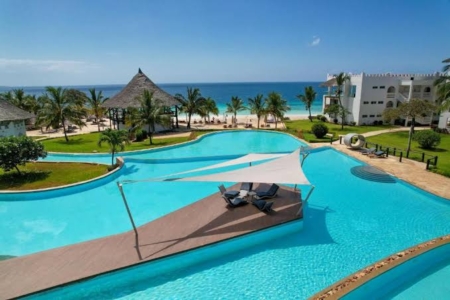
Zanzibar is more than a beach destination. The island is famous for its white-sand beaches and turquoise Indian Ocean, but there is... Read More
Paje is one of the most popular places to stay on Zanzibar’s southeast coast. The village is known for its wide white-sand... Read More
A Tanzania group joining safari is... Read More
Zanzibar is more than a beach... Read More
Paje is one of the most... Read More
Join The Discussion