
Affordable Luxury Beach Resorts in Zanzibar
- September 25, 2026
- Accomodations, For Travelers
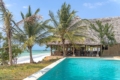
Zanzibar is famous for white-sand beaches, turquoise water, palm trees and beautiful beach resorts. It is also one of the easiest places... Read More
 by Safari Lala
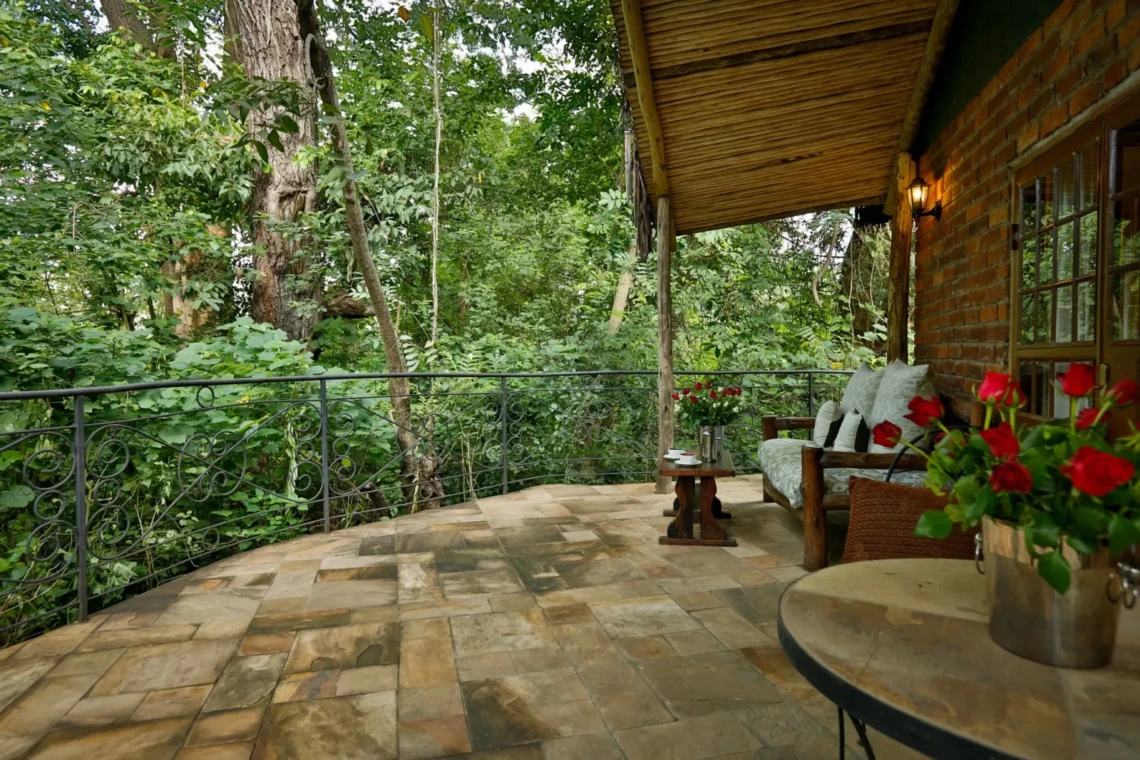
Tanzania is one of the best places in Africa for a safari. The country has vast national parks, beautiful landscapes and an incredible variety of wildlife. It is also home to some of the finest safari camps on the continent.
Choosing where to stay is an important part of planning a Tanzania safari. Your camp is more than somewhere to sleep after a game drive. It can become part of the safari itself.
You may wake up to the sound of birds outside your tent. You may sit around a campfire in the evening while your guide talks about the animals you saw during the day. In some camps, you can look across the plains from your private veranda and watch wildlife moving in the distance.
The best safari camps in Tanzania are found in some of the country’s most famous wildlife areas. The Serengeti has camps close to the Great Migration. Ngorongoro has properties overlooking one of Africa’s most remarkable landscapes. Tarangire offers a quieter experience surrounded by elephants and baobab trees.
Further south, Ruaha and Nyerere National Parks provide a more remote safari experience. These areas are ideal for travellers who want to escape the busier routes and experience Tanzania at a slower pace.
There is no single camp that is best for everyone. The right choice depends on where you want to go, when you are travelling and what kind of safari you want.
A great safari camp is not simply a beautiful place to stay.
Location is one of the most important factors. A camp that is close to good wildlife areas can give you more time on safari and less time travelling between your accommodation and the park.
This becomes particularly important in large parks such as the Serengeti. The park covers an enormous area, and wildlife movements change throughout the year. Staying in the right part of the park can completely change your experience.
The atmosphere also matters.
Some travellers want a luxurious camp with spacious tents, excellent food and private outdoor areas. Others prefer something more traditional, where the emphasis is on being close to nature.
The best camps combine both.
They give you comfort without taking away the feeling that you are in the middle of the wilderness.
When most people imagine a Tanzania safari, they picture the Serengeti.
The endless grasslands. The large herds of wildebeest. Lions resting under trees. Cheetahs watching the plains. Elephants moving across the horizon.
The Serengeti is also where you will find some of Tanzania’s most famous safari camps.
The important thing to understand is that the Serengeti is not one small safari area. It is huge. Different parts of the park offer different experiences, and the best place to stay can depend heavily on the season.
Central Serengeti is a popular choice for travellers who want good wildlife viewing throughout much of the year. The area has a strong concentration of resident wildlife and offers a convenient base for exploring the surrounding plains.
Northern Serengeti is particularly attractive during the months when the Great Migration moves north. The landscape becomes an important area for travellers hoping to witness the dramatic river crossings.
Southern Serengeti and the Ndutu area have a different appeal. During the calving season, thousands of young wildebeest are born across the plains, attracting predators and creating some of the most dramatic wildlife viewing of the year.
This is why choosing a Serengeti camp should always start with your travel dates.
Northern Serengeti is one of the most spectacular areas of the park.
The landscape feels remote. The crowds can be lighter than in some of the central areas, and the region becomes especially exciting during the Great Migration.
Sayari Camp is one of the well-known properties in this part of Tanzania.
Its location makes it particularly attractive to travellers planning a northern Serengeti safari. During the migration season, the area can provide access to some of the places where the herds gather.
But the appeal of northern Serengeti goes beyond the migration.
Resident wildlife remains in the area throughout the year. Lions, leopards, elephants and other species can still be seen when the migrating herds have moved elsewhere.
This makes the northern Serengeti an excellent choice for travellers who want a combination of scenery, wildlife and a more remote atmosphere.
The northern Serengeti is also home to Lamai Serengeti.
The camp sits in an area known for its dramatic scenery and proximity to the Mara River region. It is a popular choice for travellers who want to experience the northern part of the park while staying in an intimate camp.
The surrounding landscape is particularly beautiful.
Rocky outcrops rise above the grasslands, while wildlife moves through the valleys and plains.
During the migration season, the location becomes even more important. The herds can move through the region as they continue their annual journey.
For travellers interested in the Great Migration, this is one of the areas worth considering when choosing accommodation.
One of the most interesting ways to experience Tanzania is by staying in a mobile safari camp.
Unlike a permanent camp, a mobile camp can move during the year.
This allows the accommodation to follow the movement of the wildlife.
The idea is simple. Rather than choosing a camp and hoping the migration comes close, the camp is positioned in areas where the animals are expected to be.
This can create a very different safari experience.
The camps are usually smaller and more intimate. The atmosphere is often closer to the traditional style of African safari, with canvas tents, campfire evenings and open wilderness surrounding the accommodation.
Mobile camps are particularly appealing to travellers whose main goal is to experience the Great Migration.
However, the migration does not follow an exact calendar every year. Rainfall and grazing conditions influence where the animals move.
For that reason, experienced safari planners look at current migration patterns when deciding where a mobile camp should be located.
The Serengeti is about open plains and moving herds.
Ngorongoro is different.
The landscape changes dramatically as you approach the crater. The highlands rise around you, and the road eventually reaches the crater rim.
From above, the view is extraordinary.
Far below is the crater floor, surrounded by steep walls. Within this natural enclosure, large numbers of animals live throughout the year.
Staying around Ngorongoro allows you to combine wildlife with the unique atmosphere of the highlands.
It can also make your safari more comfortable.
An early start is important when visiting the crater. Staying nearby means you can reach the crater entrance without spending hours travelling from Arusha.
For travellers looking for a high-end experience, Ngorongoro Crater Lodge is one of the most distinctive properties in Tanzania.
Its position on the crater rim creates spectacular views across the landscape.
The experience is very different from staying in a conventional city hotel.
The surrounding environment is part of the attraction.
You can enjoy the comfort of the lodge while looking across one of Africa’s most famous natural landscapes.
It is particularly popular with honeymooners and travellers celebrating special occasions.
The location also works well for travellers who want to explore the Ngorongoro Crater before continuing towards Serengeti.
The Highlands offers another approach to accommodation around Ngorongoro.
Its distinctive design blends into the surrounding highland landscape.
The atmosphere is quiet and intimate.
It is a good choice for travellers who want something different from a traditional lodge or classic tented camp.
The location also works well as part of a Northern Circuit safari.
After exploring Tarangire or Lake Manyara, travellers can continue towards Ngorongoro before heading into Serengeti.
This creates a natural progression through several of Tanzania’s most famous landscapes.
Gibb’s Farm offers a different kind of stay near the Ngorongoro area.
The property has strong connections to farming and the surrounding community. Its gardens and agricultural setting create a peaceful contrast to the wildlife-focused atmosphere of the national parks.
It works particularly well for travellers who want to slow down between game drives.
A Tanzania safari does not have to be game drives from morning until evening.
Some of the most memorable moments can happen when you are simply enjoying the landscape around your accommodation.
Tarangire is often included in shorter Tanzania safari itineraries.
The park is relatively accessible from Arusha, making it a practical choice for travellers who only have a few days.
But convenience is not the only reason to visit.
Tarangire has a character of its own.
Large baobab trees dominate parts of the landscape. Elephants are one of the park’s biggest attractions, and large herds can often be seen moving through the vegetation.
The park also supports giraffes, zebras, buffalo, wildebeest, antelopes and predators.
Because of this combination, staying near Tarangire can be an excellent choice for travellers who want a quieter safari without travelling as far as the Serengeti.
Oliver’s Camp is located inside Tarangire National Park.
Its setting allows guests to experience the park from within the wilderness rather than staying far outside the main wildlife area.
The experience is focused on traditional safari.
Days are spent exploring the park with experienced guides, while evenings return to the camp and the sounds of the African bush.
This style of accommodation appeals to travellers who want their safari to feel personal and connected to nature.
It is less about a large resort atmosphere and more about the environment around you.
Tarangire also has accommodation that offers something more unusual.
Tarangire Treetops combines the feeling of being in the wilderness with elevated accommodation surrounded by trees.
The experience is different from staying in a traditional hotel room.
Instead, the natural surroundings become part of the stay.
For travellers who want their accommodation to be memorable in its own right, this type of property can add another dimension to a Tanzania safari.
If you want to get away from the busiest safari routes, Ruaha National Park deserves serious consideration.
Ruaha is vast.
It feels wild and remote.
The park is known for its elephants, lions, wild dogs and diverse landscapes. Its baobab-covered plains and rocky areas create a very different setting from the Serengeti.
The safari experience here tends to be quieter.
You may spend long periods without seeing another vehicle.
That sense of space is one of Ruaha’s greatest attractions.
Safari camps in Ruaha are often smaller and focused on the wilderness experience.
For travellers who have already visited the Serengeti and want to discover another side of Tanzania, Ruaha can be an excellent choice.
Nyerere National Park provides another unique safari experience.
It is one of Tanzania’s largest protected areas and is famous for the Rufiji River and its waterways.
This means your safari does not have to take place entirely from a vehicle.
Boat safaris allow you to explore the river and observe hippos, crocodiles and birds from the water.
Walking experiences can also add a different perspective when available through your chosen camp or safari operator.
The accommodation in Nyerere is often designed around this sense of wilderness.
It is a good destination for travellers who want a slower and more varied safari.
Luxury in Tanzania does not always mean a large building or a traditional hotel.
Some of the country’s most luxurious accommodation comes in the form of tented camps.
The tents can be surprisingly spacious.
They may have comfortable beds, private bathrooms, hot showers and large outdoor areas.
Some camps also offer private plunge pools.
What makes them special is the combination of comfort and location.
You can enjoy a high level of service while still feeling surrounded by nature.
For honeymooners and couples, this can make Tanzania particularly memorable.
A private dinner in the bush can feel very different from dinner in a restaurant.
So can waking up to the sounds of wildlife outside your tent.
The Great Migration is one of Tanzania’s biggest attractions.
But choosing accommodation for it requires careful planning.
The animals move throughout the year.
In the early months, the southern Serengeti and Ndutu areas can become important for the calving season.
As the year progresses, the herds gradually move north.
By the middle and later parts of the year, northern Serengeti becomes increasingly important.
This is when travellers start looking closely at camps near the Mara River.
The famous river crossings can be spectacular.
They can also be unpredictable.
The animals do not cross simply because a calendar says they should.
They respond to weather, water and grazing conditions.
For this reason, the best safari camp for the Great Migration is the camp that is positioned in the right area for your specific travel dates.
Tanzania is a wonderful destination for couples.
The combination of wildlife, beautiful landscapes and intimate camps creates a natural setting for a romantic holiday.
A private tent overlooking the Serengeti can feel far removed from everyday life.
Evenings around a campfire can become part of the experience.
Some camps also offer private dining and special experiences for honeymooners.
The Serengeti and Ngorongoro are particularly popular because they can easily be combined into one itinerary.
Couples can spend several nights exploring the wildlife of Serengeti before continuing towards Ngorongoro.
They can then finish their trip on Zanzibar’s beaches.
Families need to think about accommodation differently.
The most beautiful camp is not necessarily the most suitable.
Location and travel time are important.
Long journeys between parks can become tiring for younger children.
A private safari vehicle can make the experience easier because the family has greater control over the day’s schedule.
Some camps also offer family accommodation and activities designed for younger travellers.
It is worth checking age restrictions before booking.
Families should also consider whether the camp has a swimming pool, suitable meal options and enough space for children to relax between game drives.
Many travellers use the words camp and lodge interchangeably.
There is a difference, although the line is not always clear.
A lodge usually has more permanent structures.
Rooms may be built from stone, wood or other solid materials.
A camp often uses canvas tents.
That does not mean the camp is basic.
Modern safari camps can be extremely comfortable.
The real difference is often the atmosphere.
A camp can feel closer to the wilderness.
You may hear animals moving through the area at night.
You may wake up with birds calling around your tent.
For many travellers, this is exactly what makes a safari special.
Safari accommodation prices vary considerably.
A simple tented camp can be much more affordable than an exclusive luxury camp.
The location also makes a difference.
Camps inside the Serengeti can be more expensive because of their location and operating costs.
Peak season can increase prices further.
The Great Migration period is particularly popular, and the best-positioned camps can sell out well in advance.
Luxury camps can cost significantly more, especially when private activities and premium services are included.
When comparing prices, look beyond the nightly rate.
Some safari camps include meals, drinks, game drives and other services.
Others may price certain experiences separately.
The cheapest option is therefore not always the cheapest overall safari.
The best time depends on what you want to experience.
January and February are particularly interesting for travellers interested in the calving season.
The southern Serengeti can become filled with young wildebeest, attracting predators to the area.
The dry season from June to October is popular for general wildlife viewing.
Vegetation becomes less dense in many areas, and animals often gather around available water.
The northern Serengeti becomes particularly attractive during the migration period.
November and December bring the short rains.
The landscapes become green again, and many camps offer a quieter atmosphere than during the busiest months.
There is no universally perfect month.
There is only the best month for the experience you want.
Start with your safari route.
Do not choose accommodation before deciding where you want to spend your time.
If your main goal is the Great Migration, your camp should be located according to the expected movement of the herds.
If you are planning a short safari from Arusha, Tarangire and Ngorongoro may be more practical.
If you want a remote experience, consider Ruaha or Nyerere.
Your budget is the next consideration.
Tanzania has accommodation for different travel styles.
You can choose a simple tented camp, a comfortable mid-range property or an exclusive luxury camp.
Finally, think about the experience you want.
Some travellers want luxury.
Others want adventure.
Some want privacy.
Others prefer a social camp where they can meet other safari travellers.
There is no wrong choice.
The best camp is the one that matches your trip.
Timing can make a difference.
Popular camps can fill quickly during peak travel periods.
This is especially true for properties in prime Serengeti locations during the Great Migration.
Booking early gives you more choice.
It also makes it easier to build your itinerary around the accommodation you prefer.
For travellers who are flexible with dates, there can be more options during quieter periods.
Safari Lala makes it easier to discover accommodation across Tanzania.
Instead of choosing a camp based only on its photographs, travellers can consider the destination, location and type of experience they want.
This is particularly useful when combining several parks into one safari.
The best safari camps in Tanzania are not simply the ones with the most luxurious rooms.
They are the camps that put you in the right place at the right time.
A well-positioned Serengeti camp can turn a normal safari into an unforgettable experience.
A camp near Ngorongoro can give you an early start at the crater.
A property in Tarangire can put you close to elephants and enormous baobabs.
A remote camp in Ruaha can give you the feeling of having the wilderness almost entirely to yourself.
The best choice depends on your route, your travel dates and your budget.
Tanzania gives you the freedom to build a safari around the experience you want.
Whether you are planning a luxury honeymoon, a family adventure, a Great Migration safari or your first African safari, the right camp can become one of the most memorable parts of the journey.
Explore Tanzania with Safari Lala and find accommodation that fits the safari you want to experience.
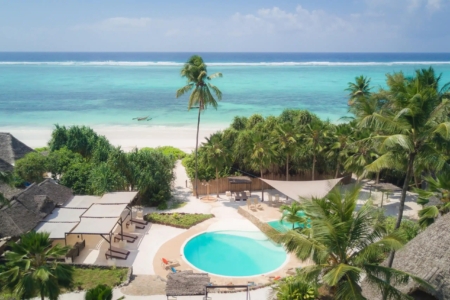
Zanzibar is famous for white-sand beaches, turquoise water, palm trees and beautiful beach resorts. It is also one of the easiest places... Read More

Finding an affordable hotel near Kilimanjaro International Airport can make your Tanzania trip much easier, especially if you arrive late at night,... Read More
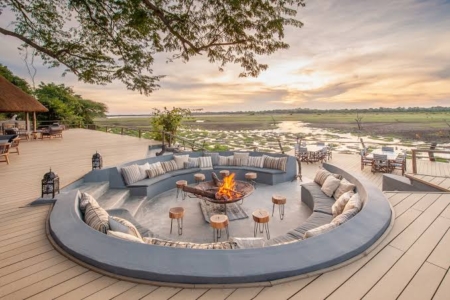
South Luangwa National Park is one of Zambia’s most exciting safari destinations. Located in eastern Zambia, the park is known for its... Read More
A Tanzania group joining safari is... Read More
Zanzibar is more than a beach... Read More
Paje is one of the most... Read More
Join The Discussion